
Deep Carpet Cleaning Services in Elizabeth, New Jersey
Every carpet has a story: seasons of foot traffic, the occasional spill that never fully vanished, and fine grit that hides where vacuums cannot reach. In Elizabeth, New Jersey—where winter roads, humid summers, and busy households converge—those stories accumulate faster than you might expect. Deep cleaning goes beyond routine passes to reset fibers, remove embedded soils, and restore comfortable texture underfoot. If your carpets look tired despite regular care, professional carpet cleaning services designed for deeper restoration can make a transformative difference. This guide explains what “deep” really means, when to schedule it, and how to keep the results going strong.
What Counts as Deep Cleaning?
Deep cleaning is a methodical process that targets soils and residues bonded to fibers and backing—not just what sits loosely at the surface. It pairs thorough dry soil removal with chemistry that loosens stubborn grime, then uses extraction or advanced low-moisture techniques to remove it safely. The goal is to restore color clarity, revive texture, and reduce odors while respecting fiber type and construction.
Why Deep Cleaning Matters
Soils behave like microscopic sandpaper. Left in place, they dull colors and fray yarn tips with every step. Oils and sticky residues hold onto dust and cause rapid re-soiling, making carpets look tired soon after casual cleaning. Deep cleaning interrupts this cycle by releasing bonded grime, rinsing away residues, and rebalancing pH so fibers feel soft rather than stiff. The result is a longer interval of freshness and a carpet that responds better to regular vacuuming.
Elizabeth, NJ Conditions That Drive the Need
Winter tracking introduces salts and fine grit that migrate from entry mats into hallways and living spaces. Spring brings pollen that settles deep in fibers, while summer humidity can lengthen dry times after accidental spills, encouraging off odors. Busy households, pets, and frequent visitors also contribute to traffic lanes and spot clusters where snacks, beverages, and daily life leave their mark. Deep cleaning counters these realities by flushing embedded soils that routine maintenance cannot fully address.
The Deep Cleaning Workflow
- Inspection and testing: Identify fiber type, construction, and color stability. Note problem spots and prior treatments that may affect chemistry choice.
- Dry soil extraction: Use high-performance vacuuming and edge tools to remove as much particulate as possible before wet steps.
- Preconditioning: Apply solutions calibrated for the soil profile and fiber. Allow measured dwell time so chemistry can act without overexposure.
- Agitation: Mechanical or hand tools distribute preconditioner and loosen bonded soils.
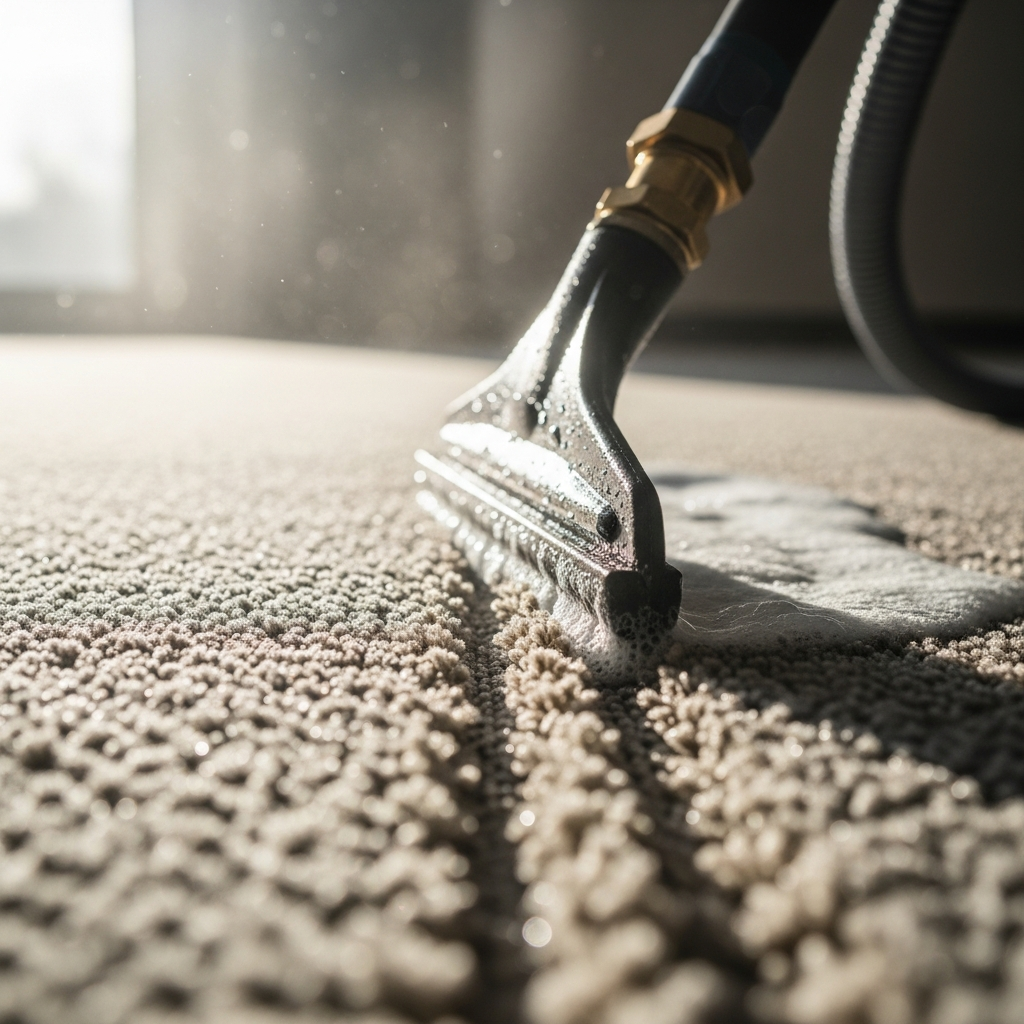
- Rinse and extraction: Hot water extraction lifts suspended soils with controlled temperature and vacuum power, or a low-moisture approach encapsulates grime for later removal.
- Targeted stain treatment: Post-clean spotting addresses any lingering discolorations with fiber-safe techniques.
- Neutralization and grooming: Balance pH, align the pile, and encourage even drying for a uniform finish.
- Air movement: Fans and ventilation support quick dry times and a fresh result.
Hot Water Extraction vs. Low-Moisture for Deep Work
Both methods can achieve “deep” results when properly planned. Hot water extraction is especially effective for heavy soil loads, pet areas, and kitchens where oils accumulate. Low-moisture encapsulation can reach impressive depth when combined with thorough agitation and appropriate chemistry, and it shines for faster turnaround needs. Many projects use a hybrid approach—extraction for the heaviest lanes and encapsulation for secondary rooms—to balance depth and efficiency.
Specialized Spotting Strategies
- Tannin and beverage stains: Target with solutions designed for organic discoloration, following dwell guidelines to avoid color distortion.
- Oily residues: Use degreasing preconditioners and controlled heat to loosen sticky soils before extraction.
- Protein-based accidents: Enzyme treatments break down residues that cause odor and staining, particularly in pet zones.
- Dye and ink issues: Apply reducer or oxidizer systems carefully after testing color stability to avoid unwanted fading.
Odor Neutralization, Not Masking
Deodorizers that simply add fragrance do little to resolve the root cause. Modern odor control targets the source—whether from pets, spills, or moisture—using enzyme or oxidizing systems. Proper application and dwell time are crucial to long-term freshness, and ventilation supports a crisp, neutral finish.
Protectants and Ongoing Resilience
After soils are removed, consider applying a fiber protectant to resist future staining and make routine vacuuming more effective. Protectants help slow absorption so spills blot up more easily, buying time to address mishaps before they can set. Follow technician guidance for post-application care to ensure the barrier remains effective.
Preparing Your Home for Deep Cleaning
Clear small items, secure pets, and identify areas of concern. If possible, pick up floor-level decor and discuss furniture movement during scheduling. Open interior doors and windows where practical, and use ceiling fans to aid airflow. These simple steps help the crew work efficiently and support even, rapid drying.
Signs You Need Deeper Care
- Traffic lanes remain even after routine cleaning.
- Noticeable odors persist in certain rooms or pet areas.
- Colors look flat or dingy despite regular vacuuming.
- Spots reappear a day or two after DIY efforts—an indicator of wicking from the backing.
- It has been a long interval since the last comprehensive cleaning.
Aftercare: Keeping Results Longer
Vacuum high-traffic paths multiple times weekly to remove abrasives. Place and maintain entry mats at primary doors. Blot spills promptly and avoid aggressive scrubbing, which can distort fibers. Rotate area rugs and shift furniture periodically to balance wear patterns. Follow the dry time guidance offered by your technician to keep fibers setting properly.
Working With a Deep Cleaning Specialist
Experience matters when soils are stubborn or fibers are delicate. Specialists test dyes, choose compatible chemistry, and adjust heat, agitation, and vacuum power to your home’s needs. They communicate clearly about drying expectations and provide aftercare tips so results last.
Frequently Asked Questions
Q: How often should deep cleaning be scheduled?
A: Intervals depend on traffic, pets, and lifestyle. Many homes benefit from at least annual deep work, with more active households scheduling it more frequently.
Q: Will deep cleaning damage my carpet?
A: When properly performed, deep methods protect carpets by removing abrasive soils and residues that cause wear. Trained technicians tailor steps to fiber type for safe, effective results.
Q: Can deep cleaning fix all stains and odors?
A: Many improve dramatically, especially when treated promptly. Some discolorations or long-standing contamination may require specialized or repeated treatments for best results.
Q: How long does drying take?
A: Dry times vary with method, humidity, and airflow. Good ventilation and grooming help speed the process.
Q: Is it safe for pets and kids?
A: Reputable providers use solutions suitable for residential environments and follow label guidance carefully. Share sensitivities so products can be selected accordingly.
Q: What can I do between deep cleanings?
A: Vacuum regularly, use entry mats, address spills quickly by blotting, and consider interim maintenance cleanings in high-traffic rooms.
Bring Your Carpets Back to Life
If dull colors, lingering odors, and stubborn lanes have become the norm, it is time for a comprehensive reset. Partner with a team that inspects carefully, cleans methodically, and shares clear aftercare guidance. Begin by exploring professional carpet cleaning services and book a convenient appointment. With deep, attentive care, your carpets can look vibrant, feel soft, and make your home a more welcoming place to be.