
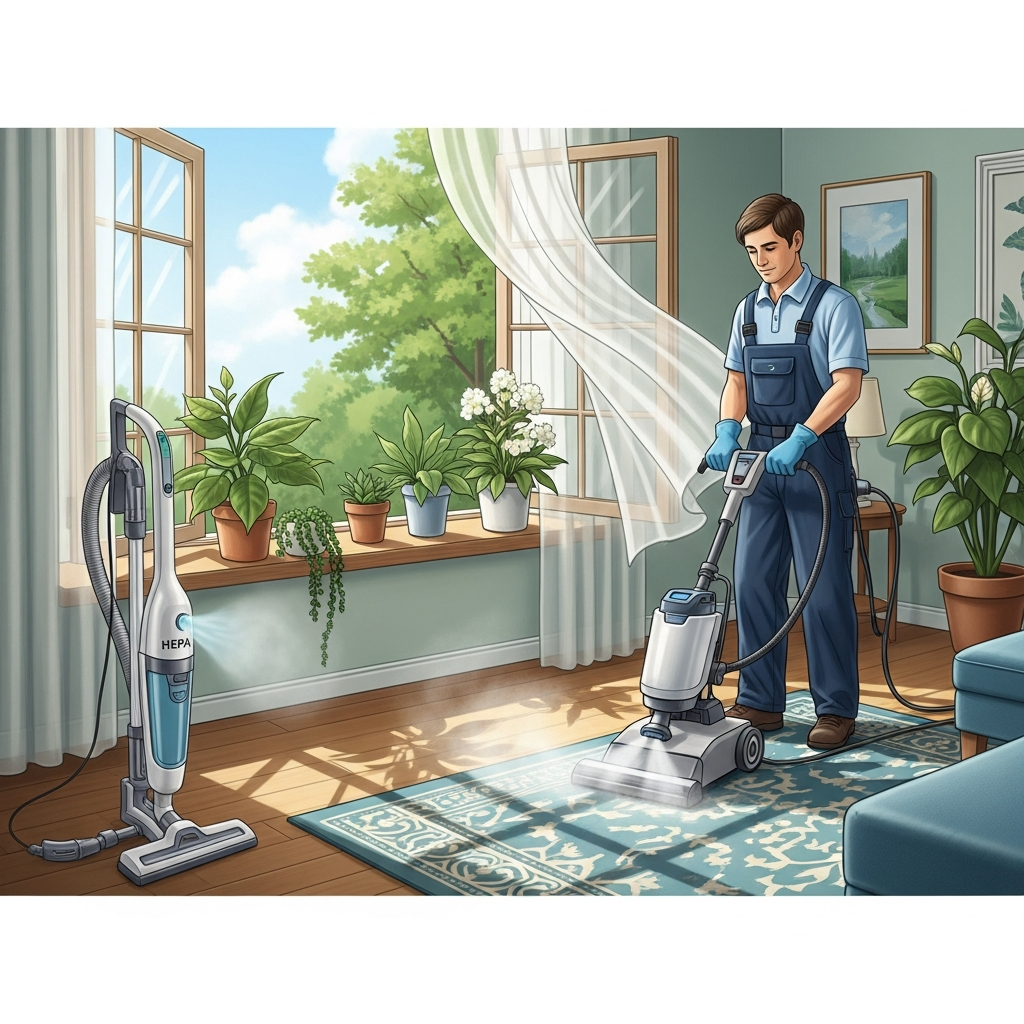
Eco-friendly carpet care is about more than swapping one bottle for another. It is a whole-system approach that protects indoor air quality, conserves resources, and leaves fewer residues behind—without compromising cleanliness or comfort. In Elizabeth, New Jersey, where four distinct seasons bring grit, pollen, salt, and humidity, a greener plan can still deliver the deep reset your carpets need while aligning with your household’s health priorities. This guide explores sustainable methods, chemistry, and everyday habits that keep floors fresh and fibers strong. If you are looking for a local partner who can apply greener solutions thoughtfully, consider reputable teams that provide comprehensive carpet cleaning services with an emphasis on safety, low residue, and smart drying.
What makes carpet care eco-friendly?
A greener approach balances four pillars: smart chemistry, efficient water use, strong particulate removal, and effective drying. When these pieces work together, you reduce unnecessary inputs while enhancing results. Instead of harsh detergents that leave sticky films, modern formulations focus on targeted action and clean rinsing. Instead of over-wetting, technicians use calibrated application and powerful extraction so moisture leaves with the soil it carries.
Smart chemistry explained
Eco-minded cleaning prioritizes solutions that are effective at modest concentrations, readily biodegradable, and matched to fiber type. Low-residue formulations help prevent rapid resoiling. For homes with sensitive occupants, fragrance-light or fragrance-free options support comfort. pH-balanced rinses neutralize pre-treatments and leave fibers feeling soft rather than slick.
Methods that support sustainability
- Hot water extraction done right: With modern equipment and measured passes, extraction provides deep soil and residue removal without unnecessary moisture. Paired with efficient air movement, it supports a healthier indoor environment.
- Low-moisture encapsulation: A maintenance strategy that crystallizes soil for later vacuuming, reducing downtime and resource use between deeper cleans.
- Dry compound options: In settings where water use must be minimized, quality compounds applied with proper agitation can lift certain soils effectively.
Why vacuuming is the greenest first step
Removing dry particulate soil before moisture is introduced is both sustainable and essential for results. Detailed vacuuming—especially along edges and in high-traffic lanes—means fewer chemicals and less water are needed to achieve a thorough clean. HEPA-filtered machines also capture fine particles that would otherwise circulate indoors.
Elizabeth-specific considerations
Winters in Elizabeth bring salt and slush that can leave alkaline residues; spring and fall add fine grit and pollen; summer humidity raises the stakes for drying. Eco-friendly providers adapt to these cycles with neutralizing rinses, strong extraction, and airflow planning that reduces the chance of musty odors while conserving energy.
Greener spot treatment at home
- Blot, do not scrub: Press with clean, absorbent towels to lift liquids without spreading fibers or set-in soils.
- Use fiber-appropriate solutions: Mild, pH-considered spotters reduce the risk of sticky residues.
- Rinse lightly and blot again: Small amounts of clean water, followed by more blotting, help remove leftover solution.
- Test in inconspicuous areas: Always verify colorfastness before broad application.
How pros design an eco-forward visit
- Conversation and inspection: Discuss sensitivities, fiber types, and goals for appearance, odor control, and indoor air quality.
- Dry soil removal: Thorough vacuuming reduces the chemistry and moisture needed later.
- Targeted pre-treatment: Solutions are applied where needed, in measured amounts, with appropriate dwell time.
- Agitation: Mechanical or manual action boosts effectiveness without heavy application.
- Rinse and extraction: A matching rinse neutralizes and removes residues with strong suction that limits leftover moisture.
- Grooming and airflow: Pile setting and strategic fans support even, timely drying.
- Aftercare guidance: Tips on vacuuming, spot response, and entryway mats extend results and reduce future inputs.
Materials and indoor air quality
Many homeowners choose eco-forward care to support family health. Reduced residues, minimal fragrances, and strong particulate removal contribute to a calmer indoor environment. Technicians may recommend filter checks for your vacuum and suggest entryway mat maintenance, both of which help capture contaminants before they settle in carpet fibers.
Balancing deep cleaning with maintenance
Think of sustainability as a cycle rather than a single appointment. Periodic deep cleaning resets the carpet, while low-moisture maintenance keeps appearances high between visits. This rhythm reduces the need for heavy applications and prevents the buildup that makes later work harder.
Midway insight: choosing the right partner
Eco-friendly results depend on thoughtful method selection and restraint—not just labels. Ask potential providers about their dry soil removal steps, residue-free rinses, and airflow strategy. In Elizabeth’s varied housing, a team accustomed to both historic homes and modern apartments will protect trim and thresholds, manage hose routes, and adapt drying plans to each space. Many homeowners find that a provider offering end-to-end carpet cleaning services delivers the best balance of deep results and gentle chemistry.
Common myths about green cleaning
- “Eco means weak.” Modern formulations are targeted and effective, especially when paired with proper agitation and dwell time.
- “You have to soak carpets to get them clean.” Over-wetting is counterproductive. With measured application and strong extraction, deep cleaning does not require saturating fibers.
- “All-natural products are always safe.” Even gentle solutions must match fiber type and be used correctly. Testing and training matter.
Everyday habits that make a big difference
- Entryway strategy: Keep mats clean and swap them seasonally to intercept grit, salt, and pollen.
- Vacuum cadence: Choose a schedule that reflects your home’s traffic and stick to it; clean filters maintain suction and capture fine particles.
- Furniture rotation: Small shifts in placement prevent permanent wear paths and keep the overall look more even.
- Spot timing: Address spills promptly with blotting and fiber-safe methods to prevent setting.
Protecting delicate fibers
Wool and certain blends appreciate moderation. Gentle chemistry, careful temperature control, and limited agitation protect natural scales and dyes. Eco-forward technicians test in out-of-the-way areas and adjust accordingly, ensuring a careful but effective clean.
Commercial and multi-unit benefits
Eco-friendly approaches pay dividends in offices, retail, and apartment common areas where indoor air quality and appearance matter daily. Low-moisture maintenance keeps spaces looking sharp with minimal downtime, while periodic deep cleaning refreshes color and feel. Coordinated scheduling and protective measures reduce disruption in busy buildings.
Frequently Asked Questions
Q: Can eco-friendly methods really clean as well as traditional ones? A: Yes. When technicians combine targeted chemistry with thorough dry soil removal, proper agitation, and strong extraction, results are impressive—often with less residue.
Q: Will greener products leave a scent? A: Many options are fragrance-light or fragrance-free. If sensitivities are a concern, request unscented solutions and discuss ventilation during drying.
Q: How do eco-friendly approaches help with allergies? A: HEPA-level dry vacuuming and deep extraction remove fine particles that aggravate symptoms. Reduced residues also limit the sticky films that catch new dust.
Q: Is low-moisture cleaning enough by itself? A: It is excellent for maintenance but should be paired with periodic deep cleaning to remove embedded soil and residues.
Q: What can I do between appointments to keep things green? A: Maintain mats, vacuum consistently with clean filters, address spots promptly, and manage airflow to control humidity.
Q: Are these methods safe for children and pets? A: Reputable providers use fiber-safe, low-residue solutions and share clear guidance on re-entry once surfaces are dry.
Make your Elizabeth home greener and cleaner
Eco-friendly carpet care is practical, effective, and comfortable for households that want both clean floors and calmer indoor air. By focusing on dry soil removal, low-residue chemistry, and smart drying, you can achieve a satisfying reset without unnecessary inputs. If you are ready to partner with a local team that treats your home thoughtfully and prioritizes sustainable choices, reach out to providers known for comprehensive carpet cleaning services. Share your goals, book a visit, and enjoy a fresher, healthier space throughout every Elizabeth season.