
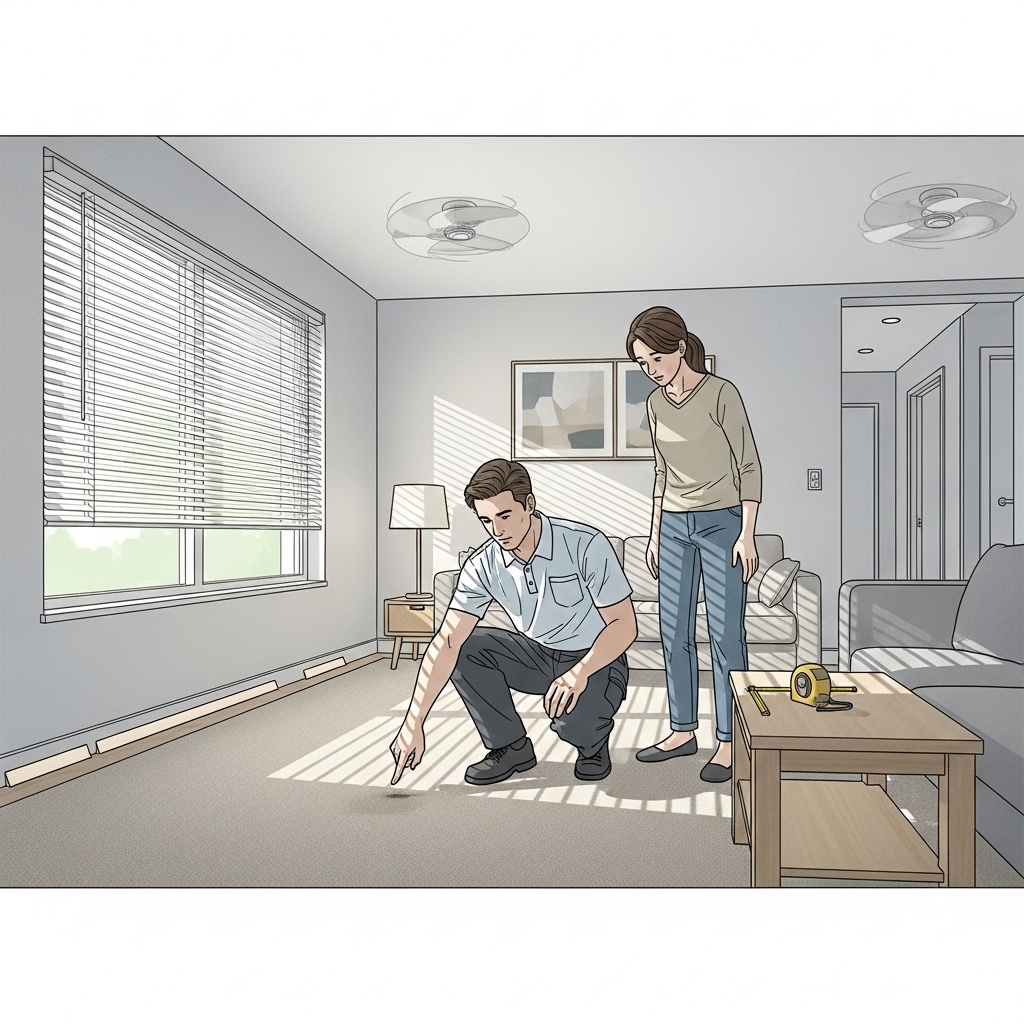
When you search for professional help in Elizabeth, New Jersey, you want clarity about what you’re getting—how thorough the process will be, what’s included, and how to judge value. The smartest approach is to understand the work behind the results, so you can compare services on more than just speed or convenience. Right from the start, examine how providers plan the job, protect your home, and tailor methods to your carpet’s needs. To begin your research with confidence, look at reputable carpet cleaning services and study how they describe their process and commitment to quality.
Value starts with a clear scope of work
The most important part of any professional visit is the scope: what areas will be cleaned, which methods will be used, which items will be moved, and how the team will handle special conditions like pet accidents or odor. In Elizabeth’s varied housing—historic homes, apartments, and townhouses—the best scope addresses access, parking, stairways, and garden-level rooms that may dry differently. A detailed scope prevents misunderstandings and sets clear expectations for outcomes and timelines.
What influences the level of effort
Several factors determine how involved the work will be. These include the total area to be cleaned, the type and age of the carpet, the level of soil in high-traffic paths, and the presence of delicate fibers. Stains from coffee, wine, or rust often require specialized treatments that add steps to the process. Household dynamics—kids, pets, and frequent entertaining—shape how aggressively a pro must agitate, rinse, and groom the pile to restore color and texture.
Methods that impact results
Deep cleaning commonly relies on hot water extraction performed with calibrated heat and powerful vacuum recovery. This approach reaches down into the pile to remove embedded soils and allergens. Low-moisture encapsulation helps maintain appearance between deep services by surrounding soils so they can be vacuumed out later. Dry compound methods can support moisture-sensitive situations. The best technicians choose a method or sequence based on the fiber, backing, and room use. They aim for a residue-free finish that resists rapid re-soiling.
Why training matters more than anything else
Clean carpets require more than a single machine pass. Technicians must identify fibers correctly, apply presprays that match the soil profile, and avoid using products that might cause dye bleed or browning. They know how to prevent wicking by balancing solution, heat, and vacuum, and how to set the pile with grooming for a crisp finish. Experienced teams also communicate what is possible without risking damage, which helps homeowners maintain realistic expectations.
Understanding the difference between maintenance and restoration
Maintenance cleaning addresses light to moderate soil and is ideal for homes that schedule frequent visits. Restoration-level work tackles heavy buildup, recurring traffic lanes, and spots that have undergone multiple DIY attempts. Restoration takes more time and precision—more dry soil removal, more thorough agitation, and careful rinsing. Knowing where your carpet falls on this spectrum helps you align the service level with your goals for appearance and longevity.
Elizabeth-specific considerations
Local conditions influence the plan. Winter brings salt and gritty soils that can scratch fibers and dull color. Summer humidity near the waterfront can slow drying if the wrong approach is used. Many homes have narrow entryways and staircases that require careful hose management and extra protection for walls and corners. Garden apartments and basements may call for strategic airflow to discourage musty odors. A provider that understands these realities will build them into the workflow and timeline.
How to compare proposals without guesswork
- Read the process step by step: inspection, dry soil removal, prespray, agitation, extraction, neutralizing, and grooming.
- Confirm what furniture will be moved, how it will be protected, and what will be left in place for safety.
- Ask how pet accidents and recurring spots will be addressed—and whether detection tools will be used.
- Discuss dry-time goals and how airflow and humidity control will help reach them.
- Request fiber-safe product choices for sensitive occupants or wool rugs.
Questions to ask during a walkthrough
- Which method suits my fibers and why?
- How will you prevent wicking in these traffic lanes?
- What steps will you take to protect baseboards and corners?
- Can you show me how you test for colorfastness?
- How do you handle pet-affected areas that reach the pad?
- What dry-time should I plan for in this weather?
The role of preparation in better outcomes
Your preparation makes a visible difference. Clearing small items, pinning up drapes, and pre-vacuuming allow the technician to focus on soil extraction rather than tidying. Marking concern areas and describing what caused each spot equips the pro to choose the right chemistry and agitation. Planning for pets and reserving parking or elevator access eliminates delays and keeps the day on schedule.
DIY versus professional results
Home machines and over-the-counter products can help with small, fresh spills. However, they often leave residue that attracts soil or introduce too much moisture, leading to slow drying and possible odor. Professional equipment extracts far more water and soil, while trained technicians tailor solutions to your carpet’s construction and dyes. The result should be a softer, cleaner surface that resists rapid re-soiling and improves indoor comfort.
How frequency affects long-term appearance
Regular attention prevents deeply embedded grit from scratching fibers and creating permanent pathways. In busy homes, a plan that rotates deep cleaning with periodic low-moisture maintenance keeps hallways and stairs looking sharper. Families with pets or seasonal mud may prefer shorter intervals for high-traffic zones, while bedrooms or guest rooms can go longer between appointments.
Furniture handling and protection
Clarify what will be moved and how it will be protected on damp carpet. Reputable teams use sliders, tabs, or blocks under legs to prevent wood stain transfer or rust. Some items are best left in place—oversized or fragile pieces should be discussed in advance. Planning this aspect ensures both safety and thoroughness.
Odor and allergy considerations
Odors often originate below the surface. Correct treatment identifies the source and neutralizes it rather than covering it with perfume. For allergy concerns, ask for low-scent or fragrance-free options and a neutralizing rinse that leaves fibers residue-free. Proper extraction removes dust and dander that vacuuming alone may not reach, supporting a cleaner indoor environment.
In the middle of your comparison, it helps to explore established carpet cleaning services that outline their methods and quality controls. Seeing how professionals document inspection steps, product selection, and post-clean grooming will guide you toward decisions that support appearance and longevity.
What to expect on the day of service
Expect a walkthrough to confirm priorities, followed by thorough dry soil removal. The technician applies a targeted prespray, agitates for better contact, and then extracts with controlled moisture and strong vacuum recovery. Stubborn areas receive additional attention, and neutralizing ensures a soft feel. Grooming aligns the pile, and airflow aids are positioned to support quick drying. A final inspection invites you to review results and ask questions.
Post-clean care to preserve results
- Limit traffic until carpets are fully dry to avoid tracking.
- Use mats at exterior doors and consider a shoe-free policy.
- Vacuum routinely to remove dry soil before it settles deep.
- Address spills quickly by blotting and avoiding aggressive scrubbing.
- Rotate furniture slightly to prevent crush marks and uneven wear.
Frequently Asked Questions
Q: How often should I book professional cleaning?
A: Many households plan annually, with high-traffic or pet-friendly homes opting for more frequent attention to key areas.
Q: Will deep cleaning damage my carpet?
A: When performed by trained technicians using calibrated equipment and a neutralizing rinse, deep cleaning is safe and supports longer carpet life.
Q: How quickly will my carpets dry?
A: With proper technique and airflow, most rooms are ready in a few hours. Weather and pile thickness can influence timing.
Q: Can every stain be removed?
A: Not all, but many can. Success depends on the stain type, age, and any previous attempts. Professionals will set realistic expectations.
Q: Do I need to move everything out of the room?
A: Clear small items and discuss larger pieces ahead of time so the team can plan safe handling or work around them efficiently.
Make a confident choice in Elizabeth
If your carpets look tired or you’re planning for guests, choose a provider that prioritizes fiber safety, communication, and healthy indoor results. The right plan balances deep cleaning with practical maintenance and careful aftercare guidance. For a strong starting point, review trusted carpet cleaning services and schedule a visit that restores color, softness, and comfort in every room.