
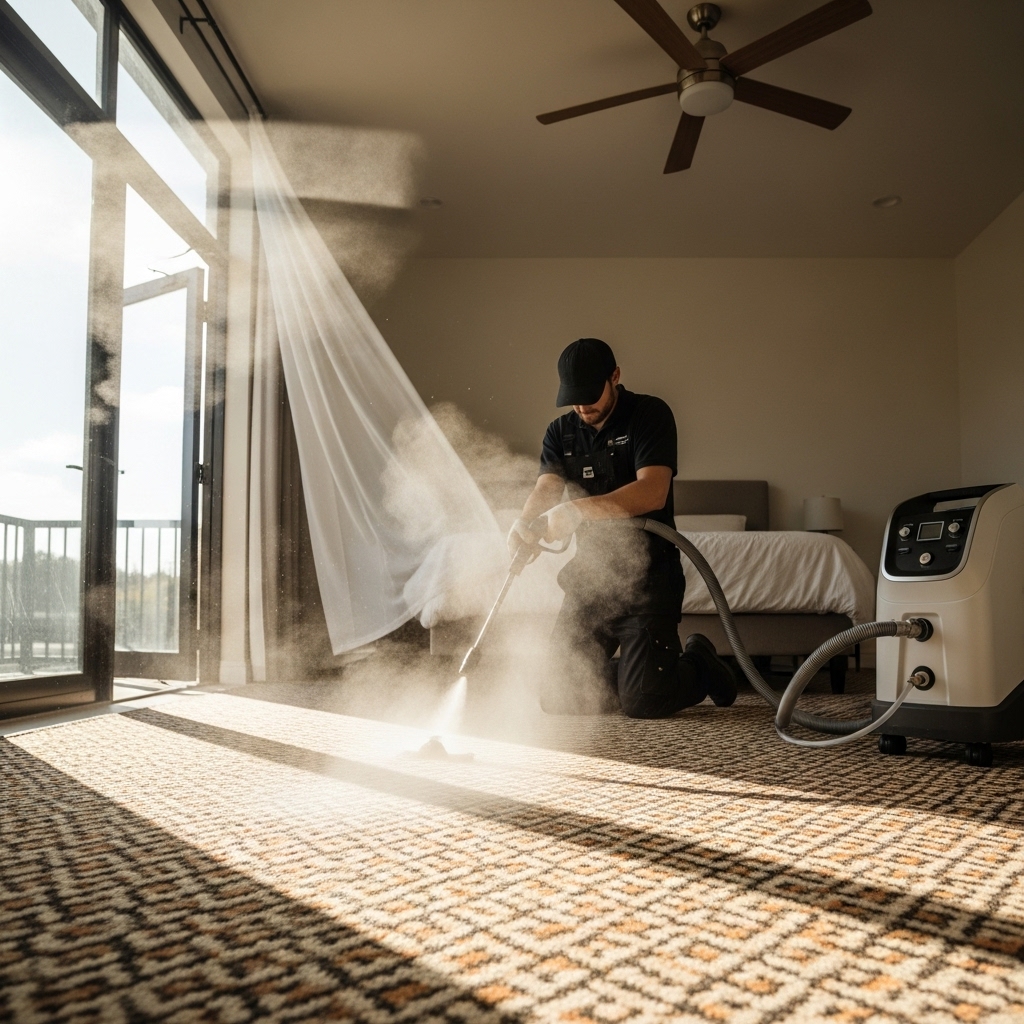
Steam carpet cleaning—more precisely, hot water extraction—is one of the most widely used methods for deep cleaning residential and commercial carpets. In Elizabeth, New Jersey, where winter grit and summer humidity can leave floors looking dull, understanding this method’s strengths and limitations helps you make smart choices for your home or business. This guide explores how hot water extraction works, when it excels, when to consider alternatives, and how to get the best results. If you’re beginning your research, compare established carpet cleaning services to see how professionals describe their techniques and safeguards.
How hot water extraction works
At its core, the method combines targeted chemistry, controlled heat, and powerful vacuum recovery to remove soils from deep within the pile. Technicians start with a thorough dry soil removal, then apply a prespray tailored to the soil type—oily residue, protein-based spills, or everyday dust. Agitation distributes the product for better contact. Heated solution is injected under pressure and almost immediately extracted, carrying soils and residues with it. A neutralizing rinse returns the fiber to a comfortable pH, and grooming aligns the pile for a uniform finish.
Pros: Deep cleaning and broad applicability
- Thorough soil removal: Heat and controlled pressure reach below the surface, extracting embedded grit that dulls color and abrades fibers.
- Allergen reduction: Effective extraction removes dust, dander, and residues that routine vacuuming may leave behind.
- Versatility: With correct chemistry and technique, it works on many synthetic fibers and, with care, on wool.
- Residue control: A proper rinse prevents sticky buildup that can attract new soil, leaving a softer feel.
- Stain treatment compatibility: Specialty treatments for tannins, dyes, and rust pair well with deep extraction steps.
Cons: Risks when performed poorly
- Over-wetting: Excess solution or weak extraction can slow drying and risk wicking or odor.
- Improper chemistry: High alkalinity or the wrong spotter can cause color bleed or texture change.
- Inadequate prep: Skipping vacuuming turns dust into mud and reduces effectiveness.
- Insufficient airflow: Without post-clean ventilation, dry times lengthen unnecessarily.
Elizabeth-specific considerations
Local conditions amplify both benefits and risks. Winter salt and street grit benefit from a flushing action to remove particles that scratch fibers. Garden-level rooms and basements common in the area require careful moisture control and strong airflow to avoid mustiness. Summer humidity calls for attention to dry-time management—fans, open windows as weather allows, and dehumidification if needed. An experienced local provider builds these realities into the plan.
Comparing hot water extraction with other methods
Encapsulation: Excellent for interim maintenance; polymers surround soil, which is then vacuumed out. Dry time is fast, making it ideal for busy homes and offices between deeper services. Dry compound: Useful when moisture must be minimized, though removal can be less thorough in dense piles. Bonnet cleaning: Improves appearance quickly but is not a substitute for periodic deep extraction, especially in heavily soiled or absorbent carpets. The right strategy often blends methods over time.
Fiber-specific guidance
Wool: Requires lower temperatures, controlled moisture, and protective chemistry to preserve texture and dye stability. Nylon: Handles deep cleaning well and responds nicely to grooming. Polyester and olefin: Benefit from targeted degreasers and thorough extraction to counter oily soils. Patterned and loop piles demand attention to wand technique and grooming to avoid distortion. Always start with fiber identification and colorfastness testing.
Pet and odor concerns
Pet accidents can penetrate pad and subfloor. Successful treatment starts with identifying affected areas using moisture detection or UV inspection, applying enzyme solutions with adequate dwell, and extracting thoroughly. Avoid overuse of heavy fragrances that only cover odors temporarily; the goal is source removal. After cleaning, manage airflow and limit foot traffic until fully dry to prevent imprinting or tracking.
Stain scenarios and realistic expectations
Many stains—coffee, tea, certain dyes—respond well to specialty reducers or oxidizers paired with controlled heat and extraction. Others, like bleach marks, represent permanent color loss and cannot be “removed.” A skilled technician will explain what can be improved safely and when fiber protection or a strategic rug placement might be the better choice. Setting expectations up front leads to more satisfying outcomes.
Preparation steps for better results
- Clear small items and pin up long textiles so they don’t touch damp areas.
- Vacuum thoroughly to remove as much dry soil as possible.
- Point out problem spots and share what caused them and when.
- Provide access and parking; plan for pets during the visit.
- Discuss fragrance preferences and fiber sensitivities.
Aftercare to preserve cleanliness
- Encourage airflow until fully dry—fans, windows, and HVAC circulation.
- Use mats at exterior doors; consider a shoe-free policy.
- Vacuum regularly to lift the pile and remove loosened debris.
- Address spills quickly with blotting rather than scrubbing.
- Rotate furniture slightly to avoid crush marks in common pathways.
When to choose hot water extraction
Choose it when carpets show widespread soiling, traffic lanes, or lingering odors, and especially after a season of heavy use. It shines in living rooms, hallways, stairs, and commercial corridors where embedded grit hides. If you’re planning a move-in, move-out, or staging a property, deep extraction can reset the space. Pair it with encapsulation maintenance in between to keep results looking fresher for longer.
When alternatives make more sense
In moisture-sensitive environments or when rapid turnaround is essential, low-moisture or dry compound methods can be preferable. Delicate rugs, hand-tufted items with problematic backings, and certain installations may benefit from off-site or specialized care. Communicate constraints and goals so your provider can recommend the safest, most effective plan.
Signs of a competent provider
- Technicians begin with inspection and fiber tests rather than rushing to the machine.
- They vacuum first, apply targeted chemistry, and control moisture precisely.
- They use corner guards, shoe covers, and protective mats.
- They groom the pile and set up airflow to support reasonable dry times.
- They explain realistic outcomes for stains before proceeding.
In the midst of evaluating options, it helps to read how established carpet cleaning services walk through inspection, method choice, and aftercare guidance. Clarity about each step indicates professionalism and reduces the chance of surprises.
Frequently Asked Questions
Q: Is hot water extraction safe for all carpets?
A: It’s safe for many, including most synthetics and, with careful control, wool. The key is correct chemistry, temperature, and moisture management.
Q: How long does it take to dry?
A: With appropriate technique and airflow, many areas are ready for light use within a few hours. Weather and pile thickness influence timing.
Q: Will it remove every stain?
A: Not every stain is fully correctable, but many improve significantly. Outcomes depend on the substance, age, and any prior attempts.
Q: What about pet odors?
A: Successful treatment targets the source with proper detection, enzymes, and thorough extraction. Heavy perfumes are not a lasting solution.
Q: How often should I schedule it?
A: Many homes plan for a deep extraction annually, with interim maintenance in high-traffic paths as needed.
Make an informed, confident choice
Hot water extraction remains a proven path to deep cleanliness when carried out with training, care, and attention to local conditions. Whether you’re preparing for company or recovering from a busy season, choose a team that explains the plan, protects your space, and stands behind the work. Explore professional carpet cleaning services and schedule a visit that brings color, softness, and freshness back to every room.