
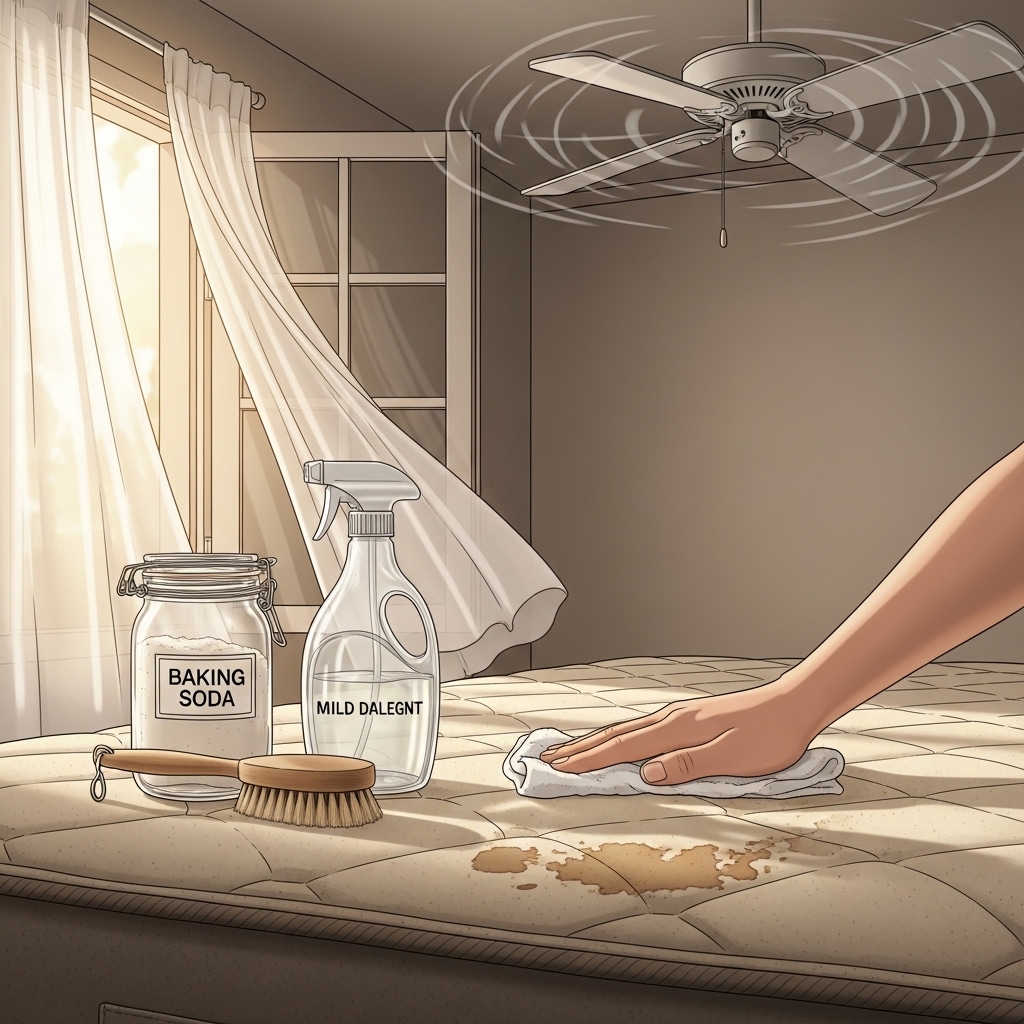
How to Clean Mattress Stains Safely in Elizabeth, New Jersey
Stains happen, even in the most careful households. A late-night tea, a toddler’s accident, a nosebleed during allergy season—each leaves marks that can be stubborn and unsanitary if not handled correctly. In Elizabeth, New Jersey, our seasonal humidity and urban dust create additional challenges for drying and odor control. This in-depth guide explains how to identify stain types, select safe methods, and avoid common mistakes that can set a stain or damage delicate foams. We also explain when to call for professional mattress cleaning to protect your investment while restoring freshness.
Successful stain removal begins with speed, but care matters just as much as quick action. Rushing in with harsh chemicals or oversaturating the surface can push soils deeper, warp materials, or create lingering odors. With a plan and a gentle, methodical approach, most stains can be substantially improved or completely resolved while maintaining structural integrity.
Know Your Stain: Identification Is Half the Battle
Different soils respond to different treatments. Before reaching for supplies, identify the category:
- Protein-based: blood, sweat, vomit, dairy. These respond to cool water and enzyme-based solutions.
- Tannin-based: coffee, tea, wine, plant material. These prefer mild detergents and cool to lukewarm water.
- Oil-based: body oils, lotions, some cosmetics. These benefit from grease-cutting surfactants and patient blotting.
- Inorganic or unknown: dust, mystery marks, or older stains that have oxidized. These require cautious testing.
When in doubt, start with the least aggressive method and escalate only if needed. Always test in a small, inconspicuous area of the mattress border or underside if accessible.
Essential Supplies for Safe Cleaning
Build a simple kit so you can act quickly:
- White, lint-free cloths or paper towels for blotting and color transfer checks.
- Cool water in a spray bottle to control moisture application.
- Mild, dye-free liquid detergent in a diluted solution.
- Enzyme cleaner suitable for fabrics for protein-based stains.
- Baking soda for odor absorption and gentle polishing during final steps.
- A soft-bristle brush or dedicated upholstery brush.
- HEPA vacuum with upholstery tool for dry debris and baking soda removal.
Keep fans or a gentle airflow device available. Air movement speeds drying, which helps prevent ring marks and discourages microbial growth.
General Principles: Blot, Don’t Rub
Rubbing spreads stains and drives soils deeper. Press with folded white cloths, allowing capillary action to lift liquid. Swap cloth faces frequently to avoid re-depositing soils. Apply solutions sparingly, working from the outside of the stain toward the center. Between steps, blot with dry cloths to remove moisture. This controlled approach protects foams and batting from saturation.
Step-by-Step for Fresh Spills
- Blot immediately. Press without scrubbing to remove as much liquid as possible.
- Apply a small amount of cool water via spray, then blot again. Avoid soaking.
- Use the appropriate cleaner for the stain type in light mists or dabs.
- Allow a few minutes of dwell time, then gently tamp with cloth or soft brush.
- Blot thoroughly until no more moisture transfers to the cloth.
- Sprinkle a thin layer of baking soda to capture remaining dampness and odor. Let sit until completely dry.
- Vacuum baking soda slowly with overlapping passes.
Repeat cautious cycles if needed, allowing ample dry time between rounds. Patience preserves the mattress and prevents discoloration halos.
Protein-Based Stains: Cool and Enzymatic
For blood and similar soils, use cool—not warm—water to avoid coagulation. Apply an enzyme cleaner as directed, avoiding over-application. Gently tamp with a cloth, then blot dry. Follow with a light baking soda treatment to neutralize remaining odor and moisture. If discoloration persists, repeat with shorter dwell times to prevent edge spreading.
Tannin Stains: Gentle Detergent and Persistence
For coffee, tea, and wine, dilute a small amount of mild detergent in cool to lukewarm water. Mist sparingly, tamp, and blot. Avoid alkaline boosters that may set certain tannins or alter fabric dyes in quilting. Several light passes generally outperform one heavy attempt.
Oil and Body Soils: Surfactants and Time
Body oils and lotions can darken fabric over time, especially in common sleep zones. A small amount of grease-cutting detergent solution, used sparingly, helps. Tamp and blot repeatedly. Finish with a baking soda rest and thorough vacuuming. Consider a breathable protector afterward to reduce future absorption.
Old and Mystery Stains: Caution and Testing
Older stains may have oxidized or bonded. Always test solutions first. Begin with cool water and gentle detergent before trying specialized products. If color shifts or rings appear, stop and consult a professional who can adapt methods to your mattress materials.
Moisture Control in Elizabeth’s Climate
Humidity and temperature influence dry times. In summer, use dehumidification or run air conditioning during cleaning. In winter, expand gentle airflow but avoid direct high heat on foams. Fast, even drying helps prevent musty smells and readies the bed sooner. If the stain was extensive, elevate the mattress on its side for a short period to encourage thorough evaporation without stressing seams.
Common Mistakes to Avoid
- Over-scrubbing, which damages fibers and spreads stains.
- Over-wetting, especially with memory foam and latex.
- Mixing chemicals indiscriminately, which can cause reactions or discoloration.
- Using colored cloths that bleed dye onto the fabric.
- Skipping test spots before full application.
When to Call a Professional
Call in help when stains cover a large area, involve significant odors, or recur due to accidents or humidity. Professional tools reach deeper layers and control moisture far better than household methods. This is particularly important for foam mattresses that can trap liquid below the surface. If you also struggle with nighttime congestion, pairing stain treatment with full-service allergen reduction can be transformative. Midyear or after back-to-school season is an excellent time to combine your household routine with expert mattress cleaning and keep the bedroom at its best.
Protective Measures After Cleaning
Once stains are treated and the mattress is dry, add protection. Choose a breathable, waterproof protector that does not trap heat. Wash bedding regularly, and vacuum the mattress top monthly using a clean upholstery tool. Rotate the mattress if permitted by your manufacturer to distribute wear. These steps reduce future staining risk and prolong freshness.
Safe Ingredient Profiles
Look for enzyme formulas labeled for fabrics, mild surfactants without dyes or heavy fragrances, and residue-free rinsing properties. For those with sensitivities, fragrance-free options minimize irritation. Store solutions at room temperature and check expiration dates to ensure efficacy. Keep all cleaners out of reach of children and pets, and label spray bottles clearly.
Special Considerations for Children’s Beds
Kids’ mattresses can experience more frequent accidents and spills. Act fast, use cool water for protein-based soils, and follow with enzyme treatments. Rinse lightly with a damp cloth and blot dry. If incidents are frequent, consider keeping an extra protector and spare bedding on hand for quick changes in the night. For bunk beds or tight spaces, a handheld vacuum and smaller spray bottles increase control.
Guest Rooms and Infrequent Use
Stains in guest rooms may go unnoticed for weeks. Follow the same careful approach, but expect older soils to require additional passes. After cleaning, allow ample drying time and refresh the room with dusting and vacuuming. Airflow is your ally; it prevents mustiness and improves the overall feel when guests arrive.
Pet-Related Stains
Pet accidents combine protein and odor challenges. Blot first, then use enzyme cleaners to address the sources. Avoid ammonia-based products that can confuse pets. After treatment and drying, consider reinforcing house rules and providing a washable pet blanket to reduce future incidents.
Mattress Materials and Limits
Memory foam and latex demand low moisture and short dwell times. Hybrid mattresses often include quilting and foam layers that benefit from targeted, low-volume applications. Innerspring models tolerate slightly more moisture but still require careful blotting and timely drying. When in doubt, use less liquid and more patience.
Frequently Asked Questions
Q: Can I use hydrogen peroxide on blood stains? A: It can work in low concentrations on light-colored fabrics, but always test first and use sparingly to avoid bleaching effects and fiber damage.
Q: What if a stain keeps reappearing? A: Wicking from deeper layers is likely. Repeat light treatments with extended dry times, or consult a professional for deeper extraction.
Q: Is steam safe for mattresses? A: High heat and moisture can harm some foams. If you use steam, apply cautiously and briefly, and ensure rapid drying.
Q: Do baking soda and sunlight fully sanitize? A: They help with freshness, but they do not replace thorough extraction or professional sanitizing when needed.
Q: How soon can I make the bed? A: Only when the area feels completely dry to the touch. Use fans to accelerate drying.
Q: Will a protector stop all stains? A: Protectors significantly reduce risk, but liquids at seams or zipper areas can still reach the fabric; vigilance is still important.
Q: Can I remove old yellowing? A: Some age-related discoloration is permanent. Cleaning can reduce odors and improve appearance, but certain color shifts will remain.
Q: Are scented cleaners okay? A: If you are sensitive, opt for fragrance-free products. When used, scents should be light and never a substitute for soil removal.
Building a Long-Term Stain Prevention Routine
Create a checklist: weekly bedding wash, monthly vacuum of the mattress surface, quarterly protector laundering, and immediate response to spills. Keep a small caddy with cloths, spray bottles, and labeled solutions in the bedroom closet for fast access. These habits reduce the chance of difficult stains and streamline cleanup.
Make Stain Safety a Household Habit
Safe mattress stain removal is a skill that pays off in appearance, hygiene, and comfort. With the right tools, techniques, and patience, you can handle most mishaps confidently. For deep, persistent, or recurring issues, schedule a visit with an experienced team to protect your mattress and restore calm to your nighttime routine. When you are ready for comprehensive care beyond spot treatment, arrange professional mattress cleaning and enjoy a cleaner, more comfortable bed all year in Elizabeth.