
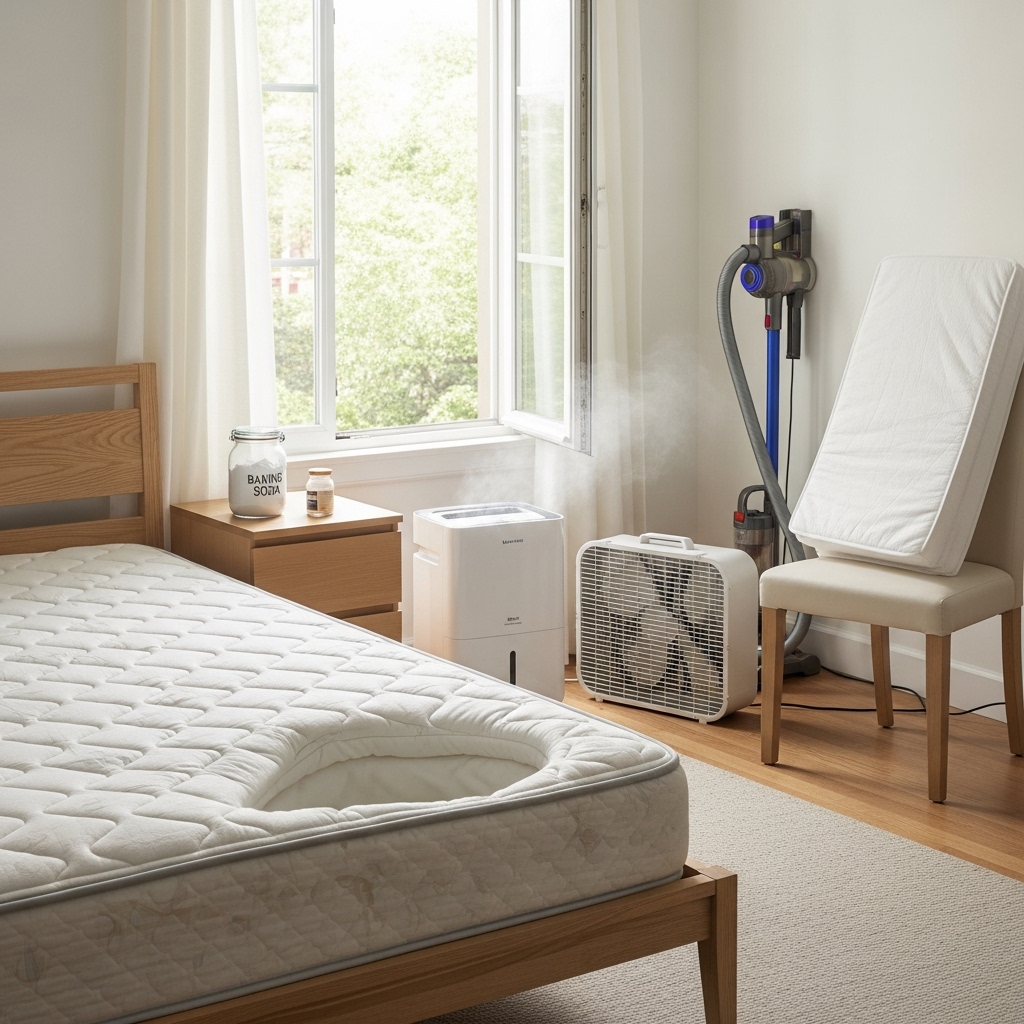
Keeping your mattress clean is one of the most effective ways to improve sleep quality, reduce allergens, and extend the life of your bed. In Elizabeth, New Jersey, where seasons swing from chilly winters to humid summers, a smart, local-minded routine is especially helpful. This in-depth guide shares practical strategies that work for apartments, single-family homes, and multi-generational households alike. You will learn how to build a sustainable schedule, choose safe products, address stains, and create bedroom habits that keep your mattress fresher for years. To compare your approach with expert methods and evaluate when you might want outside help, explore reputable perspectives on mattress cleaning as you plan your routine.
Start With a Clear Baseline
Before you set a recurring schedule, perform a thorough baseline clean so you have a fresh starting point:
- Strip bedding and launder sheets, pillowcases, and protectors.
- Vacuum the surface with an upholstery attachment, using slow, overlapping passes and paying special attention to seams and edges.
- Spot treat any stains with minimal moisture, blotting instead of rubbing.
- Lightly apply baking soda for deodorizing, let it dwell for 30 to 60 minutes, then vacuum thoroughly.
- Ensure full drying before putting fresh bedding on.
Build a Local-Friendly Schedule
Elizabeth’s climate suggests a rhythm that balances airflow and humidity:
- Monthly: Vacuum the mattress surface and launder protectors.
- Seasonally: Perform a deeper refresh with baking soda and targeted spot cleaning.
- After pollen peaks: Wash bedding more frequently and consider an extra vacuum to control allergens.
- Before humid spells: Confirm good ventilation and consider running a dehumidifier in the bedroom.
Choose the Right Tools
You do not need an arsenal of products—just a few dependable basics:
- Upholstery vacuum tool with a clean filter
- White microfiber cloths
- Distilled water and mild dish soap for light stains
- Enzyme cleaner for organic spills
- Baking soda for deodorizing
- Optional: A dehumidifier and box fan to accelerate drying
Spot Cleaning the Smart Way
Stains respond best to quick action and gentle methods. For a beverage spill, blot first, then dab with a cloth slightly dampened with a mild soap solution. For organic accidents, use an enzyme cleaner and let it dwell as instructed before blotting dry. Always test in a hidden area first. Repeat light treatments instead of a single heavy one to reduce the risk of rings and saturation.
Allergy-Savvy Habits
Dust mites and pollen can undermine indoor comfort. Use allergen-proof covers for the mattress and pillows, vacuum regularly, and keep windows closed during high-pollen hours. Washing bedding in warm to hot water when care labels allow helps reduce allergens. Consider an air purifier to keep particles lower in the bedroom.
Ventilation and Drying: The Secret to Success
Many cleaning missteps stem from incomplete drying. Plan cleaning on days when you can offer robust airflow. Open windows if conditions are dry and run fans for several hours. In humid months, use a dehumidifier or air conditioning to keep moisture in check. Do not remake the bed until the surface is fully dry to the touch.
Protectors: Your Everyday Shield
A breathable, washable mattress protector drastically reduces stain risk and keeps dust out of top layers. Wash protectors monthly and after any spill. For homes with pets or young children, consider a waterproof option that remains breathable to avoid heat buildup.
Rotating and Flipping
Check manufacturer guidance: many modern mattresses are one-sided and should not be flipped, but rotating every three to six months can help distribute wear. When rotating, vacuum again—seams and edges that were near the head of the bed accumulate different debris than those at the foot.
Odor Control Without Heavy Fragrance
Use baking soda and airflow instead of strong perfumes. Fragrance-heavy products can mask smells and irritate sensitive sleepers. If an odor persists after cleaning, identify its source—pet accidents, humidity, or spills—and treat that specifically with enzyme cleaner or moisture control rather than relying on scent.
Addressing Difficult Scenarios
- Recurring rings after spot cleaning: Allow full drying before re-treating. Apply less moisture on the next pass.
- Persistent odors: Revisit the area with an enzyme treatment and extend ventilation time.
- Large, complex spills: Work in sections, blotting and drying carefully to avoid spreading.
What About Steam?
Steam can refresh certain innerspring surfaces but is risky for memory foam and latex due to moisture retention and heat sensitivity. If you choose to use steam, keep passes extremely light, test first, and emphasize drying with fans and dehumidifiers. Often, dry methods and conservative spot cleaning are safer and achieve similar results.
Keeping the Bedroom Cleaner Overall
The cleaner the room, the easier it is to keep your mattress fresh. Dust regularly, vacuum carpets and rugs with a HEPA filter, and wash curtains or wipe blinds where dust can accumulate. Shoe-free policies help reduce tracked-in dirt. Consider placing a washable rug at the bedroom entrance to catch debris.
Family, Pets, and Guest Rooms
Households with kids and pets see more spills and dander. Keep stain supplies handy—white cloths, mild soap solution, enzyme cleaner—and address incidents immediately. For guest rooms, vacuum the mattress before and after visitors, launder bedding between stays, and store linens in sealed containers to prevent dust.
Mid-Routine Check: Reassess Your Approach
Halfway through the year, evaluate what is working. If certain stains keep coming back or odors linger, review reputable guidance on professional mattress cleaning methods that emphasize controlled moisture and effective drying. Small tweaks—such as an extra monthly vacuum or switching to an allergen-proof protector—can make a big difference.
Eco-Friendly Mattress Care
Simplicity is sustainable. Mild detergents, baking soda, and enzyme cleaners used correctly minimize harsh chemicals in your sleep space. Ventilation does most of the deodorizing heavy lifting. Reusable cloths and well-maintained equipment further reduce waste.
Frequently Asked Questions
Q: How often should I deep clean my mattress?
A: Every three to four months suits many homes, with monthly vacuuming and quick responses to spills.
Q: Is it safe to use hydrogen peroxide?
A: Use only 3% and test in a hidden spot first. Apply sparingly and blot immediately to reduce the risk of discoloration.
Q: Can I flip my mattress?
A: Only if the manufacturer indicates it is flippable. Many modern models should be rotated instead.
Q: How do I stop odors from returning?
A: Identify the source, use enzyme cleaner for organic causes, and ensure complete drying with strong airflow.
Q: Are scented sprays a good idea?
A: Rely on ventilation and mild deodorizers. Heavy fragrances can irritate and mask rather than solve odor issues.
Q: What should I do after a late-night spill?
A: Blot immediately, apply a minimal amount of the appropriate cleaner, blot again, and run a fan overnight.
Q: How can I reduce allergens long-term?
A: Use allergen-proof covers, wash bedding regularly in warm to hot water when allowed, and vacuum the mattress monthly with a HEPA-filtered machine.
Put Your Plan Into Action
With a thoughtful routine, you can keep your mattress cleaner, fresher, and more comfortable through every Elizabeth season. If you decide you want expert support to complement your efforts, explore trusted mattress cleaning to help you maintain a healthier sleep space over the long term.