
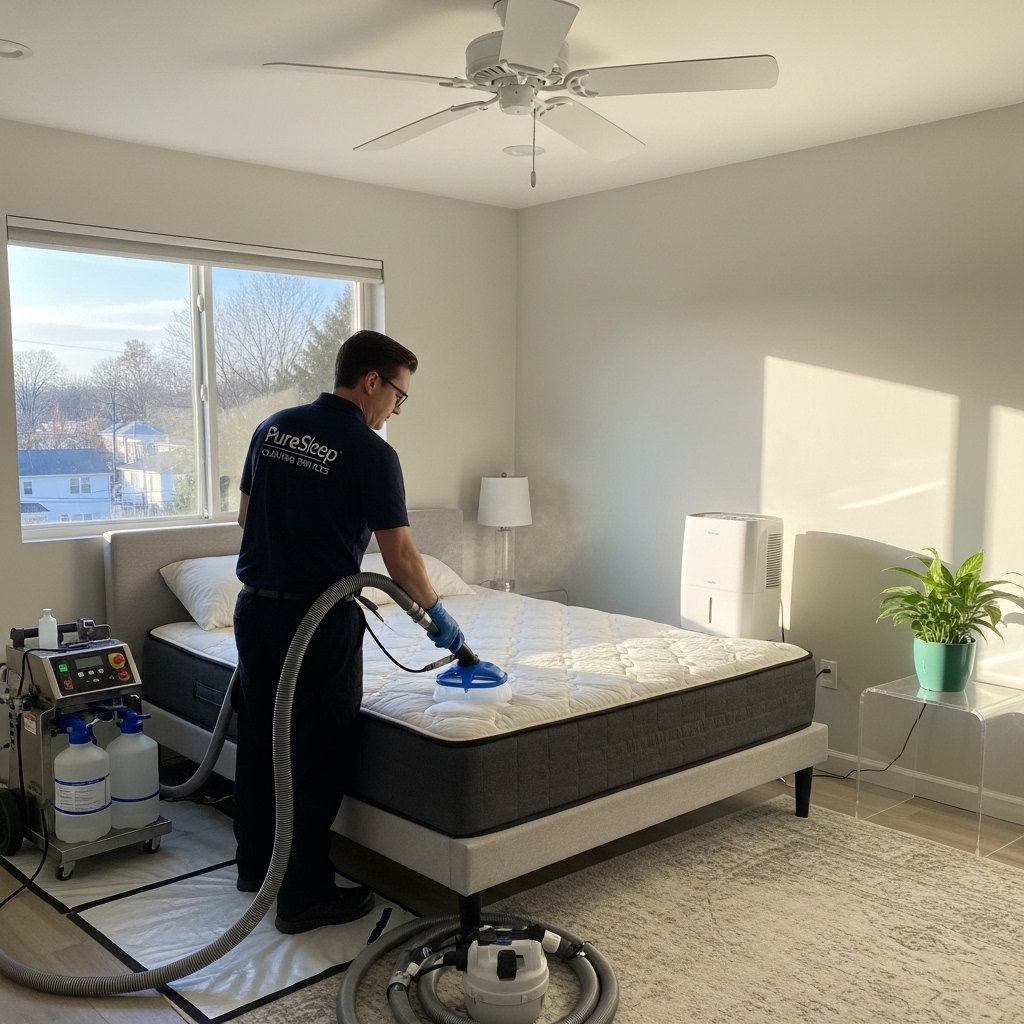
Professional Mattress Cleaning For Allergens In Elizabeth, New Jersey
The bedroom should be the most restorative space in your home, yet for many households in Elizabeth, New Jersey, allergens that accumulate in mattresses quietly undermine comfort and health. Dust mites, dander, pollen carried in from city parks, and fine particles from daily life settle into mattress fibers where they persist far longer than most people realize. A strategic approach that includes professional mattress cleaning can transform your sleep environment, reduce irritants, and support easier breathing overnight. This guide explains how allergens build up, why specialized methods work better than basic vacuuming, and how to maintain a fresher, healthier mattress throughout the year in our New Jersey climate.
Unlike surfaces you see and wipe daily, mattresses are porous, layered, and constantly exposed to moisture from perspiration and humidity. That environment becomes a microhabitat for dust mites and a reservoir for skin flakes, pet dander, and spores. Over time, even the most diligent use of sheets and protectors cannot entirely prevent this accumulation. Professional care addresses the deeper layers where ordinary household cleaning tools cannot effectively reach without risking damage.
Why Allergens Accumulate in Mattresses
Allergens gather in mattresses due to a combination of daily contact, microclimate, and materials. Foam, fiber batting, and quilted covers trap particles that settle by gravity or are pushed down during sleep movement. In Elizabeth’s seasonal humidity, moisture helps particles adhere to fibers and gives dust mites the hydration they need to thrive. Even when bedrooms feel clean, microscopic debris remains embedded. The result is a slow, steady increase in irritants that may trigger sneezing, stuffy noses, morning headaches, and disrupted sleep.
Pet owners may notice flare-ups after grooming days or during shedding seasons. Families with young children may encounter additional moisture and accident-related contamination. Renovations and neighborhood construction can also increase fine particulate dust, adding to the burden inside mattresses. Understanding how these factors interact helps you plan the right cleaning cadence.
Benefits of Professional Allergen-Focused Cleaning
Professional allergen-focused service goes beyond surface refreshment. Specialized equipment can extract fine debris that standard vacuums leave behind, and targeted methods help neutralize biological residues. Benefits include more consistent sleep, reduced morning congestion, and less reliance on heavy bedroom dusting. Many households also report fewer odors and a general sense of freshness in the room after comprehensive treatment. For those with asthma or seasonal allergies, reducing the allergen load in the mattress often complements air filtering and routine laundering to create a more holistic defense.
Professionals tailor their approach to the mattress type—whether memory foam, latex, hybrid, or traditional innerspring—because each material demands different moisture limits and suction strategies. This precision protects structural integrity and preserves comfort characteristics while improving cleanliness.
How Professionals Tackle Allergens Step by Step
While providers may vary in tools and sequence, an effective process typically includes the following steps, adapted to the condition of the mattress and household needs in Elizabeth:
- Assessment and testing to identify stains, odors, moisture levels, and material sensitivities.
- Dry extraction using high-efficiency equipment that captures fine particles without scattering.
- Targeted pre-treatment on stains using solutions calibrated for protein-based soils, body oils, or environmental contaminants.
- Deep-level extraction with controlled moisture or low-moisture methods depending on the mattress type.
- Neutralization steps to address residue and reduce re-soiling potential.
- Sanitizing or allergen reduction treatments selected for sensitivity and material safety.
- Drying enhancement and post-inspection to ensure a ready-to-use surface as quickly as possible.
Careful control of moisture and dwell times is critical. Overwetting can harm foam, warp fibers, or create conditions that encourage mold growth. A trained technician understands how to balance soil removal with safe drying profiles.
Allergen Hotspots to Address
Allergens tend to concentrate at the top quilting, around sleep zones where shoulders and hips rest, and along edges where hands grip the mattress when getting up. If rotating or flipping is recommended by your mattress manufacturer, equalize wear and allergen distribution by following those guidelines. Pillows and toppers also harbor significant allergen loads; coordinating their cleaning with mattress service increases overall benefit.
Elizabeth, New Jersey Climate Considerations
Our local weather shifts from humid summers to dry, heated winters, and each season affects mattress hygiene. Summer humidity encourages dust mite activity, while winter heat reduces indoor moisture yet circulates dust through forced-air systems. Professional seasonal cleaning—often aligned with spring and fall—helps prepare the bedroom for upcoming changes. After high-pollen months, a thorough allergen reduction is especially helpful for those who notice nightly nasal irritation or morning scratchy throats.
DIY Maintenance vs. Professional Results
Regular maintenance you perform at home extends the time between professional services and helps maintain gains. However, a home regimen cannot replicate the deep extraction and calibrated treatments of a trained provider. A strong routine includes weekly laundering of bedding in hot water if the material allows, periodic vacuuming of the mattress surface with a clean HEPA-equipped tool, and immediate attention to moisture events. For long-term allergen reduction, professional intervention provides the backbone that transforms occasional cleaning into a sustainable program.
In the middle of your annual plan, consider scheduling specialized support to reinforce your routine. This is the ideal moment to pair at-home practices with expert mattress cleaning so that seasonal peaks do not undo your hard work. Align this timing with other home care tasks like changing HVAC filters for a comprehensive indoor air quality strategy.
Safe Products and Sensitivity Considerations
Households vary in sensitivity. Some clients prefer fragrance-free options; others want botanical or low-VOC treatments. Communicate any concerns ahead of time to ensure compatible solutions. A professional service should be able to outline product categories and provide safety data upon request. For children’s rooms and guest spaces, ensuring neutral, residue-free finishes helps knit together comfort, cleanliness, and peace of mind.
Mattress Types: Tailored Methods
Each mattress type calls for a nuanced approach:
- Memory foam: Strict moisture control, gentle extraction, and patience with drying.
- Latex: Sensitive to heat and chemicals; favors low-moisture methods.
- Hybrid: Quilted tops require attention to seam lines and body zones.
- Innerspring: Often more tolerant of controlled moisture but still requires careful drying.
Clarify your specific model with your provider. If you have documentation from the manufacturer, share cleaning guidance so the process aligns with warranty-friendly practices.
Odor Management Without Over-Fragrance
Odor comes from a mix of skin oils, perspiration, occasional spills, and trapped environmental smells. True deodorization tackles source contaminants rather than masking. The best results pair targeted enzyme or oxidizing steps with thorough extraction and accelerated drying. Fragrances can be pleasant, but they should never substitute for actual soil removal or allergen reduction.
Post-Cleaning Care: Protect and Maintain
After professional service, a few habits help maintain results. Use a breathable, washable mattress protector that shields against perspiration without locking in moisture. Wash sheets weekly, and pillowcases more frequently if oil buildup is a concern. Vacuum the mattress top monthly with a soft upholstery tool, making slow overlapping passes. Keep pets off beds if allergies are severe, or provide a dedicated pet blanket that is laundered often.
Scheduling and Frequency for Elizabeth Households
Every home is different, but a common rhythm includes one to two professional services per year for allergen-focused results, supplemented by consistent at-home upkeep. For those with significant sensitivities, recent renovations, high pollen exposure, or pets, additional sessions may be justified. Monitor symptoms as your guide: if mornings feel clearer and sleep is more restful after a cleaning, you have a strong indicator that your schedule is effective.
Common Myths About Mattress Allergens
Myth: Washing sheets alone solves the problem. Reality: Bedding captures many contaminants, but the mattress stores a deeper layer that sheets cannot address.
Myth: Sunlight and airing out are enough. Reality: Sunlight helps, but it cannot dislodge embedded particles or fully neutralize residues below the surface layers.
Myth: All treatments are the same. Reality: Methods vary widely, and certain mattresses require tailored approaches to avoid damage while maximizing allergen reduction.
What to Expect on Service Day
Before technicians arrive, strip the bed and clear pathways. Share any concerns about stains, odors, or sensitivities. Expect a thorough but efficient process that includes inspection, staged cleaning, and a final check. In most cases, the bed can be dressed the same day after recommended drying intervals. Keep ceiling fans or gentle airflow running to speed drying without direct heat.
Whole-Bedroom Strategy for Cleaner Air
Allergen reduction is strongest when the whole bedroom is considered. Launder curtains or wipe blinds, dust hard surfaces from high to low, and vacuum carpets or rugs using HEPA filtration. Replace HVAC filters on schedule and consider closing windows on high-pollen days. This integrated approach ensures the mattress cleaning gains are supported rather than offset by other dust reservoirs.
For Families, Students, and Seniors in Elizabeth
Shared bedrooms, dorm living, and multigenerational homes pose unique challenges. High turnover and overlapping schedules lead to increased exposure to allergens brought in from parks, buses, and community spaces. A structured mattress care plan eases the load on immune systems, particularly for infants, older adults, and anyone managing respiratory concerns. Simple practices—like bagging seasonally stored bedding and cleaning under the bed frame—also matter more in compact living spaces.
Pet Households and Allergen Balance
Pets are beloved family members, but their dander, fur, and outdoor pollen hitchhikers add to bedroom allergen levels. Designate a routine for laundering pet blankets and grooming outside when weather allows. Use lint rollers on bedding between washes. If possible, give pets a cozy bed near yours to reduce the temptation to sleep on the mattress. Professional cleaning helps keep this balance sustainable, especially during shedding peaks.
Choosing a Reliable Local Provider
Look for clear explanations of methods, equipment, and product safety. A strong provider will ask about your mattress type, sensitivities, and goals, and will recommend a customized plan rather than a one-size-fits-all approach. Reviews and referrals from neighbors can be helpful, but prioritize transparency and responsiveness. After-service guidance—like drying tips and protector recommendations—indicates a service culture focused on long-term results.
Signs It’s Time to Schedule
- Morning congestion or frequent sneezing that improves away from the bedroom.
- Persistent musty or stale odors despite fresh bedding.
- Visible dust plumes when gently patting the mattress surface.
- Recent spills or moisture events, even if minor.
- Seasonal transitions or home projects that increase dust.
Frequently Asked Questions
Q: How long does a professional appointment usually take? A: Timing varies by mattress size and condition, but most services are completed in a single visit with drying guidance provided before re-dressing the bed.
Q: Is there a risk of over-wetting the mattress? A: Trained technicians use controlled-moisture or low-moisture methods tailored to the material, minimizing risk while achieving deep extraction.
Q: Will cleaning remove all allergens completely? A: No service can promise zero allergens, but a well-executed process significantly reduces the load and supports better sleep and air quality.
Q: How often should I schedule cleaning? A: Many households benefit from one to two services per year, adjusted based on sensitivities, pets, and seasonal factors.
Q: Are fragrances necessary to achieve a fresh smell? A: Genuine freshness comes from soil removal and neutralization, not from added scents; fragrance use is optional.
Q: Can I sleep on the bed the same day? A: In most cases, yes. Follow drying recommendations, use light airflow, and ensure the surface feels fully dry before making the bed.
Q: Do protectors eliminate the need for cleaning? A: Protectors help, but they cannot stop all particles from entering layers over time; a combined approach is best.
Q: What if my mattress is very old? A: Cleaning can still improve hygiene, but evaluate overall support and comfort. If structural wear is advanced, consider replacement timing.
Q: Are kids’ and guest beds worth cleaning? A: Yes. Even lightly used mattresses accumulate dust and benefit from periodic professional attention.
Q: How do I prepare for service? A: Strip bedding, move breakables, mention concerns, and arrange for gentle airflow to aid drying after the visit.
Keep Your Mattress Fresher, Longer
A thoughtful plan combines routine bedroom hygiene with periodic professional attention. Track how you feel in the morning, and watch for signs that it is time to refresh the mattress again. If multiple family members share a space, stagger cleaning so everyone benefits throughout the year. Your sleep quality and daily energy often reflect the care invested in this unseen but essential surface.
Take the Next Step for Cleaner Sleep in Elizabeth
If you are ready to reduce allergens and breathe easier at night, schedule expert support and keep your bedroom at its most restorative. Connect with trusted local professionals and set a timeline that fits seasonal needs. Start now by arranging comprehensive mattress cleaning that respects your materials, sensitivities, and routine, and wake up to a clearer, fresher tomorrow.