
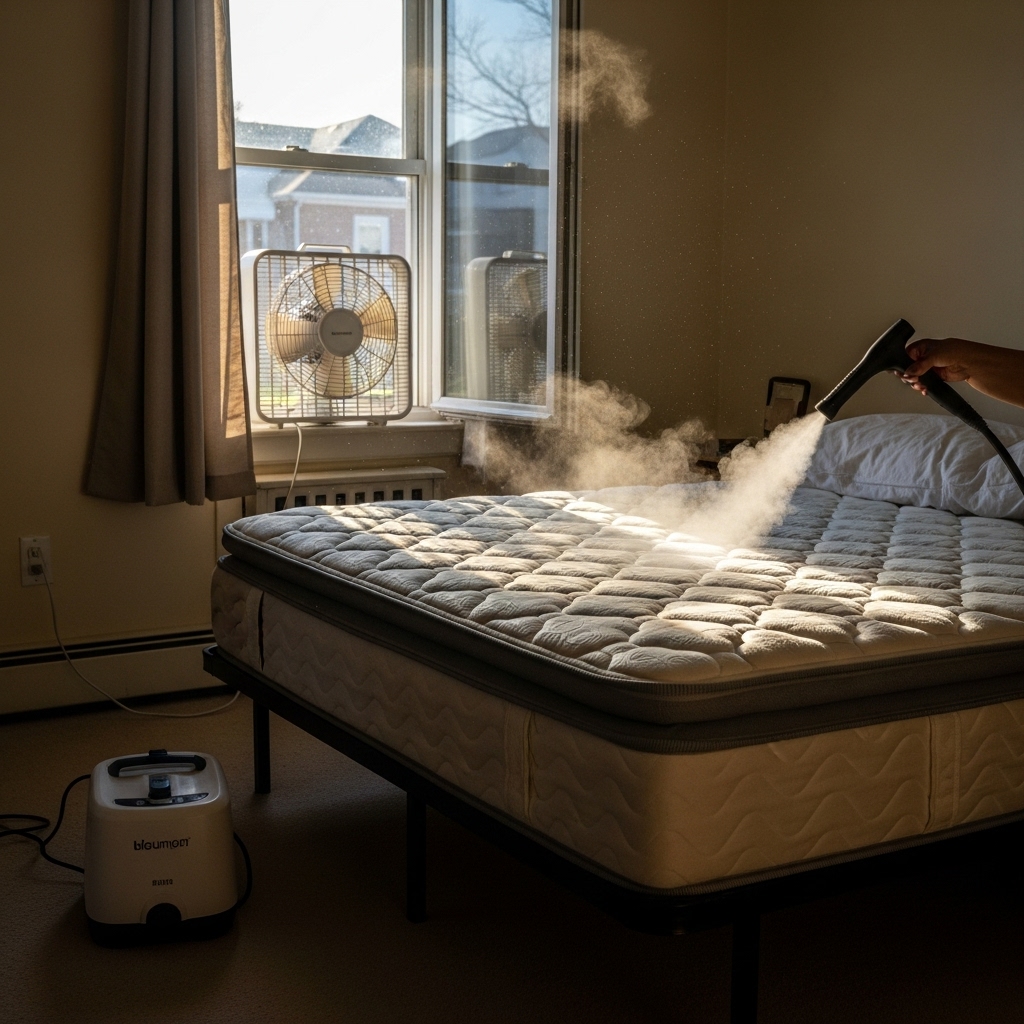
Steam can be a powerful ally for refreshing surfaces, and many Elizabeth, New Jersey residents wonder if steam is a good option for mattresses. The method promises heat-based sanitation and odor reduction, yet mattresses have unique materials and moisture sensitivities that call for caution. This guide explains how steam cleaning works, which mattresses handle it best, the upsides and downsides, and practical steps for safer use. You will also find alternatives that deliver similar results with less moisture. For a broader perspective on care options—DIY and professional—you can consult reputable resources about mattress cleaning as you weigh your choices.
How Steam Cleaning Works
Steam cleaning uses heated water vapor to loosen grime, neutralize certain odors, and reduce microbial presence at the surface. On hard floors or tile, steam’s power is straightforward. Mattresses, however, contain fabrics, foams, and adhesives that can retain moisture. That makes controlled application and conservative technique essential.
Mattress Materials and Steam Compatibility
Not all mattresses are equally suited for steam. Here is how common types respond:
- Innerspring with a quilted top: Often most tolerant when used lightly at the surface with minimal dwell time.
- Hybrid (springs plus foam layers): Requires caution; foam near the surface can trap moisture, so very light steam and fast drying are critical.
- Memory foam: Generally not recommended. Moisture can linger and affect structure or odor over time.
- Latex: Sensitive to heat and excessive moisture; check manufacturer guidance before attempting any steam.
Pros of Steam Cleaning a Mattress
- Heat-based sanitation at the surface can reduce certain microbes and odors.
- Helps loosen light grime and refresh the top layer.
- Uses primarily water, keeping chemical exposure low.
- When applied carefully, can be part of a broader refresh that includes vacuuming and deodorizing.
Cons and Risks
- Moisture retention: Foam layers can hold water vapor, slowing drying and encouraging persistent odors.
- Heat sensitivity: Excess heat may affect adhesives or certain latex and foam materials.
- Uneven results: Overlapping passes can over-wet some areas while missing others.
- Potential for prolonged drying: In Elizabeth’s humid months, drying may take longer without strong airflow or dehumidification.
When Steam May Be Appropriate
If your mattress is an innerspring model with a breathable quilted top and you keep the steam application light and brief, steam can offer a gentle surface refresh. It is best for light odor and superficial grime rather than deep-set stains or long-standing odors.
Alternatives to Steam
- Vacuuming with an upholstery attachment for dry debris removal
- Minimal-moisture spot cleaning with mild detergent and distilled water
- Enzyme cleaner for organic spills and odors
- Baking soda deodorizing with extended dwell time followed by thorough vacuuming
- Professional low-moisture extraction tailored to your mattress type
Step-by-Step: A Cautious Approach to Steam
- Check the label and manufacturer guidance. If the manual or tag warns against steam, do not proceed.
- Pre-clean dry debris. Vacuum thoroughly, focusing on seams and quilting.
- Test a small, inconspicuous area with brief steam exposure. Watch for discoloration or texture change.
- Use the lowest effective steam setting and keep the head moving to avoid over-wetting.
- Work in small sections with quick passes. Avoid prolonged dwell time.
- Immediately follow with airflow. Run fans or a dehumidifier and open windows if weather allows.
- Allow complete drying before putting bedding back on.
Stain Strategy: Steam Is Not a Cure-All
Steam is not ideal for every stain. Organic spills usually respond better to enzyme cleaners. Pigmented stains may require careful spotting with mild solutions. Over-wetting stains with steam can cause them to spread or wick to the surface later. Treat the stain first with minimal moisture; if you still want a light steam pass, keep it brief and focus on deodorizing rather than stain removal.
Allergy Considerations in Elizabeth
For allergy-prone households, a combination of vacuuming, allergen-proof covers, and frequent bedding washes is often more impactful than steam alone. Steam’s heat can help reduce certain surface contaminants, but controlling dust mites and pollen requires ongoing prevention and consistent cleaning routines. During high-pollen seasons, keep windows closed during peak hours and focus on indoor air filtration.
Drying Is Everything
Successful steam use hinges on drying. If your home tends to be humid—common in summer—plan for extra airflow. Position multiple fans around the bed, cross-ventilate if you can, and consider running a dehumidifier for several hours. Do not make the bed or sleep on the mattress until it is fully dry to the touch.
Steam on Memory Foam: Why Caution Is Warranted
Memory foam’s open-cell structure can hold moisture. Even a quick steam pass may deposit enough water vapor to create prolonged dampness internally. That can lead to persistent odors or structural changes over time. For memory foam, use light, targeted spot treatments, avoid saturation, and lean on dry methods like thorough vacuuming and baking soda deodorizing.
Hybrid Mattresses: Mixed Materials, Mixed Rules
Hybrids combine springs and foam. When using any moisture, you must consider the foam layers nearest the surface. If you decide to steam, keep the head moving, use the lowest effective setting, and prioritize fast drying. Remember that not all hybrids are the same; construction varies widely.
What About Latex?
Natural latex can be sensitive to high heat and moisture. Always consult manufacturer guidance. Many owners of latex beds stick to dry cleaning methods, targeted spot treatment, and diligent ventilation to avoid complications.
Middle-Mile Check: Compare Options
As you evaluate whether to proceed with steam or choose an alternative, it can be helpful to review trusted information on professional mattress cleaning methods that focus on controlled moisture and efficient drying. Comparing strategies mid-process prevents over-committing to an approach that does not suit your mattress.
Practical Routine Without Steam
- Monthly vacuuming of the mattress surface and seams
- Quarterly baking soda application with long dwell time and thorough vacuuming
- Immediate blotting of spills followed by minimal-moisture spot cleaning
- Use of breathable protectors and frequent laundering of bedding
Frequently Asked Questions
Q: Is steam safe for every mattress?
A: No. It is generally not recommended for memory foam and can be risky for latex. Innerspring models with quilted tops are more tolerant if used lightly and dried thoroughly.
Q: Will steam remove deep stains?
A: Not reliably. Stains often respond better to targeted cleaners. Steam can spread some stains or cause them to reappear as the mattress dries.
Q: How long does drying take after steaming?
A: It varies with humidity, airflow, and how much steam was applied. Plan for several hours and ensure the surface is fully dry before replacing bedding.
Q: Can I add fragrance to the steam water?
A: Avoid additives. Many fragrances can irritate sensitive sleepers and do not address odor sources. Focus on cleanliness and ventilation.
Q: What is a safer alternative for foam mattresses?
A: Use minimal-moisture spot treatments, baking soda deodorizing, and thorough vacuuming. Consider professional low-moisture methods tailored to foam.
Q: Does steam kill dust mites?
A: Heat can reduce dust mites on the surface, but consistent prevention—covers, washing bedding hot when allowed, and vacuuming—matters more for long-term control.
Putting It All Together
Steam can play a limited role in refreshing certain mattresses, but it is not a universal solution. Prioritize your mattress’s material, local humidity, and drying logistics before you proceed. If you prefer a lower-risk approach, focus on dry methods and targeted spot treatments, and consider professional options that balance moisture with fast drying.
Refresh Your Mattress with Confidence
When you want a safe, effective strategy tailored to your mattress and local conditions, explore reputable mattress cleaning solutions and choose the path that supports deep rest. With the right plan, you can maintain cleanliness, comfort, and peace of mind in your Elizabeth home.