
Introduction
Owning area rugs brings warmth, color, and texture to a home, especially in Elizabeth, New Jersey where seasonal changes demand both comfort and durability from your floor coverings. For beginners, rug care can feel intimidating — fibers, dyes, and backing materials each react differently to cleaning methods. This guide walks you through practical, safe, and effective rug cleaning basics to help you maintain your investment and keep your living spaces healthy. If you prefer professional help after learning the basics, consider professional rug cleaning as an option to preserve delicate fibers and restore deep-set soils.
In this comprehensive guide you’ll learn how to identify rug types, perform routine upkeep, tackle common stains, schedule deeper cleanings, and decide when to call in specialists. We’ll also cover tools and supplies that are useful for beginners, safety tips to protect your rug and home, and frequently asked questions to demystify troublesome cleaning challenges.
Know Your Rug: Fibers, Construction, and Backing
The first step in responsible rug care is identifying what you own. Rugs are made from natural fibers such as wool, cotton, silk, and jute, or synthetic fibers like nylon, polypropylene, and polyester. Each fiber has strengths and limitations: wool is durable and resilient but can felt or shrink with agitation; silk is luxurious but fragile and best left to professionals; synthetics often resist stains but can be prone to heat damage.
Construction matters too. Hand-knotted rugs have individual knots that produce long-lasting pieces; machine-made throws and area rugs may use glued or stitched backing that is sensitive to moisture. Flatweaves and kilims have open weaves that trap debris differently than shag or high-pile rugs. Examine the rug’s underside for labels or tags indicating fiber content and care instructions, and test a hidden corner with a damp white cloth to check colorfastness before using any cleaners.
Essential Tools and Supplies for Beginners
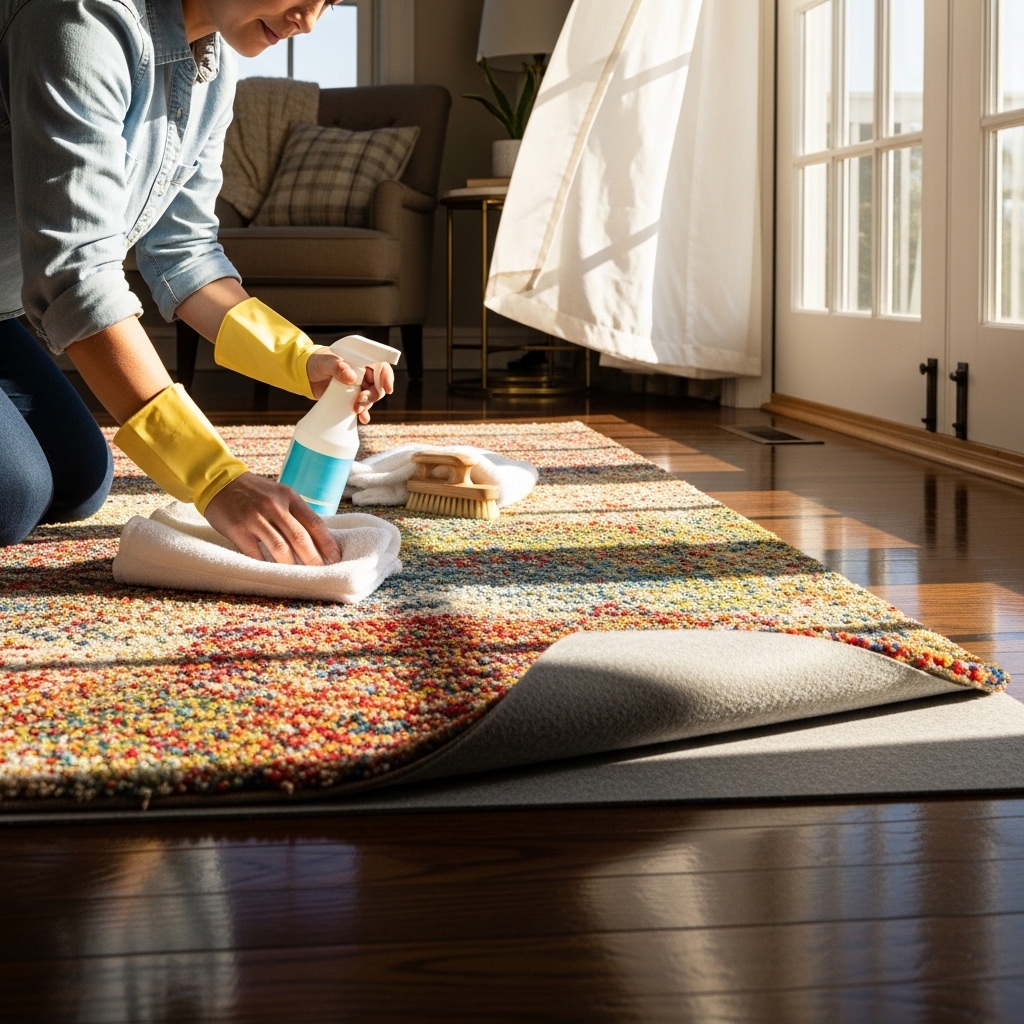
Begin with a few reliable tools: a soft-bristled broom or vacuum with adjustable height, a dedicated rug pad (to prevent slipping and reduce wear), clean white towels, a spray bottle, a small brush with soft nylon bristles, and a gentle, pH-balanced rug or carpet cleaner. Avoid harsh detergents, bleach, and hot water for natural fibers. For wool and silk, use products designed specifically for those fibers or consult a professional.
Keep household items on hand for spot cleaning: distilled white vinegar, baking soda, club soda, and plain water. These are often effective for neutralizing odors and lifting fresh spills without introducing strong chemicals. Always blot spills rather than rubbing, which can push stains deeper and disrupt fibers.
Routine Maintenance: Daily, Weekly, Monthly
Consistent maintenance is the key to prolonging a rug’s life. Daily care involves quickly addressing spills — blot, don’t rub — and removing shoes or heavy grit from high-traffic areas. Weekly vacuuming removes surface dust and prevents soil from settling into fibers. Use a cleaner vacuum for both sides of a rug when possible; flipping the rug seasonally helps remove embedded dust from the underside and prevents uneven wear.
Monthly attention should include a more thorough vacuum with appropriate settings for your pile height, and a careful inspection for small spills, insect activity, or fiber shedding. Rotate rugs every three to six months to ensure even wear; this is especially important in Elizabeth where sun exposure and foot traffic patterns vary through the year.
Spot Cleaning: Fast Response Techniques
When a spill occurs, time is your ally. Gently blot with a clean white towel to absorb liquid, working from the outside toward the center to prevent spreading. For water-based stains like juice or coffee, blot and then apply a mixture of equal parts distilled white vinegar and water in a spray bottle. Lightly mist the area and blot again until the stain lifts. Rinse by lightly misting with plain water and blot dry.
For oily spots, sprinkle baking soda over the area to draw out grease. Let it sit for several hours or overnight, then vacuum thoroughly. Repeat if necessary. For stubborn stains or dye transfer, test a small hidden patch for colorfastness using diluted cleaner before treating the visible area.
Deeper Cleaning: When and How to Do It
Deep cleaning depends on traffic and location. Living areas and entryways often need a deeper clean once or twice a year. For many rugs, a gentle hot water extraction (steam cleaning) performed by trained technicians is effective — but be cautious with delicate natural fibers that can shrink or felt with excessive moisture and heat.
If you choose to clean a rug yourself, use a low-moisture method and a mild, pH-neutral cleaner. Work in small sections and avoid soaking the rug or its backing. Use a wet-dry vacuum to extract water and cleaner thoroughly. Ensure the rug dries completely, preferably outdoors on a flat surface or indoors with fans and good ventilation, to prevent mold and backing deterioration.
For older, antique, or valuable rugs, professional cleaning is the safest option. Professionals have access to fiber-specific cleaning agents, gentle agitation equipment, and controlled drying environments that protect dyes and construction while removing deep-seated soil.
Odor Control and Allergen Reduction
Rugs can trap odor-causing particles and allergens. Baking soda is a simple and effective deodorizer: sprinkle liberally across the rug, let sit for several hours, then vacuum. For pet odors, enzymatic cleaners break down odor molecules at the source. Regular vacuuming with a HEPA filter reduces airborne allergens and prevents them from embedding in fibers.
Keep indoor humidity in check to deter mold and mildew, especially after deep cleaning. If a rug has been soaked by water from leaks or storms, immediate professional attention is recommended to salvage fibers and backing and to limit mold growth.
Preventive Measures and Everyday Habits
Prevention is often easier and less expensive than restoration. Use entry mats to trap dirt before it reaches rugs, and adopt a no-shoes policy in carpeted areas. Place furniture pads under legs to reduce indentations, and use rug pads to absorb impact and reduce movement. Trim snags with scissors to prevent further unraveling rather than pulling loose threads.
Sunlight can cause colors to fade over time. Rotate rugs periodically to balance light exposure and protect sensitive dyes. For highly valued rugs, consider window treatments or UV-blocking films to reduce direct sun exposure while preserving the room’s natural light.
Troubleshooting Common Problems
Moth damage appears as small holes or thinning areas. Store off-season rugs in breathable fabric bags and use insect deterrents appropriate for textiles. If you find moth larvae or damage, isolate the rug and seek professional treatment; vacuuming and freezing small decorative pieces can remove larvae, but larger infestations require expert care.
Stain set-in from dyes or rust may need specialized chemical treatments. Avoid trying harsh solvents at home. Instead, consult a reputable cleaner who can use controlled solutions and techniques for safe removal. For fringe care, avoid vacuuming the fringe directly; instead, use gentle hand cleaning along the fringe direction to prevent tangling.
When to Hire a Professional
Call professionals if your rug is antique, made of silk or fragile fibers, has extensive soiling, or sustained water damage. Professionals are equipped to test fibers, assess dyes for colorfastness, and select suitable cleaning methods. They also provide restoration services for damaged backs, fringes, or worn piles, extending the rug’s usable life and preserving its appearance.
If you’re unsure which cleaner to trust, ask about training, certifications, and methods they use. Many reputable companies offer free in-home assessments and will explain their drying, extraction, and spot treatment processes so you know what to expect.
DIY Cleaning: Step-by-Step for Beginners
Start by vacuuming both sides of the rug. Then, perform a spot test in an inconspicuous area using your chosen cleaner diluted appropriately. If the color remains stable, work section by section with a mild cleaner and a soft brush, lightly agitating in the direction of the pile. Rinse with clean water, extract as much moisture as possible, and dry thoroughly. Never leave the rug damp for long periods, and avoid direct heat sources that can distort fibers.
If you need to wash a small flatweave or cotton rug, a gentle hand wash with cool water and mild detergent can work. Rinse until water runs clear, squeeze out excess water without wringing, and dry flat in a shaded, breezy area.
Environmental Considerations
Choose eco-friendly cleaners when possible. Many pH-neutral products are biodegradable and gentle on both fibers and the environment. Avoid solvents and harsh chemicals that can off-gas or harm indoor air quality. Proper disposal of cleaning residues and contaminated towels is also important for safety and sustainability.
FAQ
Q: How often should I vacuum my area rugs? A: High-traffic rugs should be vacuumed at least once a week; lower-traffic rugs can be vacuumed every one to two weeks. Vacuum both sides seasonally to remove embedded dust.
Q: Can I use a steam cleaner on wool rugs? A: Caution is advised. Steam cleaning can work if temperatures and chemical usage are controlled; however, wool is prone to felting and shrinkage. Professional methods tailored for wool are safer.
Q: What do I do if my rug gets wet from a flood? A: Act quickly to dry the rug and prevent mold. Extract as much water as possible, separate layers if possible, and consult a professional restoration service experienced with water-damaged textiles.
Q: How can I remove pet urine permanently? A: Enzymatic cleaners are designed to break down urine molecules and remove odors. Multiple treatments and deep cleaning may be necessary, and severe or repeated accidents could require professional treatment to fully eliminate odor.
Q: Is it safe to place rugs over heating vents or radiators? A: Avoid covering heat sources that could dry and damage rug fibers or cause shrinkage. Ensure adequate airflow and monitor for any signs of heat-related discoloration.
Final Encouragement and Next Steps
Learning to care for rugs is a rewarding process that keeps your home comfortable and extends the life of treasured textiles. Begin with routine maintenance, master spot-cleaning techniques, and assess when professional services are the better option for deep cleaning or restoration. If you decide a professional evaluation is right for your rug, research local providers with strong references and transparent methods.
For hands-on help with challenging soils or delicate fibers, consider reaching out to specialists who focus on textile preservation and professional cleaning. Their expertise can restore vibrancy and protect your rug’s structure while saving you time and worry. If you’d like a professional inspection to determine the best cleaning approach for a specific rug, consider professional rug cleaning services that work with delicate and valuable textiles.
If you have specific questions about your rug or need tailored advice, gather photographs, note fiber content and any tags, and be ready to describe stains or damage. A clear description helps both do-it-yourself efforts and professional consultations.
Protecting your rugs starts with knowledge and consistent care. By following the steps outlined here, you’ll keep your rugs looking beautiful and performing well for years to come. For reliable assistance and a thorough, fiber-appropriate cleaning when you feel it’s time, reach out to a trusted cleaning professional and schedule an assessment of your rug’s condition and needs. Contacting a professional can be the best way to safeguard your investment and ensure the highest standard of care for delicate or high-value pieces: professional rug cleaning.