
Introduction
Homeowners in Elizabeth, New Jersey rely on area rugs to add warmth and style to living rooms, dining areas, and bedrooms. Proper rug cleaning not only preserves appearance but also protects indoor air quality and prevents premature wear. This homeowner’s guide will help you create a regular care routine, understand materials and treatment methods, and decide when professional assistance is the best option. For homeowners seeking both routine maintenance tips and help with deeper issues, consider connecting with professional rug cleaning specialists who can offer tailored solutions for different rug types.
Throughout this guide we’ll cover everyday cleaning, stain removal strategies, seasonal and deep-cleaning recommendations, and preventive practices to keep rugs looking their best. You’ll also learn how to interpret care labels and test cleaning products safely.
Understanding Your Rug’s Composition
Begin by identifying fiber type and construction. Natural fibers like wool and cotton respond differently to moisture and detergents than synthetics. Wool is durable and naturally soil-resistant but may be sensitive to alkaline cleaners; cotton is easy to wash but can shrink; silk requires a gentle approach. Synthetic fibers can be forgiving and resist certain stains, but they may be sensitive to heat.
Construction—knotted, tufted, flatwoven, or hooked—affects the way dirt hides and the techniques used for cleaning. Check the rug’s label or test a small corner if labels are missing. Knowing the rug’s makeup will inform your vacuum settings, spot treatments, and choice of cleaning product.
Daily and Weekly Care for Busy Households
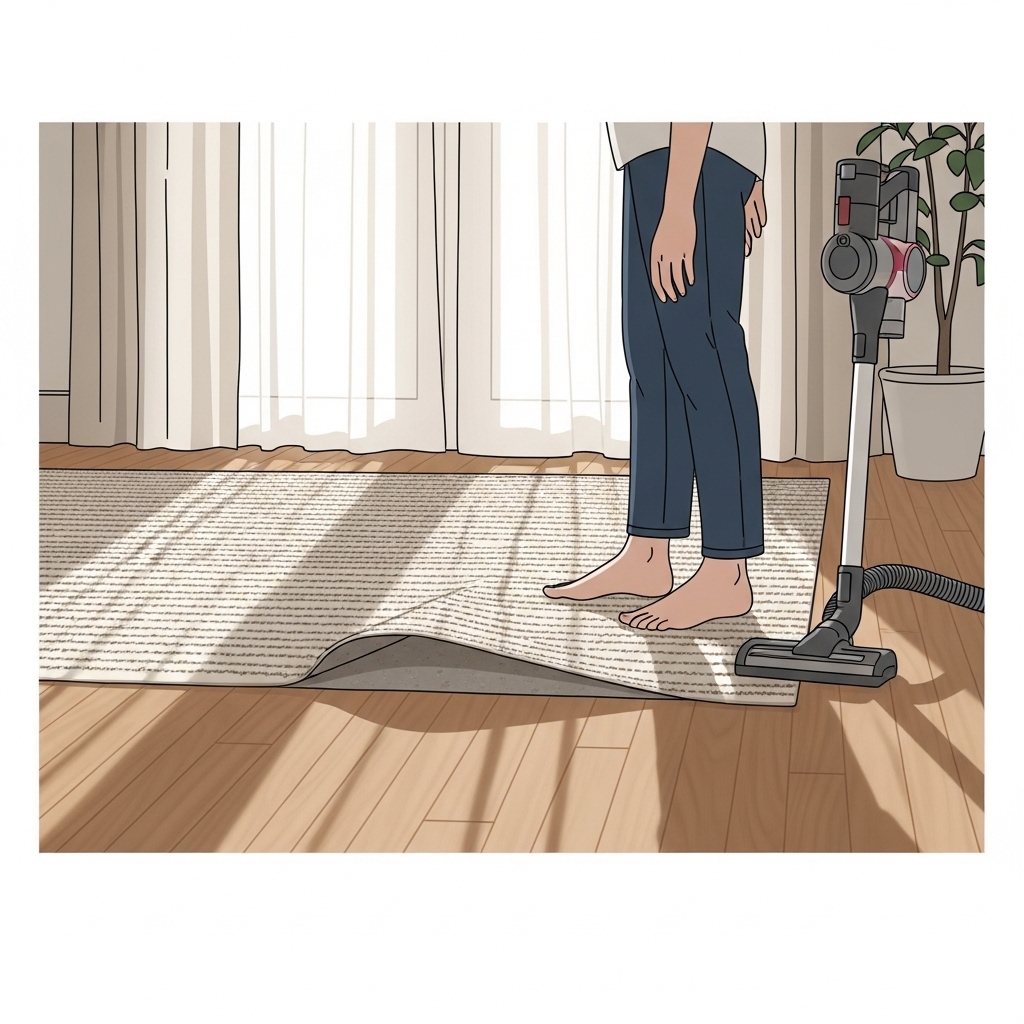
Families with children or pets should adopt frequent maintenance habits. Immediate blotting of spills, daily pickup of debris, and regular vacuuming prevent staining and soil migration. Use a vacuum with adjustable height and avoid beater bars for delicate piles. For fringes and tassels, use gentle hand dusting rather than aggressive vacuuming to avoid tangling.
Place doormats at entrances and encourage a no-shoes policy inside the home to reduce tracked soil. For rugs under furniture, lift or move pieces occasionally to vacuum and prevent uneven wear patterns.
Effective Spot Repair Methods
Respond promptly to stains. For most liquid spills, blot with white towels, then treat with a mild solution of water and distilled white vinegar if safe for the fiber. For wine, coffee, and food stains, use repeated blotting and light misting with the testing solution, reversing to rinse with clear water. For grease or oil, apply absorbent powders like cornstarch or baking soda before vacuuming to lift the oil, then clean gently with an appropriate degreasing solution formulated for rugs.
Always perform a colorfastness test before applying any cleaner. Pick a hidden area, apply the cleaner, blot, and look for color transfer to a white cloth and no dye fading on the rug itself.
Seasonal Cleaning and Deep-Cleaning Approach
At least once a year, and more often for high-traffic rugs, plan a deeper clean. Seasonal cleaning practices include rotating rugs to even out exposure, shaking or beating flatweaves outdoors, and scheduling professional deep cleaning for delicate or high-value pieces.
DIY deep cleaning is feasible for some rugs using low-moisture methods and gentle cleaning agents. Avoid saturating the backing or using high heat that could shrink natural fibers. Extraction machines can be used cautiously, ensuring thorough extraction and drying to avoid mold or backing damage.
Handling Pet Accidents and Odors
Pet stains require quick action. Remove solids, blot liquids, and apply an enzymatic cleaner to neutralize odor sources. Repeat treatments and a thorough rinse may be necessary for older or set-in odors. Use baking soda to deodorize between cleanings, and vacuum thoroughly once the powder is removed.
For persistent pet issues, consider training and environmental adjustments to minimize repeat accidents, and consult a professional if odors persist after multiple treatments.
Protecting Rug Fibers and Color
Avoid sun damage by rotating rugs and using window treatments to reduce UV exposure. For fragile dyes or older rugs, professional dye stabilization may be necessary to prevent bleeding during cleaning. Always dry rugs flat in a shaded, ventilated area and avoid drying against metal bars or direct heat sources.
Furniture placement can crush piles over time; rotate rugs and move furniture occasionally to redistribute wear. Use furniture coasters to prevent pads or legs from imprinting into the rug fibers.
Addressing Common Rug Problems
Uneven wear, color fading, and fringe damage are frequent. Fringe should be cleaned gently by hand. For holes or tears, professional repair and reweaving services can reconstruct damaged areas while maintaining the rug’s visual integrity. Quick action on small issues prevents larger repairs later on.
If you discover signs of insect damage, isolate the rug and inspect other textiles. Professional pest control and cleaning can remove larvae and prevent further spreading.
DIY vs Professional Cleaning: Making the Right Choice
Minor surface cleaning and spot removal are usually safe for homeowners. However, for valuable, antique, or fragile rugs, or if you’re dealing with significant soiling, dye transfer, or water damage, professional cleaners provide safer outcomes. Professionals can also handle full restoration, including reweaving, fringe repair, and color correction.
Request references, inquire about methods and drying processes, and ensure any professional is transparent about steps they will take to protect your rug’s materials and colors.
Preparing Your Rug for Professional Service
Move furniture off the rug or mark heavy pieces for replacement, note stains and areas of concern, and provide information about the rug’s fiber content and any previous treatments. This helps the technician choose the correct cleaning agents and techniques.
Document existing damage with photographs so you and the cleaner have a clear record before work begins.
FAQ
Q: Can I wash my rug in a washing machine? A: Small, machine-washable rugs made of cotton or synthetic blends may be safe in a machine, but always follow manufacturer instructions. Larger or delicate rugs should not be machine-washed.
Q: How long does it take a rug to dry after cleaning? A: Drying time varies with fiber, thickness, humidity, and ventilation, but expect 12 to 48 hours under good conditions. Proper extraction and airflow speed drying.
Q: Are steam cleaners safe for all rugs? A: Steam cleaners can be safe when used correctly, but high heat and agitation can harm natural fibers. Check fiber recommendations before using steam or hot water extraction.
Q: What should I do about fringe that is dirty or tangled? A: Gently hand-clean fringe using mild detergent and water, and straighten with your fingers while damp. Avoid vacuuming fringes directly.
Conclusion and Action Steps
Good rug care combines routine maintenance with intelligent interventions for stains and wear. For Elizabeth homeowners, the climate and household activity levels influence cleaning frequency and methods. Start with consistent vacuuming, immediate spill response, and seasonal rotations. For deep cleaning, delicate fibers, or persistent problems, consult a professional who can provide targeted solutions and preserve your rug’s longevity.
If you decide that professional assistance is right for your home, contacting experienced technicians can ensure fiber-appropriate cleaning and safe restoration. For detailed evaluation and cleaning tailored to your rug’s needs, explore reliable professional rug cleaning services that understand textile care.
Taking the time to understand your rugs will pay dividends in appearance and durability. Armed with the techniques in this guide, you can maintain a healthy, attractive home environment and enjoy your rugs for many years.