
Introduction
Keeping area rugs clean and well-maintained in Elizabeth, New Jersey is straightforward if you follow a consistent maintenance checklist. This checklist will guide you from daily habits to annual professional care, helping you prevent damage, eliminate odors, and preserve the rug’s appearance. When routine care isn’t enough or you need expert restoration, consider professional rug cleaning to address deep soils, delicate fibers, and complex stains.
This maintenance checklist is organized by frequency and task, providing clear actions for homeowners who want to protect their rugs and extend their useful life. Follow the sections that match your rug’s traffic level and value to develop a personalized care plan.
Daily and Immediate Actions
– Blot spills immediately using white towels or absorbent cloths. Never rub a spill, which pushes it deeper into fibers. Work from the outside to the center of the stain to avoid spreading.
– Remove solids with a spoon or dull knife before blotting liquids. For pet messes, remove solid waste first and then blot up as much liquid as possible.
– Brush or shake small rugs outside to remove loose dust and dirt that can abrade fibers over time.
Weekly Care Tasks
– Vacuum rugs at least once a week in high-traffic areas; less frequently in low-traffic rooms. Use appropriate vacuum settings for the pile and avoid beater bars on delicate or high-pile rugs.
– Spot-clean any new stains promptly using fiber-appropriate cleaners. Test cleaning solutions in an inconspicuous area before widespread use.
– Check for loose threads or minor damage and trim snags carefully with scissors to prevent further unraveling.
Monthly and Quarterly Checks
– Rotate rugs every three months to ensure even wear and fading. This is particularly important for rugs in sunlit rooms or under heavy furniture.
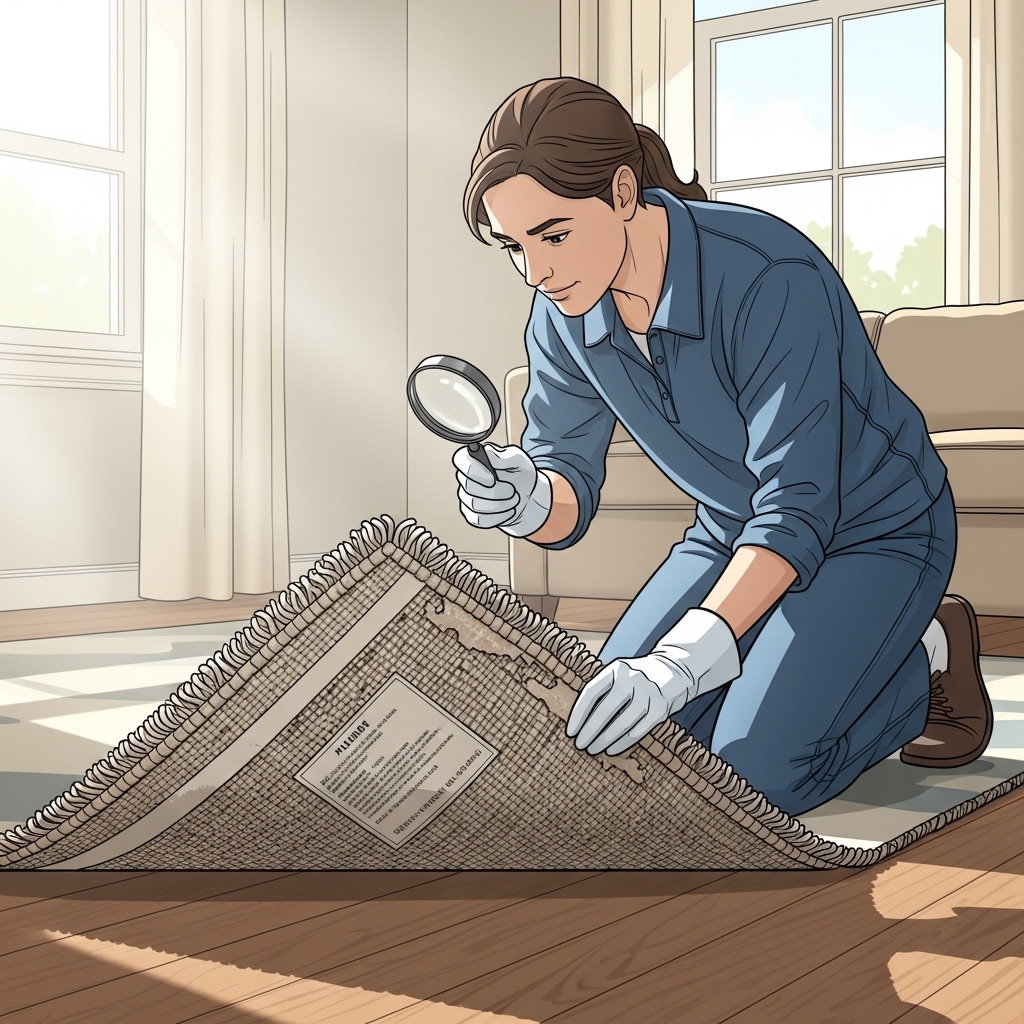
– Inspect underside and edges for signs of moisture, pest activity, or deterioration of the backing. Address any concerns early to prevent major repairs.
– Clean or replace vacuum filters and bags to maintain suction performance and air quality during cleaning.
Seasonal and Annual Tasks
– Deep clean rugs annually, or more frequently for high-traffic pieces. This may involve low-moisture cleaning, gentle extraction, or professional hot water extraction depending on fiber and construction.
– For spring and fall transitions, consider taking rugs outdoors for a gentle beat or shake to remove embedded dust, followed by vacuuming.
– If you store rugs seasonally, clean them thoroughly before rolling and store in breathable fabric, away from sunlight and pests.
Handling Common Incidents
– Spill: Blot immediately, apply a mild cleaning solution after colorfastness testing, rinse, and blot dry.
– Grease: Use absorbent powder, let it sit, vacuum up, then apply a suitable degreaser designed for textile use if needed.
– Pet Urine: Use an enzymatic cleaner to break down odor-causing compounds and perform repeated rinses until odor is removed.
Tools and Supplies Checklist
– Soft-bristled broom or vacuum with adjustable height and brush turn-off feature.
– Absorbent white towels, clean cloths, and soft brushes for spot cleaning.
– pH-neutral rug cleaner appropriate for your rug’s fibers.
– Baking soda for odor control and absorbent powder for grease removal.
– Rug pad to provide cushioning, reduce movement, and extend rug life.
Prevention and Protection Strategies
– Use rugs in combination with doormats to reduce tracked-in dirt. Consider a no-shoes policy to minimize oils and grit carried indoors.
– Employ rug pads to absorb impact and prevent sliding; this also helps protect the rug’s backing and floor beneath.
– Rotate rugs regularly and move furniture slightly to prevent permanent indentations and uneven wear.
When to Call Professionals
– Antique or high-value rugs that require delicate handling should be professionally cleaned to avoid damage from improper DIY techniques.
– Rugs with severe staining, dye bleeding, or extensive soiling benefit from professional methods that extract deep soils while protecting dyes and fibers.
– Water-damaged rugs, especially those exposed to floodwaters or persistent wetting, require immediate professional attention to limit mold growth and structural damage.
FAQ
Q: How do I choose the right rug pad? A: Select a pad that matches the rug size and the type of flooring underneath. A dense felt pad offers cushioning and is suitable for heavier rugs, while thin, grippy pads can prevent sliding on hardwood floors.
Q: Can I remove all stains myself? A: Many fresh stains can be treated successfully at home, but set-in stains, chemical damage, or dyes often require professional treatment for full removal.
Q: Is sun exposure always harmful? A: Prolonged direct sunlight can fade dyes. Rotate rugs periodically and use window coverings or filters to reduce direct UV exposure when possible.
Closing Recommendations
Implementing this checklist will help Elizabeth homeowners keep rugs clean, safe, and attractive. Regular maintenance prevents many common problems and makes occasional deep cleaning simpler and more effective. For situations beyond routine care—antique rugs, severe stains, or water damage—seek professional help to ensure safe, effective restoration.
If you prefer the certainty of expert care for professionals who understand fiber-specific methods and safe drying techniques, reach out to experienced providers for tailored solutions. Professional expertise can make the difference between a short-term fix and long-term preservation: professional rug cleaning.