
Introduction
Rugs enhance comfort and décor in Elizabeth, New Jersey homes, but they also require regular care to stay fresh and last longer. Whether you have a plush living room rug or a flatweave in a hallway, this article provides practical tips for homeowners seeking straightforward, effective rug cleaning strategies. If you prefer professional-grade results without the learning curve, consider scheduling professional rug cleaning to handle tough soils and delicate fibers.
The following tips cover everyday maintenance, stain response, equipment selection, and care for specific fiber types. Use these guidelines to build a cleaning routine that fits your household’s lifestyle and to know when it’s best to hire a professional.
Quick Daily Habits That Make a Big Difference
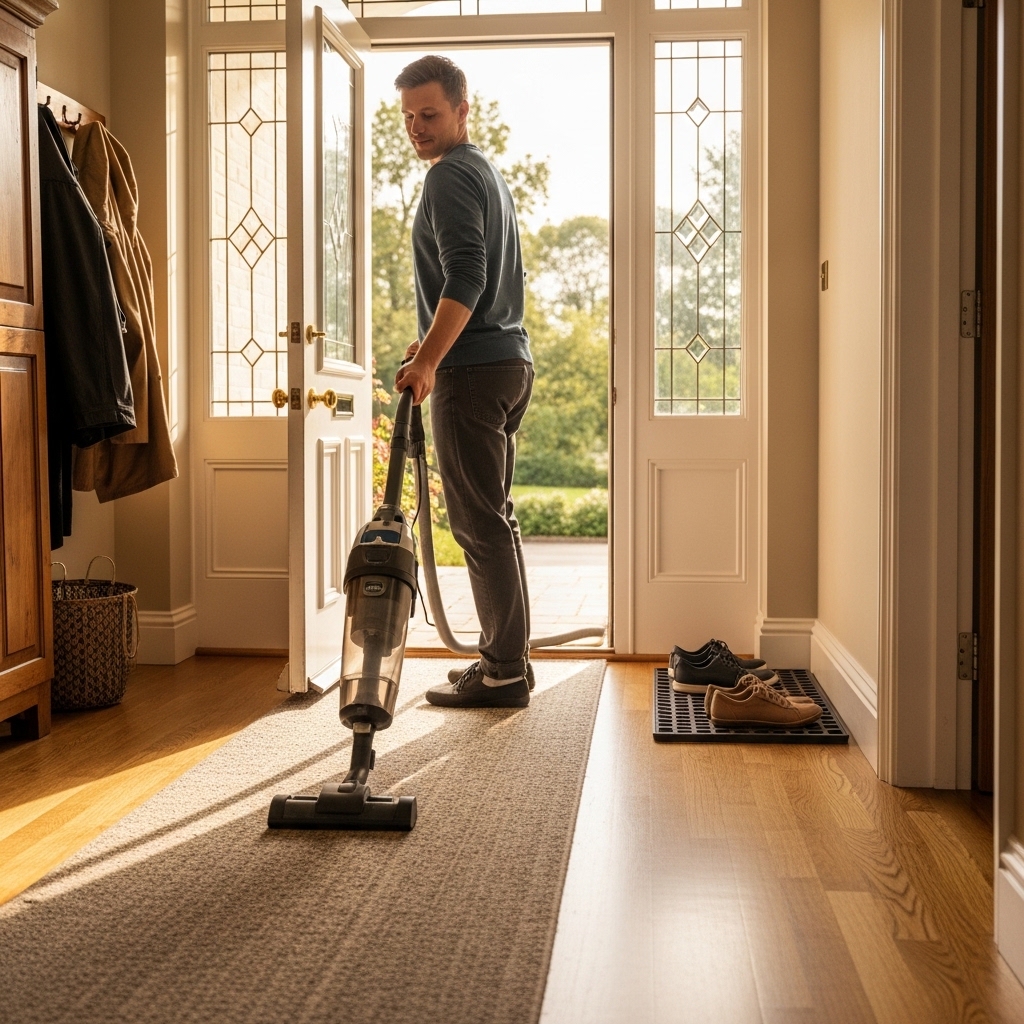
Small daily actions add up. Sweep or vacuum high-traffic areas to reduce grit and sand that abrade fibers. Shake or beat small rugs outdoors to remove dust. Encourage family members to remove shoes before walking on area rugs to minimize tracked-in dirt and oils.
Place rugs in low-risk areas when possible. Even a runner in a busy hallway benefits from a good rug pad beneath it, which reduces movement and absorbs shock from foot traffic, slowing wear.
Choosing the Right Vacuum Settings and Tools
Vacuum technology matters. Adjustable height settings allow you to match suction to pile height; use low suction for delicate fibers and higher suction for dense, low-pile rugs. If your vacuum has a beater bar, turn it off for shag or delicate rugs to prevent fiber damage.
Regularly replace or clean vacuum filters to maintain efficiency, and consider a vacuum with HEPA filtration to reduce allergens in the home. For stubborn dirt, a professional-grade vacuum or periodic professional cleaning will extract embedded soils more effectively than household vacuums alone.
Spot Cleaning Techniques That Preserve Fibers
When a spill happens, act quickly. Blot with a white cloth to absorb as much liquid as possible. Apply a mild cleaning solution — often a dilution of distilled white vinegar and water for general organic stains — and blot until the stain lifts. Rinse by dabbing with plain water and blot dry. Avoid rubbing, which spreads stains and frays fibers.
For greasy or oily stains, use an absorbent powder like cornstarch, let it sit to draw out oil, then vacuum and treat the residue. For tough stains, consult a professional rather than risking harsh chemicals that can damage colors or fibers.
Dealing with Pet Messes and Odors
Pet accidents require enzyme-based cleaners that neutralize odor molecules rather than masking them. Remove solids, blot liquids, and apply the enzymatic solution per product instructions. Multiple treatments and a final rinse can be necessary for older stains. Deodorize with baking soda between cleanings and vacuum thoroughly.
To prevent future incidents, create designated pet areas with washable mats and reinforce training routines. Regular grooming reduces shedding and helps keep rugs cleaner longer.
Seasonal Routines and Deep Cleaning Frequency
Rugs in entryways and family rooms likely need deep cleaning once or twice a year, while rugs in low-traffic bedrooms may only need professional cleaning every 18 to 24 months. Seasonal cleaning includes rotating rugs to even wear, cleaning underside areas, and inspecting for moths or pests.
For homeowners comfortable with a careful DIY approach, low-moisture cleaning or spot extraction machines can refresh rugs. Avoid blanket steam-cleaning for sensitive fibers or antiques; those are best handled by experts.
Handling Fringe and Edge Care
Fringe is vulnerable to tangling and damage. Avoid vacuuming the fringe directly; instead, gently shake and lay flat to dry if it gets wet. For knots and tangles, hand-detangle while fringe is slightly damp, and trim loose threads rather than pulling them to prevent further unraveling.
Edge wear can be slowed by using rug pads and rotating furniture. If edges start to unravel, consult a professional for binding or serging to restore the rug’s perimeter.
Storage and Seasonal Protection
When storing rugs, clean them thoroughly first, then roll them with the pile inward and wrap in breathable cotton fabric. Avoid plastic, which can trap moisture and promote mold. Store in a cool, dry, and pest-free environment. Use moth deterrents that are safe for textiles, and check stored rugs periodically for signs of insect activity.
Choosing Cleaners and Green Options
Select pH-neutral cleaners compatible with your rug’s fibers. For eco-friendly options, many biodegradable solutions effectively clean without harsh chemicals. Always perform a colorfastness test before applying any new cleaner to the entire rug.
Avoid using household cleaners designed for hard floors — these can leave residues and cause discoloration on textile fibers. If in doubt, consult product instructions or a professional cleaner.
Common Problems and How to Address Them
Problem areas include crush marks from furniture, fading from sunlight, and persistent odors. Crush marks can often be restored by steaming lightly and gently lifting fibers with a soft brush. Fading requires preventive measures like window coverings, UV filters, or rotating rugs to minimize exposure.
Persistent odors may indicate underlying issues like pet urine or mold; addressing the source rather than just deodorizing is essential. If remediation efforts fail, professional cleaning and restoration may be necessary.
FAQ
Q: How do I know if my rug needs professional cleaning? A: If stains are set, odors persist after treatments, the rug is antique or handmade, or the backing appears damaged, seek professional help.
Q: Can I use household detergents on my rug? A: Household detergents can leave residues or be too alkaline for natural fibers. Choose pH-neutral, fiber-appropriate cleaners and test first.
Q: Will vacuuming damage my rug? A: Proper vacuuming will not damage rugs and actually preserves them by removing abrasive particles. Use appropriate settings for pile height and turn off beater bars for delicate textures.
Final Notes and Actions
Rug care for homeowners in Elizabeth is a blend of vigilance and smart maintenance decisions. Establish a routine that includes regular vacuuming, prompt stain response, seasonal rotation, and selective professional cleaning. These practices will maintain both the look and functionality of your rugs.
For difficult stains, delicate fibers, or when you prefer professional expertise, reach out to experienced cleaning professionals who can evaluate and treat your rugs correctly. Professional intervention can restore beauty and ensure longer life for your most cherished textiles. Consider a consultation with a qualified provider for comprehensive cleaning solutions and advice: professional rug cleaning.