
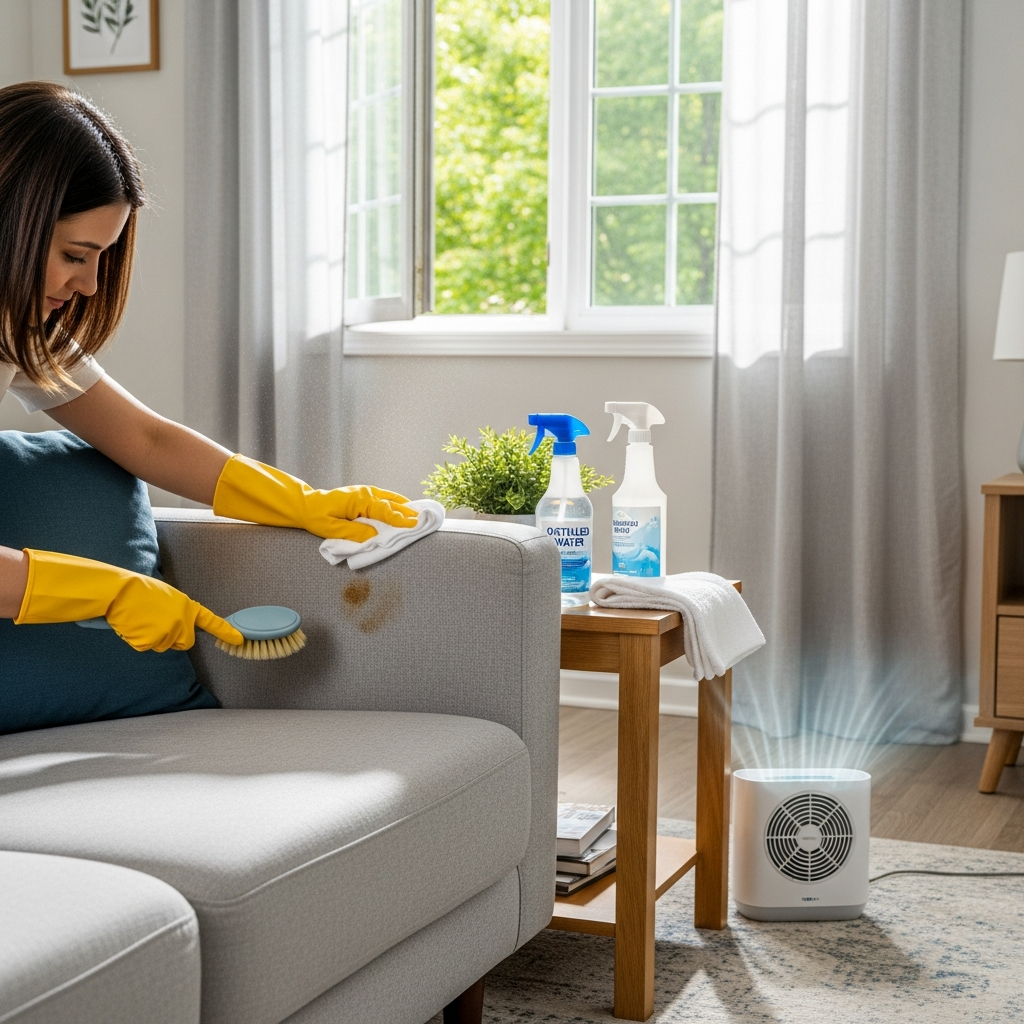
Welcome to your beginner-friendly roadmap to a healthier, fresher sofa in Elizabeth, New Jersey. Whether you live near the bustling Port Newark–Elizabeth Marine Terminal or in a quiet tree-lined neighborhood, everyday life in Union County can be tough on upholstery. Kids, pets, winter slush, humid summers, and daily use leave behind soil, oils, allergens, and odors that slowly dull your fabric’s color and comfort. This guide walks you through simple, safe steps to care for your sofa, explains fabric codes and tools, and shows you how to build a routine that works for Elizabeth’s seasons. Early on, you will also see when it makes sense to complement DIY care with trusted help, such as a reputable sofa cleaning service, while still keeping most maintenance in your own hands.
As a beginner, you might feel uncertain about where to start. The truth is, great results come from a smart sequence: identify your fabric, remove dry soil, pre-treat spots, carefully clean, and fully dry. With the right approach, you can lift stains, reduce allergens, and extend your sofa’s life without damaging the fibers or causing water marks. Let’s break it all down with easy-to-follow steps tailored for Elizabeth, NJ homeowners.
Understand Your Sofa’s Fabric And Cleaning Codes
Before you clean, locate the manufacturer tag—often under a seat cushion or along a seam. You’ll usually see a code that guides your method:
- W: Water-based cleaning allowed. You can generally use mild water-based solutions.
- S: Solvent-based cleaning only. Avoid water; use a specialized solvent for dry cleaning of upholstery.
- W/S: Either water-based or solvent-based methods are acceptable. Test first.
- X: Vacuum only. Leave stain removal to professionals and never wet clean.
In Elizabeth’s mixed climate—cold winters and humid summers—choosing the correct method matters even more, because slow drying can lead to odors or mildew if you overwet water-cleanable fabrics. Always test your cleaner on a hidden area, blot with a white cloth, and check for color transfer or texture change before you treat visible spots.
Gather Beginner-Friendly Tools And Supplies
You don’t need expensive gear. Start with the basics and build as you go:
- Vacuum with upholstery and crevice attachments
- Soft-bristle upholstery brush
- Clean white microfiber cloths or cotton towels
- Spray bottles labeled “Cleaner” and “Rinse”
- Distilled water (reduces mineral rings)
- Mild pH-balanced upholstery detergent (for W or W/S fabrics)
- Solvent-based upholstery cleaner (for S or W/S fabrics)
- Rubbing alcohol (for specific solvent spot tests on S fabrics)
- Small fan or dehumidifier (useful in humid Elizabeth summers)
- Protective gloves and a mask if you’re sensitive to dust or solvents
Set The Stage: Prep Your Space And Your Sofa
Preparation prevents messes and ensures even results:
- Open windows if the weather is mild, or set a fan to promote airflow.
- Remove throw blankets and pillows; wash or clean them per their labels.
- Check beneath cushions for debris and lost items.
- Take before photos in good lighting—helpful for tracking progress.
Step 1: Dry Soil Removal
Dry soil acts like sandpaper and can wear down fibers, so start here:
- Vacuum seams and crevices first with the crevice tool, then broad surfaces with an upholstery tool.
- Use short overlapping passes and a light touch to protect delicate weaves.
- Brush nap gently with a soft-bristle brush to lift crushed pile and release embedded dust.
You’ll be amazed how much brighter the fabric looks after a thorough vacuuming. This single step can remove a large portion of dulling soil, pollen from Elizabeth’s springtime trees, and pet dander.
Step 2: Spot And Stain Pre-Treatment
Treat spots before you address the entire sofa. Identify the stain type and select a cleaner suited to your fabric code:
- Food and drink: For W or W/S fabrics, apply a small amount of mild upholstery detergent diluted in distilled water. Blot—never rub—to lift the spill.
- Oily residues (skin oils from armrests, butter, salad dressing): Use a solvent cleaner for S or W/S and a detergent followed by a rinse for W codes.
- Pet accidents: Blot immediately, use an enzyme-based cleaner approved for your fabric, and rinse lightly with distilled water on W fabrics.
- Ink: For S code, a careful dab with rubbing alcohol on a cotton swab can help. Test first and blot gently.
Always perform a colorfastness test and follow a blot-blot-blot rhythm from the outer edge of the stain toward the center. Rinse W fabrics with a light mist of distilled water and blot dry to minimize rings.
Step 3: Overall Cleaning For Beginners
Once spots are addressed, clean the entire piece to even out appearance and prevent tide marks.
- For W or W/S: Mix a small amount of upholstery detergent in distilled water following product directions. Lightly mist the fabric—do not oversaturate. Work in sections.
- Gently agitate with a soft brush or cloth using short, circular motions.
- Rinse by misting distilled water and blotting with clean towels until no suds remain.
- For S code: Use a solvent-based upholstery cleaner per label, ensuring good ventilation. Apply sparingly and blot, avoiding heavy saturation.
- For X code: Vacuum only. Seek professional help for stains.
Midway through your first full clean, pause and assess progress. If you notice shadowy patches or recurring rings, adjust your technique—use less solution, more blotting, and more frequent towel changes. If you prefer to combine your DIY routine with a trusted local team at this stage, many Elizabeth homeowners coordinate periodic visits for deep sofa cleaning while maintaining weekly upkeep on their own.
Step 4: Drying—The Make-Or-Break Moment
Proper drying prevents odors and resoiling:
- Blot thoroughly with clean, absorbent towels to remove as much moisture as possible.
- Position cushions upright with small gaps between them to encourage airflow.
- Use a fan on low or a dehumidifier, especially helpful during sticky Elizabeth summers.
- Avoid direct heat or intense sunlight, which can fade colors or shrink delicate fibers.
Allow the sofa to dry completely before replacing throws or sitting down. In winter, your home’s heating may dry upholstery faster, but ensure humidity isn’t too low to avoid static and brittle fibers.
Beginner Mistakes To Avoid
- Overwetting W fabrics, causing water rings or mildew.
- Using colored towels that can transfer dye.
- Rubbing stains aggressively, which can distort the weave.
- Skipping the rinse step on W fabrics, leaving sticky residue that attracts dirt.
- Cleaning only the stained area and creating a visible “clean patch.”
Allergy And Air Quality Considerations In Elizabeth, NJ
Elizabeth’s coastal location means seasonal pollen, harbor particulates, and urban dust can settle into your sofa. Regular vacuuming with a HEPA-equipped machine reduces allergens. After a major pollen event or an indoor gathering, add an extra vacuum session. During humid stretches, run a dehumidifier to discourage dust mites and musty odors.
Pet Owners: A Gentle Path To A Cleaner Sofa
Pets bring joy—and fur. For a beginner-proof routine:
- Before vacuuming, put on a slightly dampened rubber glove and wipe cushions to gather hair into clumps.
- Use a lint brush for seams and a crevice tool for corners.
- Spot-treat pet soils quickly. Enzyme cleaners help break down organic matter on W fabrics.
- Air out cushions in a sunny room (indirect sunlight) and increase airflow to reduce lingering pet odors.
Build A Simple Sofa Care Routine
Consistency beats intensity. Start with a plan you can stick to:
- Weekly: Vacuum all sides of cushions and the frame; brush nap lightly.
- Monthly: Address armrest darkening and edge soiling with targeted spot cleaning.
- Quarterly: Do an overall clean (per code) and rotate flippable cushions.
- Seasonally: In summer, emphasize fast drying and dehumidification; in winter, protect from dry heat and static.
When Children Or Guests Visit
Life in Elizabeth can be busy—birthday parties, game nights, and family visits. Lay washable throws over high-contact areas, keep a caddy with white cloths and a gentle cleaner nearby, and treat spills right away. The quicker you act, the simpler your beginner routine stays.
Eco-Conscious Choices
If you prefer a greener approach, select low-VOC products and microfiber cloths that last through many washes. For W fabrics, distilled water and gentle plant-based detergents can be effective. Ventilate well, and avoid home-brewed mixtures that may be too alkaline or leave residues.
Fabric-Specific Pointers For Beginners
- Microfiber (polyester): Excellent for families; responds well to light detergent on W/W/S labels. Use a soft brush to restore texture after drying.
- Linen: Often S or W/S. Minimize moisture and blot with patience to prevent rings.
- Velvet: Test carefully. Use a soft brush to align the nap after cleaning and drying.
- Leather (coated or aniline): Not the same as fabric. Use leather-specific cleaners and conditioners; avoid water unless specified by the manufacturer.
Deodorizing Without Damage
Odors linger in upholstery because fibers and foam absorb airborne particles. After cleaning, keep windows cracked on pleasant days in Elizabeth. For W fabrics, a very light, well-rinsed detergent application followed by complete drying works wonders. Avoid excess fragrance sprays that can leave residues and attract soil.
Preventative Protection
Consider applying a fabric protector compatible with your sofa’s code, especially if you host frequently or have pets. Always test first to ensure it doesn’t affect color or feel. Protection makes future cleanups faster and reduces the risk of permanent stains.
Storage And Moving Tips For Apartment Dwellers
For those moving between buildings in Elizabeth’s busy neighborhoods, wrap cushions in breathable covers. Avoid plastic for long-term storage because trapped moisture can cause odors. During moves, protect edges and legs to prevent scuffs that catch and fray upholstery threads later.
Mid-Clean Troubleshooting For Beginners
- Stubborn ring after spot cleaning: Very lightly re-wet just beyond the ring with distilled water, then blot with clean towels, feathering the boundary.
- Darkened armrests return quickly: Remove body oils with the right cleaner, rinse W fabrics, and protect with washable arm covers or a fabric protector.
- Color looks patchy: Ensure even, light application and complete rinsing; do a gentle overall clean to blend.
Frequently Asked Questions
Q: How often should a beginner clean a frequently used family-room sofa in Elizabeth, NJ?
A: Vacuum weekly, spot-clean as needed, and plan a light overall clean quarterly. If the sofa sees daily snacks, young kids, or pets, increase vacuuming to twice a week.
Q: What if I don’t know my fabric code?
A: Start with dry soil removal only and call the manufacturer or check purchase records. If you must proceed, test cautiously in a hidden area and avoid overwetting until you’re sure.
Q: Can I steam clean my sofa?
A: Only if the label allows and you’re confident with moisture management. Many beginners do better with light detergent and blotting. Excess steam can set stains or cause color loss.
Q: Why do water rings appear?
A: Residual minerals and uneven drying cause rings. Use distilled water, apply moisture evenly, and blot thoroughly to minimize them.
Q: Are enzyme cleaners safe for all fabrics?
A: No. They’re great for many W-coded fabrics when used correctly. Always test first and follow with a light rinse and fast drying.
Q: How can I reduce dust and odors during humid summers in Elizabeth?
A: Use a dehumidifier, keep windows closed on very humid days, vacuum more frequently, and dry upholstery with fans after any cleaning.
Q: What’s the best way to keep cushions looking full?
A: Rotate and flip (if possible) every month, and gently knead to redistribute fill. Brushing the surface also helps maintain a uniform appearance.
Q: Is leather included in these steps?
A: Leather needs different products and methods. Follow leather-specific guidance and avoid water-based fabric detergents.
Your Beginner Action Plan
- Identify your fabric code and gather a basic kit.
- Vacuum thoroughly—think seams, crevices, and surfaces.
- Spot-clean from the outside in with minimal moisture.
- Perform a light overall clean, rinse W fabrics, and dry fully.
- Adopt a routine that matches Elizabeth’s seasons and your household’s activity level.
Ready To Refresh Your Sofa In Elizabeth, NJ?
You now have the confidence and steps to make beginner-friendly progress on any sofa. If you want even faster results or need help with delicate fabrics, combine your new routine with a trusted local partner. Start today by scheduling or learning more about expert sofa cleaning, then maintain the fresh look weekly. Your living room will feel brighter, cleaner, and more welcoming through every New Jersey season.