
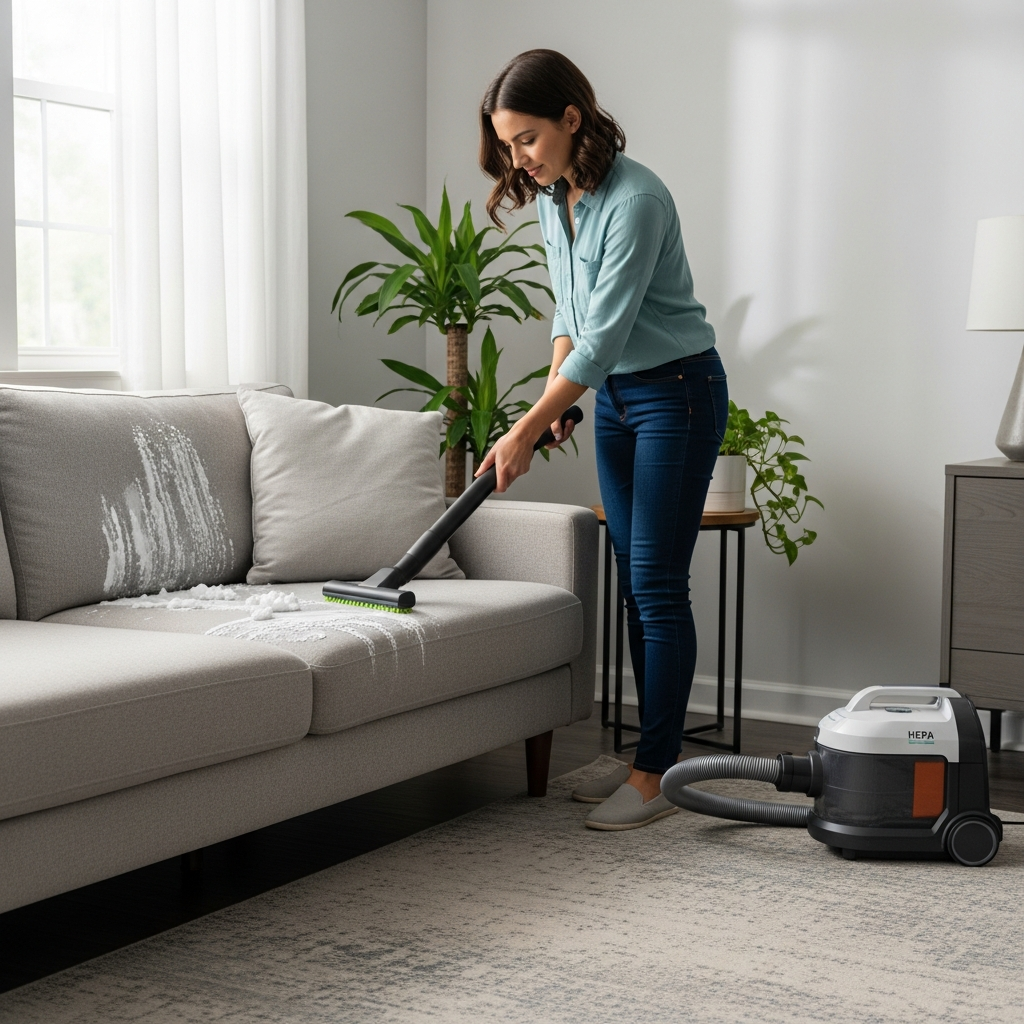
Not every sofa benefits from wet cleaning. In Elizabeth, New Jersey—where apartment living, quick turnarounds, and humidity swings complicate drying—dry sofa cleaning can be the smarter path to a fresher home. Low-moisture and solvent-safe approaches remove soils, tackle odors, and reduce allergens while minimizing the risk of water marks or long dry times. This guide outlines practical techniques you can use today, explains when to pause for expert help, and shows how to fit dry cleaning into a seasonal plan tailored to local conditions. If you want an easy reference at your fingertips while you work, consider bookmarking a trusted page on sofa cleaning and return here for dry-method specifics.
Why Dry Cleaning Methods Matter for Sofas
Many upholstery fabrics carry an S or X cleaning code, indicating that solvent-based or vacuum-only methods are preferred. Even water-tolerant fabrics can react poorly to heavy moisture, developing rings, browning, or slow drying that invites musty odors. Dry cleaning methods target soil and odor with controlled chemistry and meticulous agitation, sparing delicate fibers and finishes.
Understanding Common Dry Methods
Solvent-based spot cleaning addresses oils, adhesive residues, crayons, makeup, and body-contact shine. A small amount applied to a towel, transferred carefully to the fabric, can lift soils without flooding fibers.
Absorbent compound cleaning uses a soft, sponge-like medium that absorbs soil from the fabric surface. After gentle working and dwell time, the compound is vacuumed away, removing suspended dirt and light odors.
Encapsulation uses low-moisture polymers to surround soil particles. Once dry, the brittle residue is vacuumed out, leaving the fabric cleaner and less prone to rapid re-soiling.
Thorough vacuuming with a HEPA-equipped machine removes dry particulates, allergens, and dander before any product is used. This is the cornerstone of successful dry methods.
Elizabeth, NJ Environmental Factors
Winter brings heated, drier air that encourages static and can pull moisture from fibers, making them feel brittle. Summer humidity can cause slow drying and stale odors if moisture is added. Dry cleaning methods sidestep both extremes by limiting water while still removing the grime and allergens that accumulate during closed-window months.
Step-by-Step Dry Sofa Cleaning Workflow
Inspect the fabric and check the cleaning code. Look for color loss, seam weakness, or loose buttons and trim. Vacuum thoroughly using a soft brush, reaching into seams and under cushions. Pre-test your chosen dry method in an inconspicuous area. For spot cleaning, apply solvent to a towel, touch the stain gently, and lift away soils through blotting. For absorbent compounds, distribute a light layer, work gently with a soft brush in consistent strokes, allow proper dwell time, and vacuum completely. For encapsulation, apply the recommended amount, agitate lightly, let it dry, and vacuum residue. Finish by grooming the fabric nap in a uniform direction to restore appearance.
Odor Management Without Excess Moisture
Odors linger when residues remain in the fabric or cushion core. Dry methods target surface soils effectively; for deeper odor, consider multiple light passes rather than a single heavy application. Increase airflow during and after cleaning to carry odors away, and avoid heavily perfumed deodorizers that mask rather than remove smells. In multi-pet households, pair frequent vacuuming with dry cleaning cycles to stay ahead of dander and body oils that cause persistent scents on arms and headrests.
Allergen Reduction in Apartments and Townhomes
Dust mites thrive in textiles, and city living adds outdoor particulates to indoor air. A HEPA vacuum used weekly on sofas, especially under cushions and along seams, reduces allergen reservoirs. Encapsulation products can help release fine soils that are otherwise difficult to remove, and absorbent compounds are particularly effective when paired with thorough vacuuming. Keep windows closed on high-pollen days and use fans to circulate and filter air within the space.
When Dry Methods Outperform Wet Cleaning
Solvent-only fabrics, vintage upholstery with fragile dyes, and moisture-sensitive natural fibers often respond best to dry cleaning. If you have experienced browning, rings, or slow drying from prior wet cleanings, switching to low-moisture approaches can stabilize the appearance and reduce odors without risking water issues.
Common Missteps to Avoid
Applying solvent directly to the sofa rather than to a towel increases risk of over-application and fabric damage. Skipping the pre-vacuum step leaves grit that can scratch fibers during agitation. Rushing dwell time reduces cleaning effectiveness, and insufficient final vacuuming can leave residues that attract new soil.
Pairing Dry Cleaning With Routine Care
Establish a schedule that fits your household. In Elizabeth, many homes benefit from a deep dry cleaning at seasonal transitions, with light spot care in between. Rotate cushions regularly to distribute wear and reduce shiny patches on armrests. Treat spills immediately with blotting before they set.
Special Situations: Smoke and Kitchen Odors
Urban apartments near busy streets or close to shared kitchens can carry faint smoke or cooking scents into upholstery. Dry methods, complemented by airflow and filtration, gradually reduce these odors. Absorbent compounds can be particularly helpful at capturing odor-causing residues without adding moisture.
Evaluating Professional Help
When stains are complex, fabrics are delicate, or odors persist despite your best efforts, trained technicians can combine multiple low-moisture techniques safely. Reviewing reputable approaches to sofa cleaning services will show you how fabric identification, pre-testing, and controlled chemistry come together for consistent results on S or X coded upholstery.
FAQs: Dry Sofa Cleaning and Allergen Tips
Q: Is dry cleaning safe for all sofas? A: It is best for S and X coded fabrics and for moisture-sensitive natural fibers. Always test before proceeding.
Q: Will dry cleaning remove pet odors completely? A: It can significantly reduce them, especially with repeated light treatments and diligent vacuuming. Deep, old odors may require targeted approaches beyond the surface.
Q: Can I use baking soda on my sofa? A: On many fabrics, a light application followed by thorough vacuuming can help with minor odors. Always test first and avoid heavy, embedded residues.
Q: Do I need a special vacuum? A: A vacuum with strong suction and a soft brush attachment works; a HEPA filter improves allergen capture.
Q: How often should I clean in high-pollen seasons? A: Increase vacuuming frequency and consider additional light dry-cleaning passes when windows remain closed and air recirculates.
Q: Are strong fragrances a good sign? A: Fragrance is not cleaning. Prioritize soil removal and proper ventilation over masking scents.
Make Your Elizabeth Sofa Fresher, Faster
Dry sofa cleaning gives you cleaner fabric, fewer allergens, and better odor control with minimal downtime—ideal for fast-paced urban living. For delicate textiles, complex odors, or a coordinated refresh across multiple rooms, consider scheduling trusted experts in professional sofa cleaning who use fabric-aware, low-moisture methods suited to Elizabeth, New Jersey homes.