
Fabric sofas shape the heart of homes throughout Elizabeth, New Jersey. They anchor family movie nights, hold stacks of schoolbooks, and welcome friends for weekend gatherings. Keeping that centerpiece fresh takes more than the occasional vacuum pass. It requires smart fabric identification, the right cleaning method for the job, and a plan that fits the seasons and pace of your household. This guide compares do-it-yourself strategies with professional approaches so you can choose confidently. If you want a quick reference as you plan your routine, start with a reputable resource on sofa cleaning and return here for a deeper dive focused on Elizabetha0NJ living.
Know Your Fabric Before You Clean
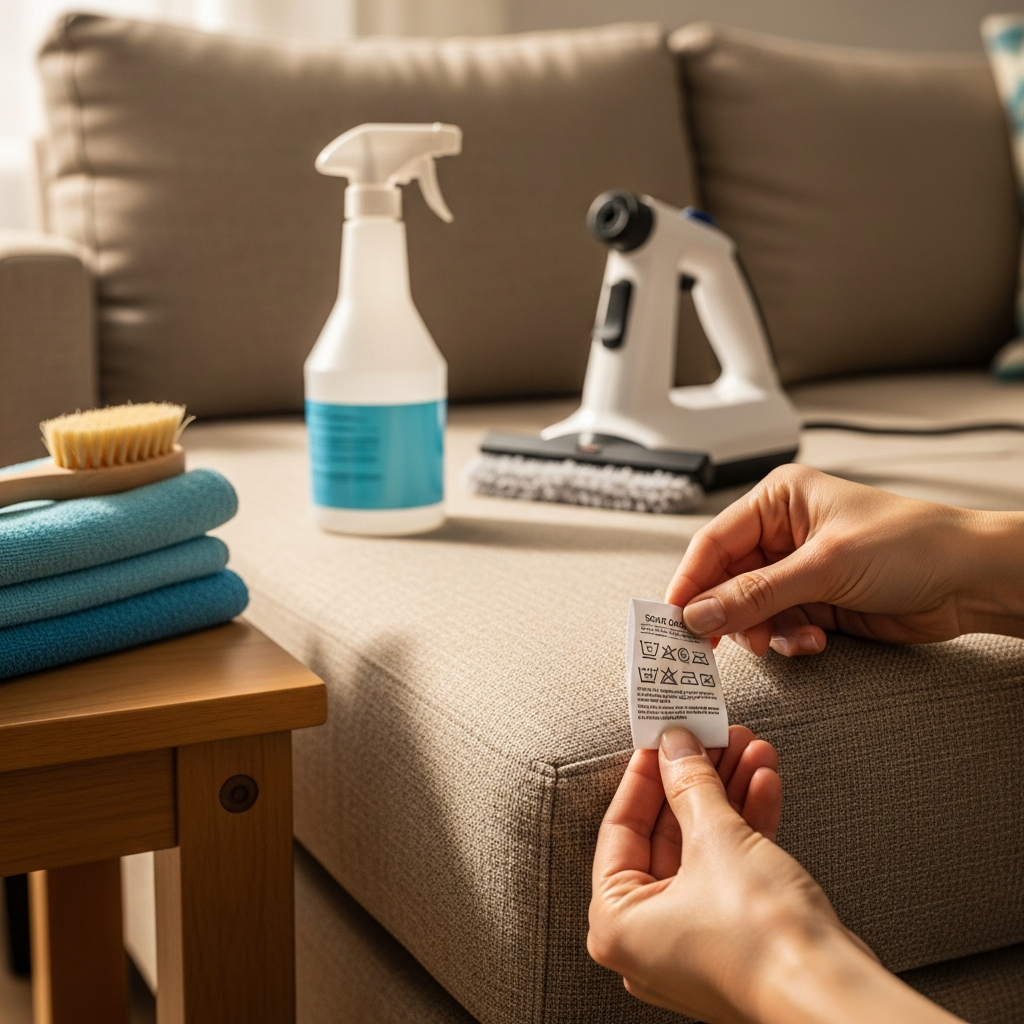
Most sofas carry a cleaning code on the tag. W means water-based methods are generally appropriate. S indicates solvent-only methods. WS or SW allows both options with testing. X means vacuum-only, where agitation and dry soil removal are your primary tools. Beyond codes, fiber content and weave influence outcomes. Polyester and nylon resist moisture and stains better than rayon (viscose), linen, or certain fine cottons that can brown, shrink, or develop rings with too much water.
Texture matters too. Microfiber is resilient but can develop shading; gentle grooming restores its uniform look. Chenille and loose weaves snag easily, requiring lighter agitation. Printed fabrics risk pattern distortion if scrubbed. Always test a discrete spot before proceeding.
DIY Tools That Make a Difference
A vacuum with strong suction and a soft brush attachment, white microfiber towels, a spray bottle for controlled application, pH-neutral upholstery cleaner, a solvent-safe spotter for S-coded areas, a soft grooming brush, and a small fan for drying are excellent starting points. Keep all supplies together so you can act quickly on fresh spills.
DIY Workflow for Water-Safe Fabrics
Begin with thorough vacuuming. Lift cushions, reach into seams, and remove dry soils that would otherwise become muddy residue. Pre-treat high-contact areas such as armrests and headrests with a mild, fabric-safe solution. Work in small sections, apply lightly, and allow brief dwell time. Blot—do not rub—with a clean towel. If you proceed to wet cleaning on W or WS fabrics, use minimal moisture, overlapping strokes, and immediate blotting to control wetness. Direct airflow across the surface for faster drying and to prevent rings.
DIY Workflow for Solvent-Only Fabrics
For S-coded upholstery, vacuum meticulously first. Apply a small amount of an appropriate solvent to a towel, then transfer it to the fabric by blotting—never pour directly onto the sofa. Work gradually and finish with a thorough vacuum after any dry compound or encapsulation step to remove residues. Aim for multiple light passes rather than one heavy treatment.
When DIY Works Best
Light soils, routine maintenance, and small, fresh spills are prime candidates for DIY care. Households with pets that shed benefit from frequent vacuuming and immediate blotting, which remove allergens and prevent stains from setting. A steady rhythm—weekly vacuuming and periodic targeted touch-ups—keeps sofas presentable without heroic efforts.
When to Consider a Professional
Delicate fibers, solvent-only codes, vintage pieces, dye-heavy prints, or large-scale staining often call for expert hands. Trained technicians identify fibers accurately, select compatible chemistry, and control moisture and heat to avoid rings, shrinkage, or color changes. If your home sees heavy use, or if humidity and drying conditions are challenging, professional timing and equipment can produce safer, more consistent outcomes. To understand what a meticulous service looks like, review how reputable sofa cleaning services handle fabric identification, testing, stain removal, and drying from start to finish.
Stain Removal Fundamentals
Classify stains quickly: protein (milk, egg), tannin (coffee, tea, wine), oil (makeup, lotions, food grease), and dye (ink, markers). Blot immediately, working from the outside inward. Use cool solutions for protein, cautious brightening for tannins on water-safe fabrics, targeted degreasers for oils, and carefully tested solvents for inks and dyes. Always rinse lightly—often just a damp towel pass—to remove residues, and accelerate drying to avoid halos.
Elizabeth, NJ Climate Tips
In winter, indoor heating speeds evaporation but can leave some fibers brittle. Use airflow to dry quickly but avoid hot, direct blasts that cause distortion. In summer humidity, dehumidification and air conditioning shorten dry times and reduce the risk of musty odors. Plan your deeper maintenance for days when you can run fans and keep traffic off the furniture for several hours.
Pet Households and Allergy Considerations
Fur and dander settle fastest along seams and under cushions. A weekly vacuum with a crevice tool removes the bulk before it embeds. For odor-prone zones, use repeated light treatments and airflow rather than drenching. Pair your sofa routine with regular floor and air filter maintenance so allergens captured in one area are not reintroduced elsewhere.
Common DIY Mistakes
Rubbing aggressively frays fibers and spreads stains. Skipping the rinse step leaves sticky residues. Overwetting pushes moisture into cushion cores, leading to slow drying and possible odors. Ignoring the cleaning code invites color loss and browning. Neglecting airflow causes water rings and wick-back that make stains reappear.
Building a Seasonal Maintenance Plan
Map your calendar to your living patterns. After summer, remove sunscreen and humidity residues. Mid-winter, refresh high-contact areas after closed-window months. In spring, clear dust that accumulated from heating season. Before holiday gatherings, groom the nap and spot-check for visible marks on armrests and seat fronts.
Protective Habits That Pay Off
Rotate cushions routinely to distribute wear. Use armrest covers or throws in high-use zones when needed. Keep a small home stain kit ready so you can strike fast when accidents happen. Encourage a shoes-off policy in carpeted living rooms to reduce grit that transfers to sofas.
Integrating DIY and Professional Care
The most dependable results come from a partnership approach. Home care prevents small issues from becoming big ones, while periodic expert service re-sets the fabric by removing embedded soils and addressing complex stains. Over time, this cycle maintains color, texture, and comfort without overworking the fibers.
FAQs: DIY vs Professional Fabric Sofa Cleaning
Q: How do I know if my sofa can handle water-based cleaning? A: Check the tag for W or WS, then test a hidden area for colorfastness and texture stability before proceeding.
Q: What if my sofa has no tag? A: Perform careful tests, observe how the fabric reacts, and consider consulting a specialist for fiber identification.
Q: Can I remove ink myself? A: Sometimes, with tested solvents and patience. Results vary; avoid aggressive rubbing that spreads the mark.
Q: Why does a stain return after drying? A: Wick-back occurs when moisture draws deeper residues to the surface. Use minimal moisture, blot thoroughly, and dry with airflow.
Q: Is a steam machine safe for all fabrics? A: No. Some fibers brown, shrink, or bleed under heat and moisture. Confirm code and test first.
Q: How often should I schedule deeper maintenance? A: Align it with your householda0traffic, pets, and allergy needs. Consistency beats occasional heavy efforts.
Q: Are fragrances helpful? A: Fragrance is not cleaning. Prioritize soil removal and proper drying; a neutral scent is a good sign.
Choose the Right Path for Your Elizabeth Home
With accurate fabric ID, smart tools, and patient technique, DIY maintenance keeps your sofa inviting between deeper services. When delicate fibers, persistent stains, or drying challenges raise the stakes, bring in trusted experts in professional sofa cleaning for a careful reset. Either way, a steady rhythm of care will keep your Elizabeth, NJ living room comfortable, clean, and ready for whatever the week brings.