
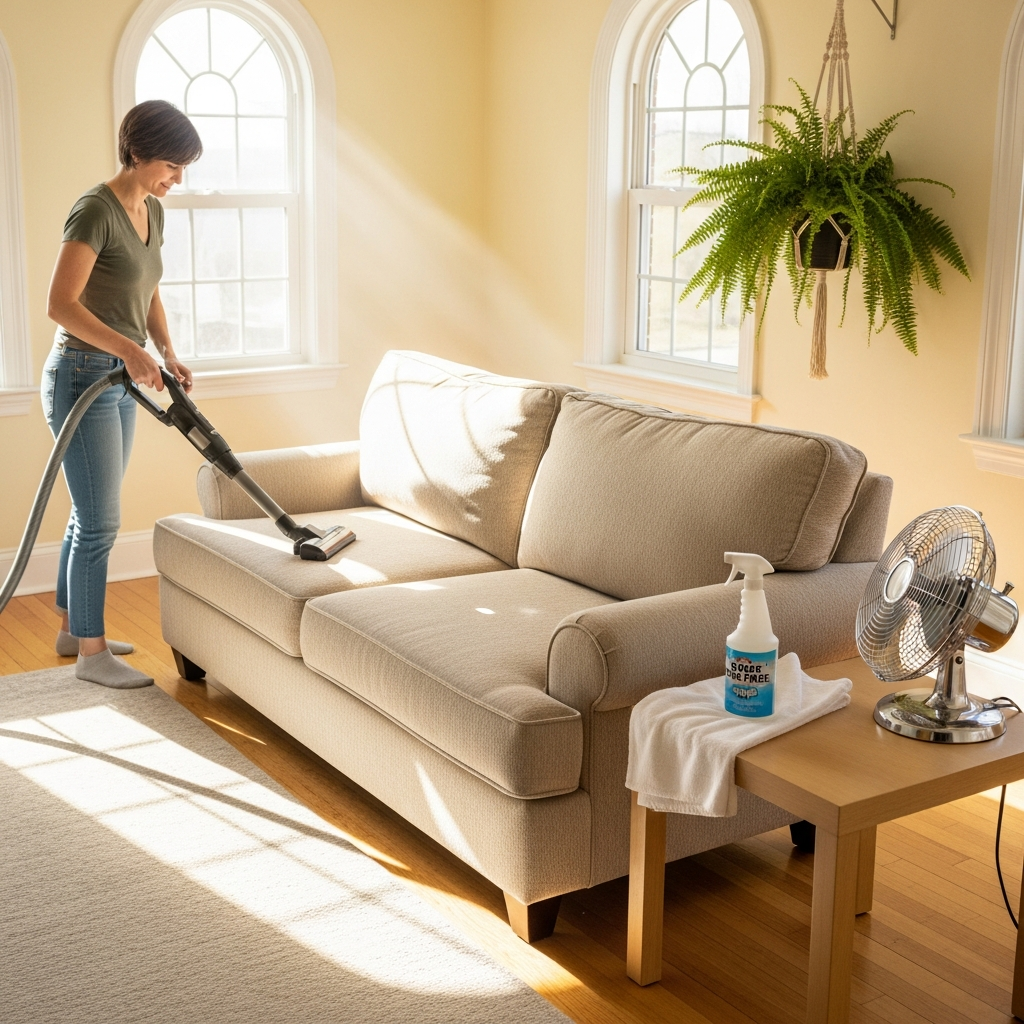
Cleaning a sofa at home in Elizabeth, New Jersey, can be straightforward when you match the method to your fabric, your space, and the local climate. Whether you live near Elizabeth Avenue, Elmora, Peterstown, Bayway, or Elizabethport, a careful approach prevents water rings, color loss, and lingering odors. With the right steps and a patient touch, you can handle routine maintenance and many common spills without risking damage. If a problem proves stubborn or you simply want a deeper refresh, you can always explore professional sofa cleaning that builds on your DIY efforts.
Before you begin, read the manufacturer’s label and note any cleaning codes. These codes guide what kind of products and moisture levels are safe for your upholstery. They are a starting point, not the final word—always test in an inconspicuous area first. Remember that Elizabeth’s seasonal humidity can influence drying times and the risk of browning or water marks, especially on natural fibers. Open a window when weather permits, or run a fan to move air across cushions.
Know Your Fabric and Cleaning Codes
- W (Water-Based Cleaners): You can use mild water-based solutions. Avoid overwetting by wringing out your cloths thoroughly.
- S (Solvent-Based Cleaners): Use solvent spotters designed for upholstery. Ventilate well and follow label instructions carefully.
- WS (Water or Solvent): You have flexibility—choose water-based or solvent spotters depending on the stain and fabric response.
- X (Vacuum Only): No liquids. Stick to dry soil removal and consult a professional for stains.
These codes help you avoid missteps that might cause dye migration, shrinkage, or texture changes.
DIY Toolkit for Elizabeth Homes
- Upholstery Vacuum Attachment: For slow, thorough passes that lift grit and dust.
- White, Lint-Free Towels: Prevent color transfer and help you see soil you remove.
- Soft-Bristle Brush: For gentle agitation without roughing up fibers.
- Spray Bottles: One for your cleaning solution, one for plain water if your fabric allows.
- Mild Detergent or Fabric-Safe Cleaner: Always test first.
- Small Fan: Useful for speeding evaporation in humid months.
Having everything ready reduces mistakes and keeps your workflow smooth.
Step-by-Step Home Sofa Cleaning
- Vacuum Thoroughly: Use the upholstery tool, working slowly with overlapping passes. Pay attention to seams, crevices, and under cushions.
- Test a Hidden Spot: Apply your chosen cleaner to an inconspicuous area, blot, and check for dye transfer or texture change after drying.
- Pre-Treat Stains: For water-safe fabrics, lightly spray the spot and blot. For solvent-only fabrics, dab the appropriate spotter on a towel and press gently.
- Clean in Sections: Work one small area at a time. Lightly apply solution, gently agitate with a soft brush, and blot. Avoid soaking the fabric.
- Rinse if Allowed: If the fabric is water-safe, follow with a light mist of plain water and blot again to remove residues.
- Groom and Dry: Brush the nap in one direction, position cushions to allow airflow, and use a fan if needed.
Patience is essential. Rushing leads to overwetting, water rings, and uneven results. Take breaks, let each section dry, and revisit only if necessary.
Targeting Common Stains
Food and Drink: Blot immediately. For water-safe fabrics, a mild solution of detergent and water (lightly applied) can lift sugars and dyes. Rinse lightly and blot dry.
Oils and Grease: Sprinkle a small amount of cornstarch to absorb fresh oil, then vacuum. Follow with a solvent spotter on S or WS fabrics, applying to the towel first, not directly to the sofa.
Pet Accidents: Blot thoroughly. For water-safe fabrics, use an enzymatic cleaner according to label directions, then blot and allow to dry with airflow.
Makeup and Ink: Many inks are permanent once set. Try a solvent spotter carefully on S or WS fabrics, and stop if dye transfer occurs.
Managing Moisture and Dry Times
Elizabeth’s summers can be humid, which slows drying and raises the risk of wicking—stains that reappear as moisture travels up through the fabric. Combat this by using minimal liquid, working in small sections, and increasing airflow. In winter, indoor heating can speed drying but may leave fibers feeling stiff if residues remain. A light rinse on water-safe fabrics, followed by thorough blotting, helps keep textures soft.
When to Call in the Pros
- Set-In Stains: Old wine, ink, or dye transfer often need professional solvents and extraction.
- Delicate Fabrics: Velvet, silk blends, and some linens require precise techniques to avoid pile distortion or water marks.
- Persistent Odors: Pet accidents that reached the cushion core benefit from deep, targeted treatments.
- Allergy Concerns: Professional extraction removes fine particles that DIY vacuums can miss.
There is no shame in handing tough problems to specialists. You protect your investment and your time by choosing expertise when needed.
Mid-Guide Tip: Pair DIY with Periodic Deep Cleaning
Home upkeep keeps soils from building up, but fibers still benefit from occasional professional rinsing to restore color and texture fully. By alternating DIY maintenance with expert service, you get the best of both worlds: control over daily care and periodic resetting of the fabric. When your living room needs that deeper refresh, consider professional sofa cleaning that respects your fabric and your schedule.
Apartment and Home Considerations in Elizabeth
In walk-ups and high-rises, plan around elevator availability or stairwell width. Protect corners with towels or guards when moving cushions in and out. If your building has quiet hours, schedule cleaning steps that involve fans or louder vacuums earlier in the day. For single-family homes, take advantage of cross-ventilation by opening windows on opposite sides to create a steady breeze across the sofa.
Preventive Care that Pays Off
- Weekly Vacuuming: Slow passes with the right attachment remove abrasive grit that wears fibers down.
- Cushion Rotation: Flipping and rotating weekly balances compression and reduces seam stress.
- Sunlight Control: Position shades to protect fabrics from fading.
- Washable Throws: Place them on popular seating spots to catch body oils and pet hair.
- Spot Quickly: The faster you blot, the better your chance of full removal.
These small routines extend your sofa’s lifespan and keep it looking inviting between deep cleanings.
Dealing with Specific Fabrics
Microfiber: Use a lightly dampened cloth and gentle circular motions to avoid water rings. Brush the nap after drying for a uniform look.
Linen Blends: Favor low-moisture spot cleaning. Blot with a lightly damp towel and dry quickly with airflow to prevent ripples.
Cotton: Test first. Cotton can brown if overwet. Use minimal liquid and follow with thorough blotting.
Velvet and Chenille: Work with the nap, not against it. Minimal moisture and careful grooming are essential.
Leather: Vacuum crevices first, then wipe with a product designed for leather care. Finish with a conditioner to maintain suppleness.
Solving Odor Issues
Apartment kitchens and living rooms often share space, so cooking aromas can settle into upholstery. Regular vacuuming, prompt spill management, and periodic professional treatments all help. In pet-friendly homes, a washable throw is your best friend for capturing hair and dander. For stubborn smells that persist despite blotting and surface cleaning, deeper cushion treatments may be required.
Frequently Asked Questions
- Can I use baking soda on my sofa? A light sprinkle can help with mild odors on many fabrics. Vacuum thoroughly afterward. Test first on delicate materials.
- How often should I DIY clean? Vacuum weekly and perform light spot cleaning as needed. Plan a deeper DIY session every few months, with professional help annually or biannually.
- What if water leaves rings? That is a sign of overwetting or residue. Re-wet the area lightly, blot thoroughly, and dry with airflow. If rings persist, consult a pro.
- Are store-bought cleaners safe? Choose fabric-specific products and always test first. Avoid high-alkaline cleaners that can damage fibers.
- How do I protect against future stains? Apply a fabric protector suited to your upholstery. Follow directions carefully and allow full curing.
- Is it safe around kids and pets? Use mild, fabric-appropriate products, ventilate well, and store chemicals out of reach.
- Can I wash cushion covers in a machine? Only if the label permits. Colors may shift or shrink otherwise. Always close zippers and wash on gentle.
- What if I have no outdoor space to air-dry? Use fans and open windows to create cross-ventilation inside your home.
Finish Strong with a Healthy Routine
DIY sofa care works best when it is consistent, gentle, and matched to your fabric. Take your time, avoid shortcuts that risk damage, and know when to ask for help. When you are ready for a deeper reset that leaves your living room extra fresh, arrange professional sofa cleaning and enjoy a couch that looks, feels, and smells like your favorite spot again.