
What to Expect From Professional Sofa Cleaning in Elizabeth, NJ
Your sofa anchors everyday life—movie nights, weekend naps, family gatherings—and it quietly collects dust, body oils, crumbs, and the occasional spill. Inviting a trained technician to restore it can feel like a leap of faith. This guide walks you through the process step by step so you know exactly what will happen and how to prepare. If you are beginning to compare local options for sofa cleaning, the overview below will help you anticipate a smooth visit and results you can see and feel.
While each provider has its own techniques, reputable teams share common habits: careful inspection, informed product selection, responsible moisture control, and clear communication about what is realistic. Understanding these touchpoints allows you to evaluate expertise and choose the approach that best suits your fabric and household.
The Pre-Visit: Scheduling and Preparation
Once you book, you will typically receive a confirmation with date, time window, and simple preparation tips. Technicians may ask about your fabric code (W, S, WS, or X), if known, as well as the sofa’s age, prior cleaning history, pet usage, and any notable stains. This information helps them arrive with appropriate tools and spotters.
On the day before service, a quick reminder ensures access details are set. If you live in a building with limited parking or elevator reservations, arranging logistics ahead of time keeps the appointment efficient. It is also helpful to clear the sofa of removable items—throws, toys, decorative pillows without zippers—and vacuum lightly so the technician can focus on embedded soils.
Arrival and Walk-Through
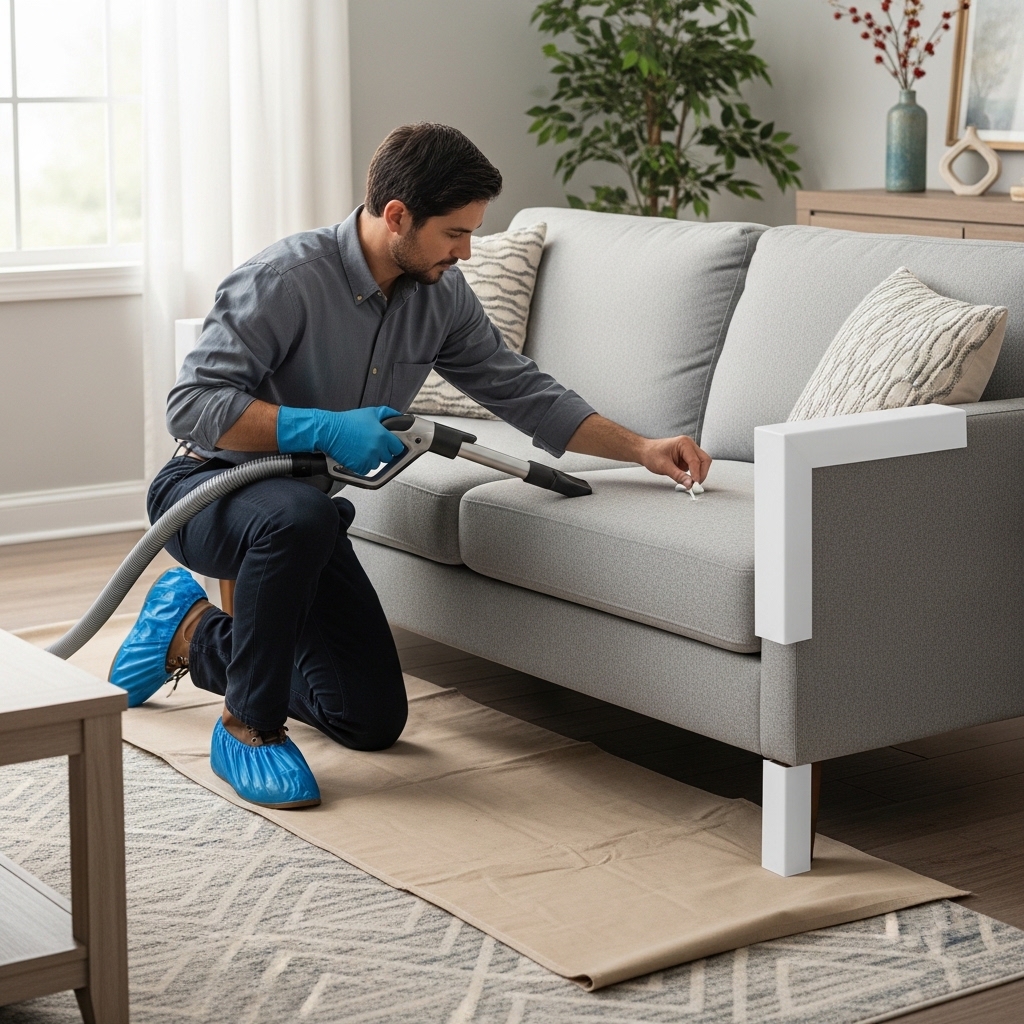
You can expect protective measures right away: shoe covers, corner guards to protect walls, and absorbent mats near work areas. The technician will tour the space, confirm the fabric type, and ask you to highlight any concerns: pet spots, spilled wine, makeup, ink, or darkened armrests from frequent use. They will also identify nearby flooring that needs protection during cleaning.
A spot test in an inconspicuous area follows. This test checks colorfastness and texture response to chosen products, ensuring your fabric tolerates the method. Testing is a hallmark of professionalism and prevents surprises.
The Cleaning Plan: Methods Explained
After inspection and testing, a plan is outlined. The selected method depends on fabric code, construction details, and soil level. Here are the most common approaches you might see in Elizabeth homes:
-
Hot Water Extraction: Carefully controlled application of heated solution followed by powerful vacuum rinse. Excellent for many W/WS fabrics when moisture is managed and pH is balanced.
-
Low-Moisture Encapsulation: Ideal for quick dry times and certain performance fabrics. Soils are surrounded by polymers and later removed through routine vacuuming.
-
Solvent-Safe Techniques: Used for S-coded fabrics that do not tolerate water-based cleaning. Requires specialized solutions and light handwork to reduce rings and texture changes.
-
Specialty Spotting: Targeted stain treatments for oils, proteins, dyes, and tannins. A conservative approach protects color and fiber integrity.
Step-by-Step During the Visit
-
Pre-Vacuum: Dry soil removal with an upholstery tool reduces grit and improves cleaning efficiency.
-
Pre-Condition: A fabric-appropriate solution is applied to loosen embedded soils. Dwell time allows chemistry to work.
-
Agitation: Soft brushes or upholstery pads gently work solution into fibers without damaging the weave.
-
Rinse and Extraction or Solvent Treatment: Either a water-based rinse flushes soils and residues, or a solvent-safe process lifts soils with minimal moisture.
-
Targeted Spotting: Specific spots are re-treated as needed with stain family-appropriate agents.
-
pH Balancing and Neutralization: Ensures the fabric is left residue-free to resist re-soiling.
-
Grooming: Fibers are combed or brushed to restore texture and prevent matting.
-
Accelerated Drying: Air movers, fans, and towel extraction speed the drying process to reduce downtime.
Communication Throughout
A seasoned professional narrates important steps so you are never in the dark. They explain why a certain solvent or low-moisture method is chosen, describe realistic outcomes for set stains, and obtain your approval for any advanced spotting with potential risks. This transparency builds trust and helps you make informed decisions if trade-offs arise.
Drying Expectations and Aftercare
Dry times vary by fabric, method, and airflow. Many sofas can be used later the same day once dry to the touch. Your technician may recommend keeping ceiling fans on or opening windows when weather permits. Be cautious about replacing throws or arranging pillows until the sofa is fully dry to prevent imprinting or color transfer.
Post-cleaning, routine maintenance keeps results fresh. Vacuum weekly with an upholstery tool, rotate cushions, and blot spills promptly with plain white towels. Avoid harsh spotters; when needed, use a fabric-safe cleaner recommended by your technician, and test in an inconspicuous area first.
Local Nuances in Elizabeth, New Jersey
Elizabeth’s varied housing—walk-ups, high-rises, and single-family homes—introduces logistics that technicians plan around: parking, stairwells, and elevator timing. Weather matters too. Summer humidity can slow evaporation; winter heat accelerates drying but may require anti-static attention for certain synthetics. Local pros anticipate these conditions and adapt their approach for safety and efficiency.
Health and Home Benefits
Beyond appearance, professional attention supports a healthier indoor environment. Sofas trap fine particles, allergens, and pet dander. Thorough vacuuming and rinsing reduce residues that otherwise recirculate. Families with sensitive members often notice improved comfort after fibers are flushed and reset.
Common Add-Ons and When They Make Sense
-
Fabric Protection: Helps repel spills, buying time to blot before absorption. Particularly helpful for lively family rooms and homes with guests.
-
Pet Odor Treatments: Enzyme and specialty solutions target protein-based residues and uric crystals associated with accidents.
-
Deodorizing: Leaves a neutral, clean scent without heavy perfumes.
-
Allergen-Reduction Focus: Extra passes and filtration for sensitive households.
What Won’t Happen: Setting Realistic Expectations
No ethical professional guarantees removal of every stain or promises an overnight transformation if the fabric’s color is faded from sun or wear. Some dye-transfer marks from clothing or old ink can be permanent. The goal is a meaningful improvement in cleanliness, texture, and overall evenness, with full transparency about any limitations discovered during testing.
How to Choose the Right Provider
Evaluate training, experience with your fabric type, and a clear workflow. Look for evidence of testing, moisture control, and color-safety practices. Ask how they protect adjacent flooring and furniture and how they manage wicking. Responsiveness, punctuality, and respectful communication are strong signals of quality.
Mid-Process Considerations
Sometimes, during cleaning, a technician sees that a different method will yield safer or better results. For instance, a WS fabric that behaves like an S fabric during testing may require a pivot to lower moisture. Such changes should be explained and approved. Providers who document their steps and communicate throughout deliver peace of mind.
FAQs: Professional Sofa Cleaning
How often should we schedule a visit? Frequency depends on use, pets, and household preferences. Many families find that regular attention maintains appearance and hygiene effectively.
Can you clean attached cushions? Yes. Pros adjust techniques for tight crevices and attached backs, using hand tools and careful airflow management.
Will cleaning change the feel of the fabric? Proper rinsing and grooming restore a soft, natural hand. Residue-free fibers often feel better than before.
Do you move the sofa? Most cleaning occurs in place, with protection for surrounding surfaces. Minor adjustments may be made to reach all sides.
Is there a strong smell afterward? Reputable teams avoid heavy perfumes. A light, clean scent may dissipate as the sofa dries.
Putting It All Together
From arrival to drying, the best experiences are methodical and predictable: test, prepare, loosen, rinse or solvent-clean, spot-treat, balance, groom, and dry. This sequence safeguards color and structure while delivering visible improvement. With a clear understanding of each step, you can welcome a technician with confidence and enjoy a revitalized centerpiece in your living room.
Explore Your Options
If you are curious how different Elizabeth providers handle inspection, method selection, and drying strategies, compare their approaches to professional sofa cleaning and ask about testing for your specific fabric. Clarity up front leads to smoother appointments and better outcomes.
Ready for a Fresher Sofa in Elizabeth?
Reclaim the comfort and cleanliness of your living space with help from a careful, well-trained team. Book a convenient appointment and enjoy the difference that thoughtful methods and attentive aftercare can make by choosing a trusted sofa cleaning service that prioritizes safety and long-term fabric health.