
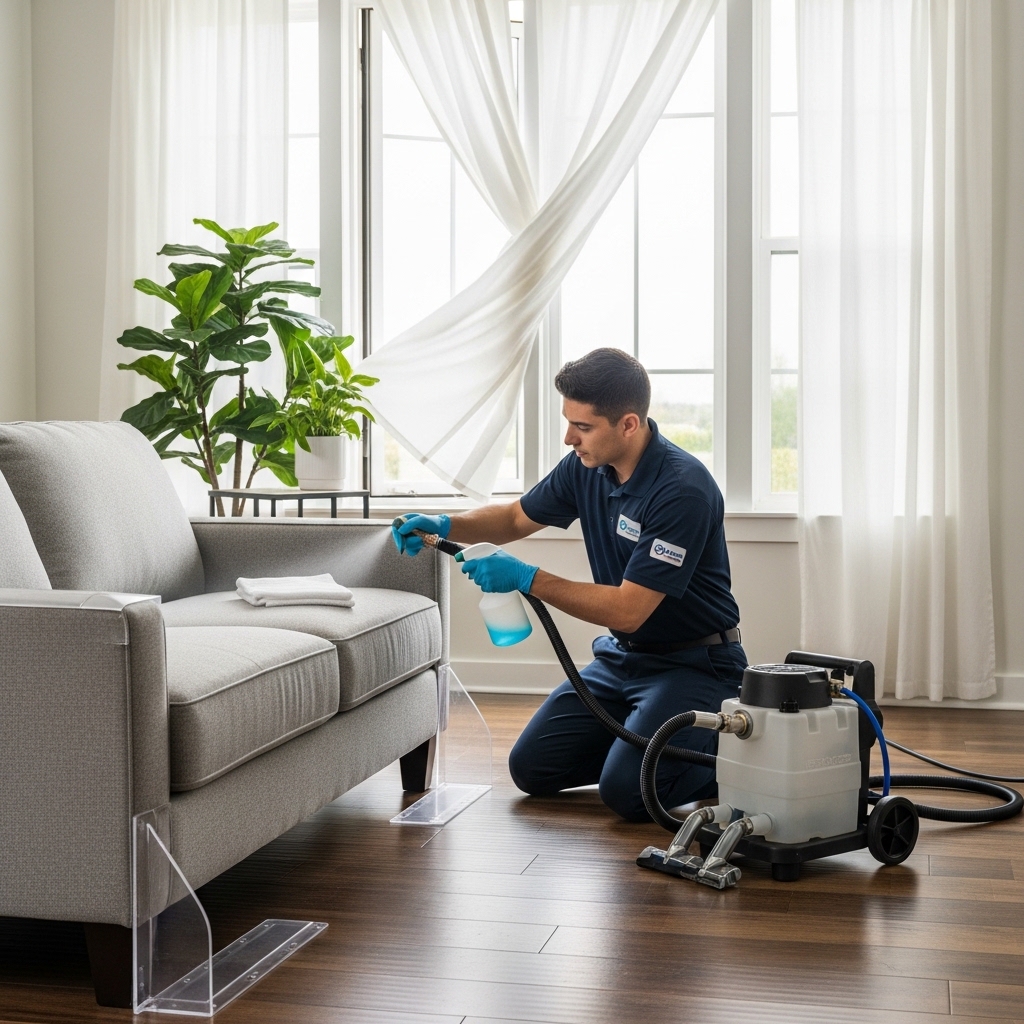
Understanding How Sofa Cleaning Services Are Structured in Elizabeth, NJ
When you search for help bringing a tired couch back to life, you quickly discover that sofa care in Elizabeth, New Jersey involves a lot more than a quick vacuum. Between fabric types, soil conditions, pet issues, and drying requirements, every project is unique. This guide explains how service providers typically structure their offerings, what variables shape the scope of work, and how to plan for results that match your expectations. In the first moments of your research, it helps to compare local approaches to sofa cleaning so you understand what a thorough, responsible visit looks like.
Think of this as a practical roadmap rather than a list of numbers. You will learn the major factors that shape a visit, the common service tiers, the techniques that may be used, and the add-ons that are sometimes recommended for lasting cleanliness and fabric health. By the end, you will know how to evaluate proposals, communicate preferences, and ensure the right fit for your household’s needs, whether your sofa is a stain-resistant performance fabric, a delicate linen blend, or a durable microfiber.
Key Variables That Shape a Sofa Cleaning Visit
Before discussing service levels, it is essential to understand the variables that influence how much time and effort a technician must invest. These elements determine the approach, equipment, solutions, and number of passes required for a satisfying outcome.
-
Fabric Type and Code: Sofas often carry a care code (W, S, WS, X). These codes dictate whether water-based or solvent-based methods are appropriate and how aggressive or gentle the process can be. For example, cotton, linen, and rayon blends can be absorbent and prone to browning, while microfiber can release soils efficiently with the right technique.
-
Construction Details: Piping, tufting, attached back cushions, cushion zippers, and hidden linings influence access and drying. Delicate trims may require hand cleaning, extending the visit.
-
Soil Load and Stains: Daily body oils, snack spills, pet accidents, and general city dust accumulate in different ways. Heavy soil requires more pre-conditioning and dwell time. Specific stains like ink, wine, makeup, and dye transfer from clothing demand targeted spotting and patience.
-
Age and Maintenance History: Sofas that have not been professionally cleaned in years typically need more agitation and multiple rinse passes. Conversely, a well-maintained couch responds faster to standard methods.
-
Colorfastness and Previous Cleaners: Off-the-shelf sprays and home remedies can set stains or alter colorfastness. A technician must test carefully to avoid unwanted changes.
-
Access and Building Logistics: Walk-up buildings, limited parking, and narrow staircases influence setup time. Proper preparation keeps equipment clean and protects your home.
-
Drying Requirements: Some textiles dry quickly after low-moisture methods, while others need air movement, towel extraction, and post-grooming to speed evaporation.
Common Service Levels and What They Include
Although each company uses different names, many organize their visits into levels that reflect the intensity of work. Knowing these typical tiers helps you compare approaches.
-
Maintenance Refresh: Aimed at regularly maintained household sofas. Includes inspection, dry soil removal, light pre-conditioner, gentle agitation, hot water extraction or low-moisture cleaning as appropriate, and speed drying. Best for mild soils, no complex spots.
-
Deep Clean: Adds heavy pre-conditioning, dwell time, mechanical or hand agitation, and multiple rinse/extraction passes. Often includes targeted spotting for common household spills and an application to neutralize odors from general use.
-
Restorative Clean: Designed for high-use couches with complex issues. May include advanced stain removal attempts, enzyme treatments for protein-based soils, oxidation or reduction techniques for dye issues (when safe), and extended drying measures. Not every stain can be fully removed, but fibers are thoroughly flushed and reset for improved appearance and hygiene.
Add-On Services You Might Consider
Add-ons are tailored to your sofa’s needs and your lifestyle. They are not always necessary, but they can extend cleanliness, improve indoor air, and reduce future effort.
-
Protective Treatment: An application that helps liquids bead on the surface, buying time to blot spills before they absorb. Particularly helpful for families with children or frequent entertaining.
-
Pet Odor Management: Targets residues from accidents or persistent pet oils. May involve specialized solutions that digest or neutralize uric crystals and protein soils.
-
Allergen Focus: Additional passes and filtration to reduce dust, dander, and pollen trapped in fabrics, useful during high-allergen seasons.
-
Deodorizing: Addresses general stale smells from everyday use or dampness. A good service chooses products that leave a clean, neutral finish rather than overpowering perfumes.
-
Fabric Grooming and Pile Lifting: Restores texture, reduces matting, and improves the overall look after cleaning.
How Technicians Evaluate Your Sofa
During an initial walk-through, a conscientious professional assesses your sofa’s fabric, construction, and condition. They test for colorfastness, inspect hidden areas, and ask about household routines—pets, window exposure, dining on the sofa, favorite seats, and past spotters used. This conversation helps set realistic expectations about what can be achieved in a single visit and which techniques are safest.
Expect careful note-taking about fabrics likely to wick stains from within the cushion, foam that retains moisture, and potential risks like browning on cellulosic fibers. The technician should outline a plan, including preparation, cleaning path, and drying strategy to minimize re-soiling and protect surrounding flooring or rugs.
Typical Methods Used on Fabric Sofas
Professionals select methods that align with the fabric’s code and the soil’s character. The most popular techniques include:
-
Hot Water Extraction (HWE): A balanced application of heated solution and rinse to dissolve and flush soils. Great for many W/WS-rated fabrics when paired with skillful moisture control.
-
Low-Moisture Encapsulation: Uses polymers that surround soils so they can be vacuumed away later. Useful for quick dry times and certain performance fabrics.
-
Solvent-Safe Cleaning: For S-only fabrics, a technician may use carefully selected solvents and minimal moisture to protect delicate fibers and prevent rings.
-
Specialty Spotting: Oxidizers, reducers, enzyme spotters, and volatile dry solvents are tools for specific stain families. Testing is essential to avoid color change.
Understanding Scope Without Numbers
Although this article avoids discussing money, you can still learn to compare proposals wisely. Focus on the depth of steps included, the technician’s testing process, the method chosen for your fabric code, and the drying plan. Ask how many passes are typical for your soil level and which add-ons are recommended for your household. Detailed descriptions show a provider’s commitment to results.
It also helps to compare time-on-task. A thorough visit includes setup, protection for flooring, pre-vacuuming, pre-conditioning with dwell time, agitation, rinse extraction or solvent-safe cleaning, post-spotting, pH balance or neutralization, grooming, and accelerated drying. When a provider explains how each step fits your sofa, you gain confidence in the process.
Local Considerations in Elizabeth, New Jersey
Elizabeth’s mix of multifamily buildings and single-family homes presents unique logistics. Parking and elevator access can influence setup time. Seasonal humidity affects drying; in summer, airflow is key, while in winter, indoor heat speeds evaporation but can create static on certain fabrics. Local technicians familiar with these variables plan accordingly and factor weather into their drying strategies.
Another local consideration is household lifestyle. Urban living often means frequent guests, home offices, and movie nights that center on the couch. The most-used seat may have darkened armrests or sheen from compressed fibers. A good plan pinpoints these areas for special attention and restores an even appearance across the seating surface.
What To Ask Before You Book
Clarity is your friend. Use the questions below to gauge expertise, safety, and thoroughness:
-
Which methods do you recommend for my fabric code, and how do you test colorfastness?
-
What steps are included from preparation through drying? Can you outline your contamination control (booties, corner guards, hose sleeves)?
-
How do you address recurring spots from wicking or foam issues?
-
Which products do you use for pet-related concerns, and how is odor managed?
-
What are the typical dry times for my sofa type, and do you use air movers?
-
How do you protect hardwood floors or area rugs adjacent to the sofa during cleaning?
-
If certain stains do not fully release, what re-spotting or follow-up approach do you take?
Preparing Your Home for a Smooth Visit
A little preparation adds efficiency and helps technicians focus on the most important work.
-
Clear the Sofa: Remove throws, pillows not attached to the sofa, and clutter from crevices.
-
Vacuum Ahead of Time: A quick vacuum reduces surface debris, allowing pre-conditioners to work directly on embedded soils.
-
Note Concerns: Point out spills, pet areas, and prior DIY attempts. Transparency prevents unwanted reactions.
-
Provide Access: Arrange parking or building access instructions so equipment reaches the unit quickly and safely.
-
Plan for Drying: Keep ceiling fans or portable fans available and set a path for airflow around the sofa after the visit.
Aftercare and Maintenance Intervals
Maintaining results is as important as the initial cleaning. Use clean white towels for immediate spill blotting, avoid aggressive scrubbing, and rotate cushions regularly to distribute wear. Regular vacuuming with an upholstery attachment reduces abrasive soils that dull fibers and create sheen. Depending on household traffic and pets, many families schedule professional attention on a cadence that keeps the couch fresh without waiting for visible soiling to return.
Protective treatments can buy valuable time when spills occur, making home care more effective. If applied, follow the technician’s guidance on curing time and first-use recommendations to ensure the treatment bonds correctly and performs as intended.
Comparing Service Depths in Practical Terms
Because every sofa behaves differently, consider the following when you compare plans from different providers. These elements reflect the level of craftsmanship and care you can expect.
-
Inspection Quality: Do they test in an inconspicuous area and explain potential risks?
-
Soil Suspension: Are pre-conditioners matched to your soil type (oily, particulate, protein) and your textile?
-
Agitation Method: Do they use soft brushes, microfiber pads, or mechanical tools suitable for your fabric’s weave?
-
Rinse Strategy: Is the rinse pH-balanced to avoid sticky residues that attract soil?
-
Drying Focus: Do they groom fibers, lift pile, and use airflow to minimize down time?
Mid-Project Decisions and Communication
During the visit, a proficient technician communicates what they observe as the fabric responds. If a spot lightens but does not fully release, they might ask permission to attempt a different chemistry, explain the risks, and proceed carefully. When changes are needed—shifting from a water-based approach to a solvent-safe method, for example—transparent discussion ensures you understand the reasoning and the safeguards in place. For an informed comparison of approaches available in town, review how different providers handle professional sofa cleaning steps from pre-inspection through drying.
Common Myths About Sofa Cleaning
Myth 1: More moisture means a deeper clean. Reality: Excess moisture can cause browning, shrinkage, and prolonged dry times. Technicians aim for the least moisture necessary to rinse soils effectively.
Myth 2: All spots should disappear. Reality: Some dyes, inks, and set stains become part of the fiber. Skilled efforts can lighten and improve them, but full removal is not always possible without risking damage.
Myth 3: Any household cleaner works on upholstery. Reality: Many multipurpose sprays are too alkaline or contain optical brighteners and solvents that can distort color or texture.
Myth 4: Frequent professional care wears out fabric. Reality: Proper techniques and pH-balanced rinses preserve fibers and remove abrasive grit that accelerates wear.
Health and Indoor Air Considerations
Upholstery acts like a filter, trapping dust, pollen, pet dander, and skin flakes. Regular attention reduces the particulate load inside your home, which can be beneficial for sensitive individuals. Technicians who vacuum thoroughly and use efficient filtration help remove fine debris that vacuums alone may miss. Choosing hypoallergenic products and mild, residue-free chemistries keeps your living space feeling fresh.
Eco-Forward Practices
Many providers in Elizabeth embrace responsible practices: smart dilution to reduce product waste, targeted spotters instead of blanket application, and efficient machines that conserve water. Ask about plant-based solutions and fragrance-free options if your household prefers a neutral finish. Sustainable methods can still deliver robust results when paired with proper agitation and rinse control.
When to Consider Restorative Attention
If your sofa shows widespread darkening, flattened pile, or stubborn rings from previous DIY attempts, a restorative session can make a dramatic difference. Expect more dwell time, layered spotting, and a careful plan to manage wicking. While perfection is not always possible, the overall uniformity and cleanliness usually improve significantly, extending the usable life of the piece.
Signs of a Quality Provider
Look for clear communication, clean equipment, protective gear for your home, and a methodical workflow. Technicians should explain safety measures for sensitive fabrics, obtain permissions before advanced spotting, and provide realistic outcomes. Reviews that mention punctuality, care in set-up, and post-service follow-up are encouraging indicators.
Frequently Asked Questions
How long does a typical visit take? It depends on fabric, soil, and sofa size, but many standard projects are completed within a single appointment, with additional time for drying.
Will all stains come out? Not always. Success depends on fiber type, stain age, and prior attempts. A skilled technician can often improve or remove many common spots while preserving the fabric.
Is there an odor after cleaning? A light, fresh scent may be present temporarily. Responsible products and thorough rinsing leave a neutral, clean finish without heavy perfumes.
What about pet accidents? Specialized enzymes and targeted rinses address residues and odors. Communication about where incidents occurred enables focused treatment.
How soon can we sit on the sofa? Many fabrics are ready for light use once dry. Your technician will recommend timing based on the method used and airflow in your home.
Do I need to move the sofa? Often, cleaning occurs in place. Technicians will protect surrounding flooring and adjust positioning as needed to access all sides and cushions.
Planning Your Next Steps
Now that you understand the moving parts of a thorough visit—fabric codes, soil levels, method selection, and drying—you can engage confidently with a local specialist. Share your priorities, ask about inspection and testing, and discuss aftercare to preserve results. A well-structured plan returns your sofa to a clean, comfortable centerpiece of your living room.
Ready for Fresher Seating in Elizabeth?
Your home deserves upholstery care that balances fabric safety with visible, lasting freshness. If you are looking to schedule attentive work with clear communication and careful technique, reach out to a trusted local team. Book a convenient time and enjoy the comfort of a revitalized couch with a dedicated sofa cleaning service focused on quality and care.