
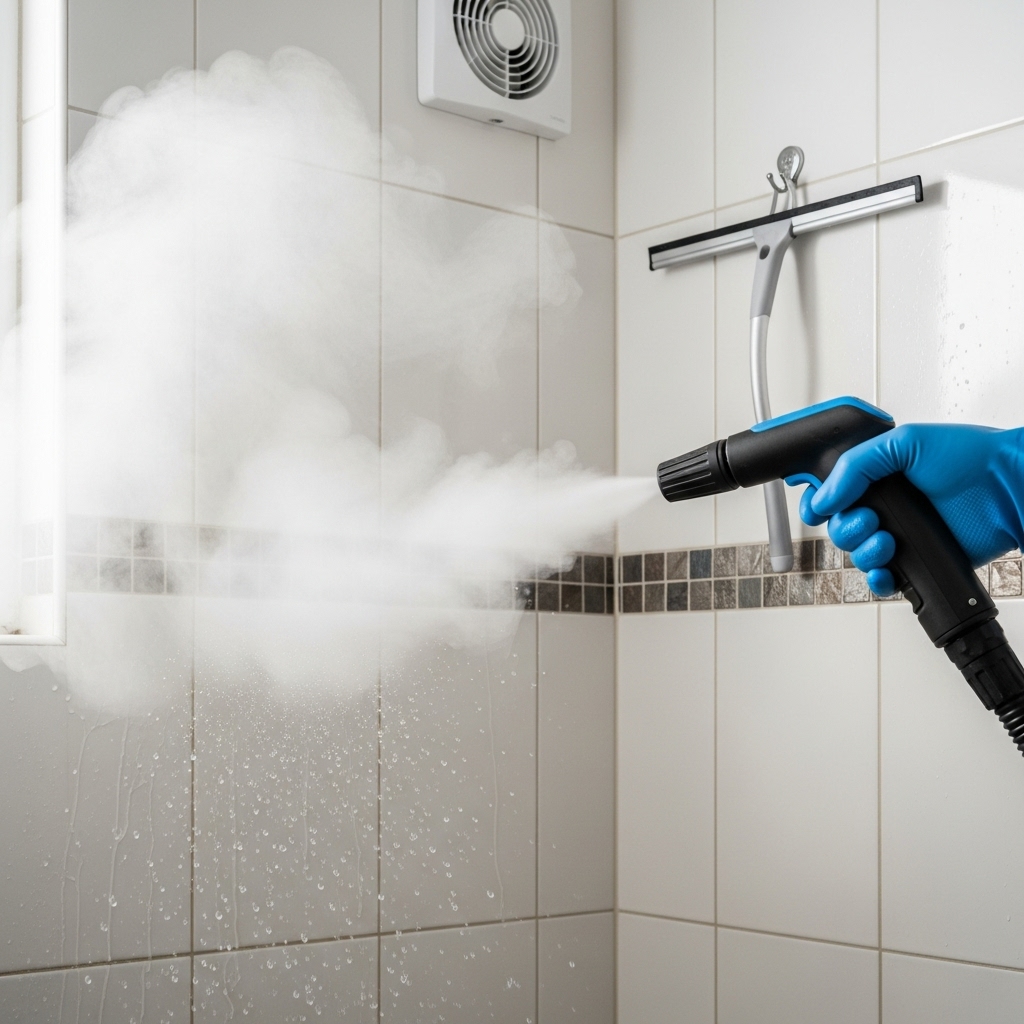
Steam Tile and Grout Cleaning in Elizabeth, New Jersey: Pros and Cons
Steam is a compelling idea: harness heat and moisture to loosen soil, lift sticky films, and refresh grout without harsh chemicals. For Elizabeth, New Jersey homeowners dealing with winter salt residue in entryways, kitchen grease near the stove, and soap scum in showers, steam cleaning promises a simpler path to clean surfaces. Yet steam is not a universal solution. Its strengths shine in specific scenarios, and its limitations matter—especially on sensitive materials or where moisture control is critical. This in-depth guide explains how steam cleaning works, where it excels, where it struggles, and how it compares with other methods. To see how professionals integrate steam with other tools and techniques, explore comprehensive tile and grout cleaning approaches that balance safety, efficiency, and lasting results.
By the end, you will know when to reach for a steamer, when to consider alternative methods, and how to maintain your results in Elizabeth’s four-season climate.
How Steam Cleaning Works
Steam cleaning uses heated water to create vapor that helps loosen soils. When directed at grout lines or textured tile, steam can soften films and lift light build-up, making it easier to wipe away. Handheld and canister units for homeowners vary in temperature and pressure. In professional settings, steam may be used as part of a broader process that includes targeted chemistry and mechanical extraction for best results.
Pros of Steam Cleaning
- Chemical minimization: Steam can reduce reliance on strong cleaners, which is appealing in homes with sensitivities.
- Detailing power: Narrow nozzles and brushes help reach corners, edges, and tight grout channels.
- Quick touch-ups: For lightly soiled areas, steam offers an efficient refresh between deeper cleanings.
- Shower maintenance: Steam helps loosen soap scum on ceramic and porcelain tiles, making wipe-down faster.
- Residue reduction: Proper technique can leave fewer chemical residues on surfaces.
These strengths make steam a useful tool in the right context—especially for ongoing maintenance or targeted detailing.
Cons and Limitations of Steam
- Moisture management: Overuse can drive water and suspended soil into grout or beneath tiles.
- Limited heavy-soil removal: Steam often lacks the extraction power to remove deeply embedded grime on its own.
- Surface sensitivity: Natural stone like marble and limestone demands care; thermal shock or moisture can be problematic.
- Haze risk: Without proper wiping and drying, loosened residues can settle back onto tile.
- Learning curve: Effective use requires controlling dwell, distance, and speed to avoid over-wetting and to maximize soil release.
In short, steam is a smart assistant—not always the star—of a comprehensive cleaning plan.
Elizabeth, NJ Use Cases: Where Steam Fits
Local climate and housing characteristics shape how steam performs:
- Winter entryways: Steam can help loosen white salt residues, but follow with absorption and drying to prevent wicking.
- Kitchen backsplashes: Steam softens cooking film on glazed ceramic; wipe promptly to prevent streaks.
- Showers and baths: For ceramic and porcelain, steam helps with soap scum; keep it moving and ventilate well.
- Older grout joints: Narrow, uneven grout can trap moisture; limit steam time and dry thoroughly.
- Natural stone: Consult stone-safe methods first; consider neutral cleaners and gentle agitation instead of direct steaming.
Because homes in Elizabeth often blend old and new tile installations, testing in an inconspicuous spot is always wise.
Steam vs. Chemical Cleaners
Think of steam and chemistry as a spectrum. Steam can loosen soils without strong products, while chemistry—especially neutral or mildly alkaline cleaners—can dissolve oily residues more effectively. The best approach often blends both: a neutral cleaner to break down grease, followed by light steam for detailing, then thorough wiping and drying. This layering helps avoid harsh products while still delivering a complete clean.
Steam vs. Professional Extraction
Professional extraction adds two critical elements: controlled pressure and immediate vacuum recovery. Steam alone may release soil, but without extraction, residues can redeposit. In contrast, a pro pairs agitation and chemistry with strong rinse-and-recovery to pull contaminants away from the surface. Where grout lines are deeply stained or textured tile holds stubborn films, extraction makes a visible difference in uniformity.
Best Practices for Home Steam Cleaning
- Pre-clean dry: Vacuum or sweep first to remove gritty particles.
- Test surfaces: Confirm tile type and sensitivity—especially for stone.
- Use minimal moisture: Keep the steamer moving; avoid saturating grout.
- Work in sections: Steam, then wipe immediately with a clean microfiber towel.
- Ventilate and dry: Open windows or run fans; towel edges and corners to prevent wicking.
- Follow with neutral cleaner if needed: For kitchen films, a light pass with a neutral product can improve clarity.
These habits maximize steam’s strengths while reducing risks to grout and subsurfaces.
Common Mistakes to Avoid
- Lingering too long: Holding the nozzle in one spot increases moisture and risk without improving results.
- Skipping wipe-downs: Loosened soils resettle if not removed promptly.
- Using steam on damaged grout: Cracks and gaps can channel moisture beneath tiles.
- Applying steam to sensitive stone: Always verify compatibility; consider alternative methods for marble and limestone.
- Assuming steam replaces extraction: For heavy soil, steam alone rarely delivers a uniform finish.
Mindful technique and post-clean drying are your best allies.
How Pros Integrate Steam
Professionals treat steam as a precision tool rather than a cure-all. During a comprehensive service, technicians may use steam to detail corners, around fixtures, or in tight grout channels after chemistry and agitation have released soil. The immediate follow-up—rinsing and vacuum recovery—prevents residues from staying behind. This integration is why a full professional process often looks brighter and stays cleaner longer than steam-only approaches.
Maintenance After Steam Cleaning
Once you have refreshed tile and grout with steam, keep the look with a simple routine:
- Frequent dry soil removal: Sweep or vacuum high-traffic areas.
- Neutral cleaner mopping: Maintain clarity without adding residue.
- Squeegee showers: Prevent build-up and water spots.
- Spot treat promptly: Address spills and tracked-in dirt quickly.
- Seasonal check-ins: After winter, remove salt residues; before summer, address sticky films in kitchens.
If discoloration creeps back or grout remains uneven, it may be time to combine steam with stronger methods or schedule a professional reset.
Frequently Asked Questions
Is steam safe for all tile?
Steam is generally safe for sealed ceramic and porcelain when used correctly. Exercise caution with natural stone and always test first.
Will steam kill mold in grout?
Steam can loosen surface growth and improve appearance, but addressing moisture sources and proper ventilation is key to preventing recurrence. Deep staining may require additional treatment.
Can I use steam on colored grout?
Yes, but test in a hidden area to ensure no color shift. Avoid over-saturation to prevent wicking.
Why does residue return after steaming?
Without extraction, loosened soils can redeposit. Wipe immediately and consider a follow-up rinse with a neutral cleaner.
How often should I steam clean?
Use steam for periodic touch-ups or problem spots. For comprehensive resets, consider full extraction-based cleaning.
What about showers with heavy buildup?
Steam helps, but a combination of targeted chemistry, agitation, and thorough rinsing typically yields better results—especially on glass and textured surfaces.
Putting Steam in Perspective
Steam is a valuable part of the cleaning toolkit—especially for detailing and maintenance on ceramic and porcelain. Its limitations appear when grout is deeply stained, when natural stone is involved, or when large areas need a uniform transformation. In those scenarios, pairing steam with controlled chemistry and strong extraction delivers a more predictable upgrade. For a balanced approach that respects your surfaces and your time, consider professional tile and grout cleaning that integrates steam where it shines and supplements it where needed.
Refresh Your Tile with the Right Method
Choose steam for targeted touch-ups and ongoing maintenance, and choose a comprehensive service when you need a whole-room reset with crisp, even grout lines. If you are ready to see the difference a tailored process can make in your Elizabeth home, schedule expert tile and grout cleaning and enjoy a fresher, brighter space built to handle every season.