
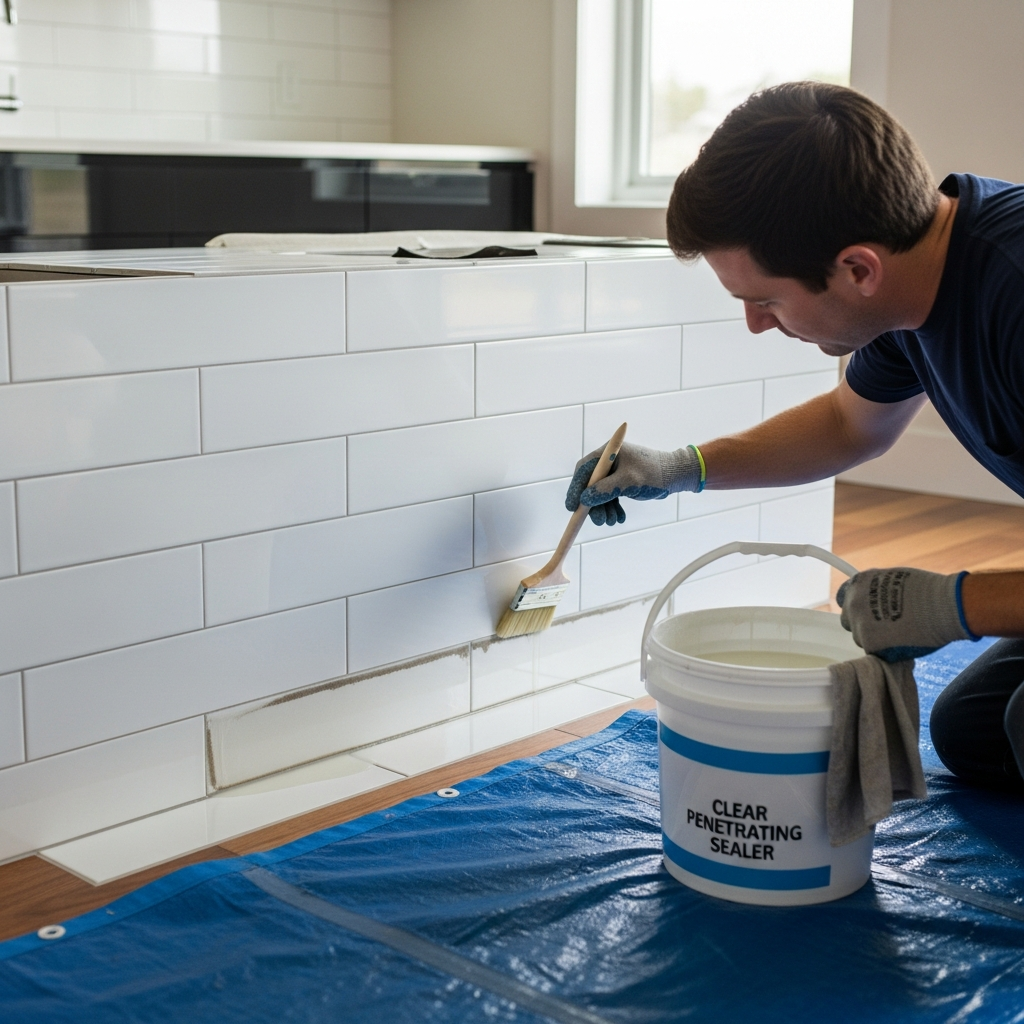
Complete tile and grout cleaning and sealing in Elizabeth, New Jersey
Few upgrades refresh a kitchen or bath as quickly as professionally cleaned and properly sealed grout. In Elizabeth, where busy homes and multifamily buildings see constant foot traffic, sealing after a meticulous cleaning makes routine care easier and helps preserve grout’s original tone. This guide explains how cleaning and sealing work together, what to expect from a service appointment, and how to maintain your newly protected surfaces over time. We will also cover material-specific considerations for porcelain, ceramic, and natural stone so your results look crisp and last longer—beginning with a practical introduction to modern tile and grout cleaning that prepares surfaces for effective protection.
Elizabeth’s neighborhoods—from Peterstown to Elmora and along the waterfront—feature a range of tile styles. Some homes boast classic ceramic floors; others feature stone accents or mosaics in showers and backsplashes. Each combination demands its own approach to cleaning and sealing so that grout stays bright and tile finishes remain true.
Why cleaning before sealing is non-negotiable
Sealer is not a magic eraser; it is a protective barrier. If soils, residues, or discoloration are sealed in, the surface may look uneven and remain difficult to maintain. Professional cleaning removes embedded grime, resets pH, and eliminates sticky films that attract dirt. This creates a clean, receptive surface so sealer can penetrate uniformly and perform as intended.
Equally important is moisture management. Sealer bonds best when grout is clean and appropriately dry. Trained technicians sequence the appointment so that cleaning, rinsing, and drying set the stage for even coverage and optimal performance.
Penetrating versus topical protection
Most grout benefits from a penetrating sealer that soaks into pores, reducing absorption of liquids and stains. By contrast, topical coatings sit on the surface and can alter the feel or sheen of tile. In many homes, penetrating sealers are preferred because they preserve a natural look while adding meaningful resistance to everyday spills and splashes.
Natural stone requires extra care. Some stones are porous and can darken temporarily during application; others are sensitive to certain chemistries. An experienced technician will identify stone type, test in a discreet area, and select a compatible product and method to protect both stone and grout without altering the intended appearance.
The cleaning sequence that sets up success
A thorough pre-inspection identifies tile and grout types, existing coatings, and areas of concern. Dry soil removal comes first to prevent abrasion. Then a targeted pre-spray breaks down residues and embedded soils, followed by controlled agitation with grout brushes and surface-safe pads. Hot water extraction or specialized rinsing lifts contaminants away. Finally, pH neutralization prepares grout for protection and helps prevent rapid re-soiling.
Only after these steps is sealer considered. The technician confirms that grout is ready, then applies the product methodically for even saturation. Excess is wiped from tile faces to prevent haze, and the area is left tidy with guidance on initial care.
Where sealing makes the biggest difference
Kitchens, with their cooking oils and colorful spills, benefit significantly from sealed grout that resists absorption. Bathrooms and showers see daily moisture and personal care products that can discolor unprotected joints. Entryways and mudrooms endure tracked-in grit and seasonal residues; sealing in these zones slows staining and helps routine cleaning work better.
Even decorative areas—backsplashes, fireplace surrounds, and accent walls—gain from sealing because splashes and airborne residues can settle on grout over time. A modest investment in protection translates into easier upkeep and a more uniform appearance across your home.
Common misconceptions about sealing
One misconception is that sealing will hide stains. It will not. Another is that once sealed, grout never needs cleaning. Sealed grout still benefits from routine care; sealing simply gives you more time to address spills before they set and makes maintenance more effective. A third misconception is that all sealers are alike. In reality, compatibility with your grout and surrounding materials matters a great deal.
There is also confusion about sheen changes. Penetrating sealers are designed to maintain the existing look of grout and tile. If you notice a sheen after application, it may indicate excess on the tile face that needs to be buffed away. Attentive technicians manage this carefully to keep finishes natural and even.
Local considerations in Elizabeth
Urban grit from sidewalks and transit hubs can accelerate soiling in entryways. Seasonal moisture in baths and laundry areas can challenge grout lines that were never sealed. In older homes, joints may be wider or more porous; in newer developments, mixed materials and decorative patterns require close attention to tool selection and application methods.
Professionals familiar with Elizabeth plan accordingly. They stage equipment to protect narrow stairways and trim, communicate with building management when needed, and respect the logistics of multifamily living. That local awareness helps ensure a smooth, efficient appointment from start to finish.
How to prepare for a cleaning and sealing visit
Clear countertops, shower ledges, and floors of small items. Provide access instructions for parking and entry, and let technicians know about any sensitive thresholds or trim. During service, plan to minimize foot traffic in active work zones and shortly afterward while surfaces are drying and protection is setting.
If you have questions about specific products used in your home, ask during the walkthrough. Reputable providers are transparent about chemistry and methods, and they welcome questions about how to maintain results.
Maintenance after sealing
Once sealing is complete, treat your surfaces gently at first according to your technician’s guidance. For everyday care, choose neutral pH cleaners made for tile, and rinse or replace mop pads so you are not redistributing films. Microfiber tools are excellent at capturing fine debris without scratching finishes.
In showers, a quick dry pass after use helps keep grout bright. In kitchens and entries, place mats at key transitions to intercept grit. Spot clean spills promptly, and avoid overly harsh or abrasive products that can degrade protection or dull finishes.
Why professional service outperforms DIY kits
DIY kits often simplify complex decisions, assuming that every tile and grout combination behaves the same. In real homes, differences in grout composition, previous coatings, and tile finishes demand tailored approaches. Professionals test, adjust, and verify throughout the process. They bring equipment that removes residues thoroughly and apply sealer evenly so protection is consistent.
Another advantage is accountability. With a professional service, you receive a clear description of what was done, which products were used, and how to care for your surfaces in the future. That documentation supports long-term results.
Frequently asked questions
Will sealing change the color of my grout? Penetrating sealers are designed to preserve the existing color. Some grout may appear slightly darker during application but should return to its normal shade as the product cures. Your technician will test and confirm expectations.
How often should grout be resealed? The right interval depends on use, cleaning habits, and exposure to moisture or oils. Your provider will recommend a sensible timetable tailored to the rooms in your home.
Do all tiles need sealing? Many porcelain and ceramic tiles do not require sealing, but grout typically benefits. Natural stone often needs protection as well. A professional assessment will clarify what is appropriate for your installation.
Can sealing fix cracks or missing grout? No. Sealing protects intact grout from absorbing stains; it does not repair structural issues. If repair is needed, address it before cleaning and sealing.
Is professional cleaning required before sealing? Yes. Sealer locks in the current state of the grout. Cleaning first ensures you are protecting a refreshed, uniform surface.
Confident results for your Elizabeth home
When you want tile and grout that look crisp and are easier to maintain, combine expert cleaning with thoughtfully applied protection. Choose a provider who inspects carefully, communicates clearly, and respects the nuances of your materials. When you are ready to move forward, reach out to a local specialist in professional tile and grout cleaning and enjoy the peace of mind that comes with a clean, protected, and beautifully finished space.
Bring your surfaces back to life
If your grout lines look tired or your tile has lost its clarity, now is the perfect time to schedule a comprehensive service that restores and protects. Connect with a trusted Elizabeth provider for tile and grout cleaning services and take pride in floors and showers that look sharp, stay cleaner longer, and make everyday upkeep simpler.