For many Elizabeth, New Jersey residents, renting an upholstery cleaning machine feels like the perfect middle ground between doing nothing and booking a full professional service. The appeal is obvious: you can act quickly after a spill, freshen a loveseat before guests arrive, or target a pet’s favorite cushion without rearranging your week. Success with rental units, however, depends on matching the right tool to your fabric, managing moisture carefully, and setting reasonable expectations. Before you bring a unit home, it helps to understand what effective upholstery cleaning requires and how consumer machines deliver—or sometimes fall short—on those requirements.
Elizabeth’s housing ranges from walk-up apartments to single-family homes with finished basements and sunrooms. Stairs, narrow hallways, and limited parking can make maneuvering bulky equipment a challenge. Rental units designed for upholstery are typically smaller than carpet extractors and come with hand tools for spot and edge work. They can be quite capable on synthetics like microfiber and polyester when you operate them with restraint and patience.
Understanding Rental Equipment
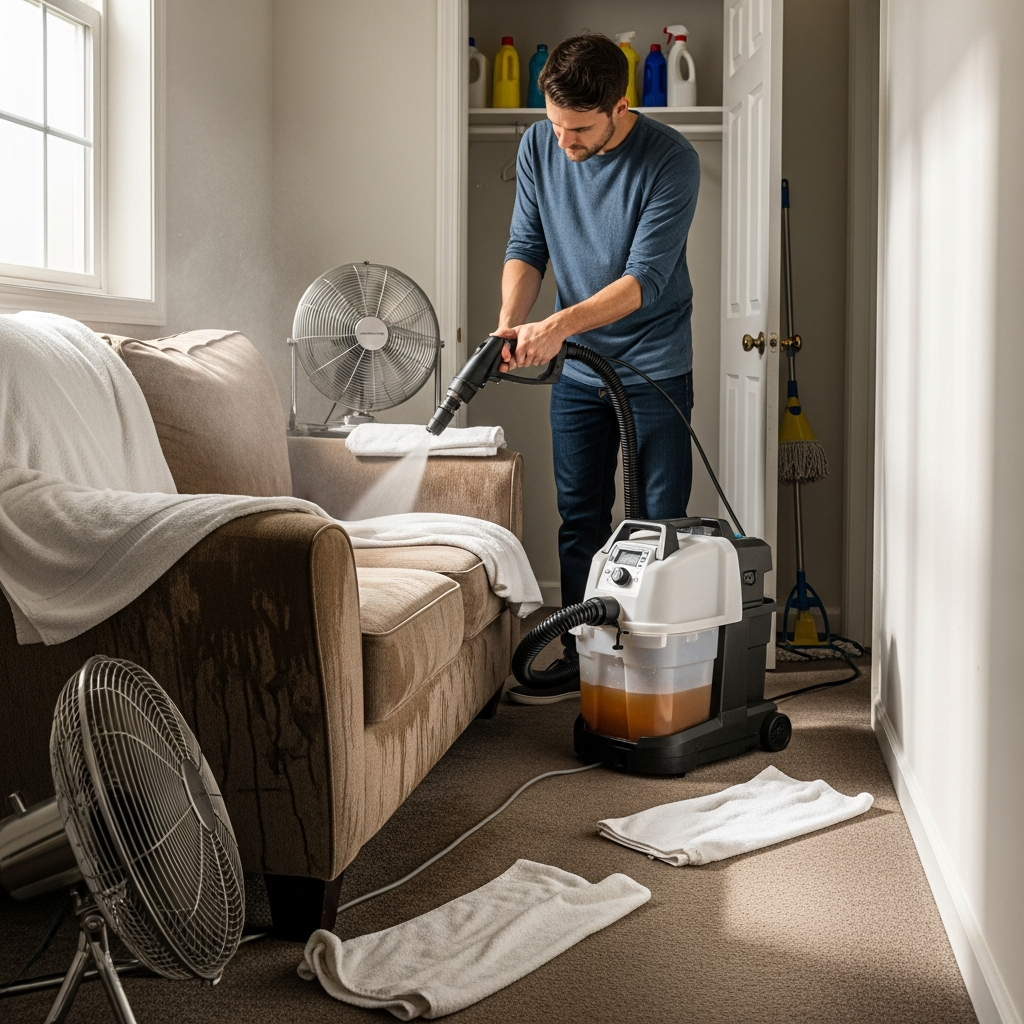
Most rental upholstery machines are compact extractors. They spray a solution through a small hand tool and rely on suction to pull that solution back out, along with loosened soil. Some include a gentle brush or agitation strip, while others depend entirely on your passes to break bonds between fiber and soil. The design goal is simplicity; the performance hinges on how evenly you apply solution and how thorough your vacuum passes are.
Water temperature and pressure are limited for safety, which is a double-edged sword. Lower heat and gentler flow reduce the risk of damage, but they also mean you must compensate with slower movements and more dry passes. Cleaning takes longer than you might expect, and that is okay—patience pays off with better extraction and less chance of rings.
Before You Rent: Fabric Codes and Testing
Check for a cleaning code on your furniture: W, S, WS, or X. Rental extractors usually suit W and WS fabrics best. S-only fabrics and those with unknown codes call for extreme caution and often a professional’s touch. Always test in a hidden area. Apply a small amount of solution, extract, and let it dry fully. Watch for dye transfer, texture change, or water rings. If any appear, halt and reassess.
Inspect construction details. Tufted cushions, down-filled inserts, and tight-back sofas dry more slowly and can trap moisture. If your piece includes these features, limit passes and prioritize airflow, or consider a low-moisture method instead.
Supplies That Help Rentals Work Better
Pair the machine with white cotton towels, a soft upholstery brush, a mild fabric cleaner compatible with your fabric code, and a small fan for drying. Towels serve as your moisture meter: if they come up very wet when pressed to the fabric after a pass, you are applying too much solution. A brush helps with gentle agitation before extraction, especially on microfiber, which responds well to light brushing followed by careful vacuuming.
Set up your space before starting. Clear tables, protect nearby rugs, and stage fans for airflow. In walk-up buildings around Elizabeth, plan your route to minimize carrying a full tank up and down stairs; refill and empty outside or in a bathroom to avoid drips across common areas.
How to Use a Rental Unit for Best Results
Begin with thorough vacuuming to remove as much dry soil as possible from cushion tops, seams, and the base deck. Then pre-treat visibly soiled areas with a fabric-appropriate cleaner and allow brief dwell time. With the machine, make one controlled solution pass—slow enough to lightly dampen the surface—and follow immediately with multiple dry passes to extract. Think two or three extraction-only passes for every wet pass.
Work in small sections to maintain control. On textured or pile fabrics, finish by grooming the nap with a soft brush so it dries uniformly. Place cushions upright to encourage air circulation around all sides, and position fans to move air across surfaces. Keep interior doors open and the HVAC running to support evaporation, important in New Jersey’s humid months.
Common Pitfalls and How to Avoid Them
Over-wetting causes rings, browning on natural fibers, and lingering odor. Avoid by using minimal solution, slow movements, and many vacuum-only passes. Skipping pre-vacuuming leaves grit in place, which reduces cleaning effectiveness and can abrade fibers. Using the wrong solution—too strong, overly sudsy, or not suited to your fabric code—leaves residue that attracts soil quickly.
Another pitfall is impatience with dry time. Sitting on damp cushions flattens the pile and can transfer oils back onto the fabric. Give pieces time to dry completely. If an area looks uneven as it dries, a quick light groom with a soft brush often evens the finish.
When Rental Is a Good Fit—and When It Is Not
Rental shines for quick response to fresh spills, maintenance refreshes on durable synthetics, and touch-ups before guests arrive. It is less suitable for antique textiles, silk or linen blends sensitive to moisture, and cushions with down fills that hold onto water. Odor issues that originate deep in foam or batting usually require more thorough flushing and specialized treatments than rentals can provide.
Elizabeth households with pets often use rentals to address trackable messes promptly. This is effective when combined with routine vacuuming and spot care, but periodic professional service still pays dividends by removing oils and residues that home units cannot fully extract.
Health and Indoor Air Considerations
Balanced cleaning contributes to a healthier home. Removing fine particulates, dander, and residues reduces triggers for sensitive noses. Equally important is leaving fabric free of sticky cleaners that would re-attract dust. Your goal with a rental is the same as a pro’s: lift soil and rinse or extract thoroughly so the fabric feels clean rather than coated.
Setting Expectations and Evaluating Results
After you finish, expect brighter color, a crisper hand-feel, and reduced surface soil. Deep, set stains may lighten but not vanish, especially if they have oxidized or were previously treated with the wrong product. Sun fading and wear cannot be cleaned away. Instead, judge success by overall evenness and the return of a soft, non-tacky surface.
Midway through your decision about renting versus hiring, remember the core goal of upholstery cleaning: preserve fabric, improve hygiene, and extend the life of your furniture. Rentals can contribute meaningfully when used strategically within that bigger plan.
Frequently Asked Questions
Q: Do I need hot water for the rental machine? A: Warm water often improves performance, but follow the manufacturer’s guidance. Very hot water is not necessary for many fabrics and can increase risk on delicate pieces.
Q: How long will drying take? A: It depends on fabric, room airflow, and how much solution you applied. Prioritize ventilation with fans and HVAC. Avoid using furniture until completely dry.
Q: Can I use the same solution for all fabrics? A: No. Match products to your fabric code, test first, and avoid heavy suds, which are harder to rinse and more likely to leave residue.
Q: What if I see streaks or rings as it dries? A: Gently groom with a soft brush and increase airflow. Rings often indicate excess solution; reduce wet passes and increase extraction-only passes next time.
Q: Is rental cost-effective compared to professional service? A: It can be, depending on your goals and fabric type. Rentals excel for maintenance and fresh spills; professionals are better for delicate textiles, odor challenges, and whole-room resets.
Practical Aftercare
Once dry, maintain results by vacuuming monthly, rotating cushions, and protecting high-use arms with washable covers. Keep pets brushed and encourage everyone to blot—not rub—spills immediately. A simple routine supports your rental efforts and stretches the time between deeper services.
Refresh Your Seating on Your Schedule
When you want the convenience of DIY alongside the confidence of expert outcomes, plan your approach and use equipment thoughtfully. And when a deeper reset is due, schedule professional upholstery cleaning to complement your rental efforts and keep your Elizabeth home feeling clean and comfortable.