
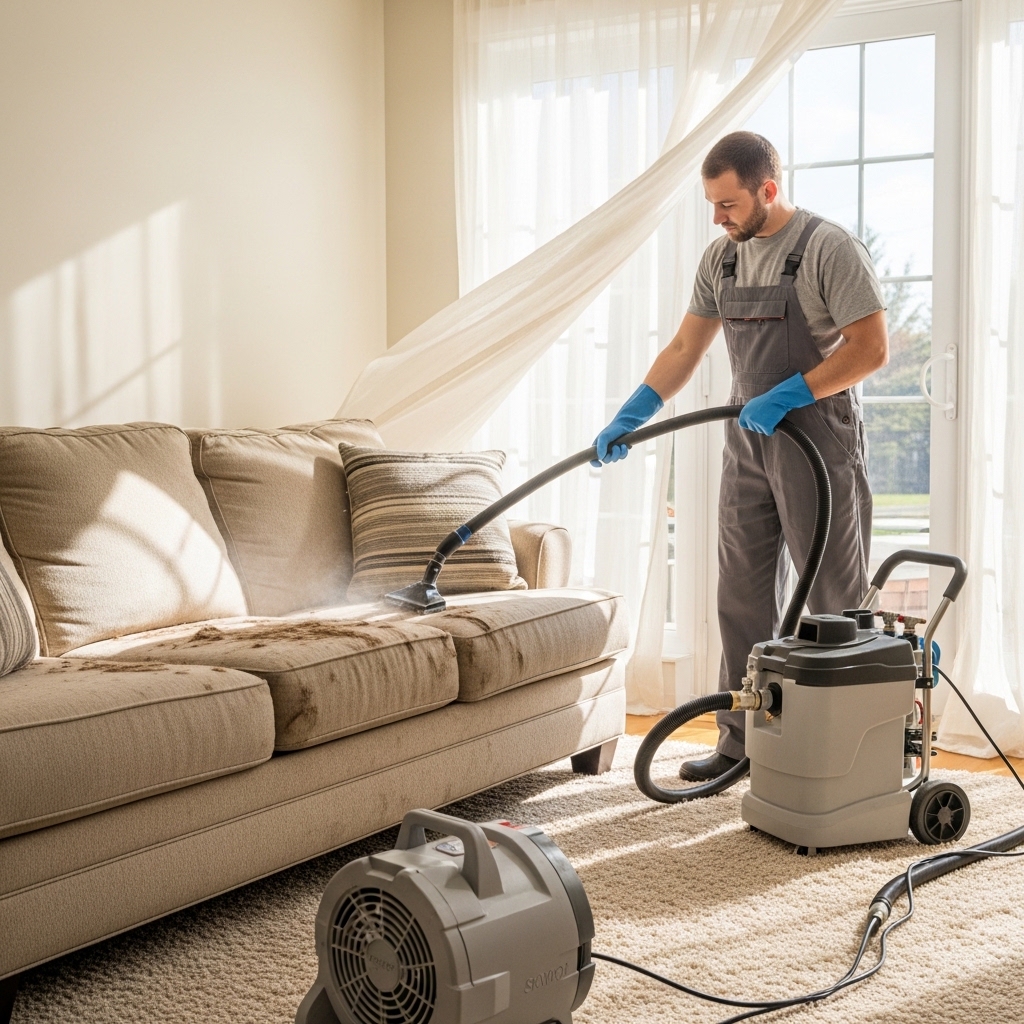
Find Dependable Upholstery Cleaning Near Me in Elizabeth, New Jersey
If you are typing “near me” into a search bar and hoping for fast, reliable results, you are not alone. Between busy commutes along Route 1&9, weekend trips to The Mills at Jersey Gardens, and family time at Warinanco Park, Elizabeth homeowners want solutions that fit real life. When it comes to freshening sofas, sectionals, accent chairs, and dining seats, professional upholstery cleaning keeps your home comfortable, healthy, and looking its best without adding to your to-do list.
This guide demystifies how local pros restore fabric, how to prepare for an appointment, and what to expect before, during, and after service. You will find practical tips for everything from pet hair in Peterstown to commuter grime tracked in from Elizabeth Avenue. Whether you live in Elmora, Midtown, or North Elizabeth, you will learn how to protect the textiles you love and extend the life of your furniture.
Why Local Expertise in Elizabeth Matters
Elizabeth’s mix of historic homes, high-rise apartments, and townhouses means furnishings experience a wide range of wear. High humidity by the waterfront can slow drying. Tight stairwells in walk-up buildings can complicate moving pieces. Active households near schools and playgrounds face persistent crumbs, spills, and pet dander. Local technicians who routinely work in these conditions understand how to plan for access, ventilation, and fabric sensitivities so your cleaning goes smoothly.
Local familiarity also helps with scheduling and parking considerations in denser neighborhoods. Mobile crews accustomed to navigating one-way streets and curb space near Broad Street or the Port Newark–Elizabeth Marine Terminal area bring the right equipment and an efficient setup that respects your building’s rules and your neighbors.
Professional Cleaning Process: What to Expect
While each company’s workflow varies, a thorough professional service typically includes these stages.
- Initial assessment: A technician inspects fabric labels, construction, colorfastness, and areas of wear. They identify problem spots like headrest oils, armrest soil, beverage spills, or pet accidents and test for dye stability.
- Dry soil removal: Powerful vacuuming lifts loose grit, dust, and hair from seams, tufts, and crevices. Removing dry soils first prevents them from becoming muddy when moisture is introduced.
- Targeted pre-treatment: A suitable solution is applied to stains and traffic zones. Different formulas address protein, tannin, oil-based, or dye-related spots while protecting delicate fibers.
- Agitation: Gentle brushing or specialized tools help loosen embedded soils without damaging the fabric weave.
- Rinse and extraction: The technician performs controlled rinsing—commonly hot-water extraction for suitable fabrics, or low-moisture methods for sensitive pieces—to flush away residues and soils, then extracts moisture for faster drying.
- Detailing: Edges, piping, buttons, and tufting receive special attention to ensure an even, thorough result. Deodorizing and fabric protection may be added upon request.
- Speed-drying and final check: Air movers may be used to promote faster evaporation, followed by a post-cleaning inspection and homeowner walkthrough.
Fabrics, Fills, and Finishes: How They Influence Care
Not all upholstery is created equal. Understanding what you own helps you set expectations and collaborate with your technician.
- Cotton and linen: Natural fibers that breathe well and feel luxurious. They can be prone to wrinkling and may require low-moisture, careful handling to avoid water rings.
- Microfiber: Durable and family-friendly, microfiber resists staining and cleans well with appropriate detergents. It benefits from thorough rinsing to avoid residue.
- Velvet: Whether cotton, silk, or synthetic, velvet requires precise technique to preserve the pile’s direction and sheen.
- Wool blends: Warm and resilient but sensitive to high alkalinity and aggressive heat. Skilled pH control matters.
- Leather: Needs a different approach entirely—gentle cleaning followed by conditioning to prevent dryness and cracking.
- Specialty weaves and prints: Jacquard, chenille, and intricate patterns may require extra testing for dye stability.
Cushion fillings also matter. Down and feather inserts are plush but can clump when saturated; foam cushions rebound well but absorb odors; batting can trap fine dust. A trained cleaner adapts moisture and technique to each construction.
Common Stains and What Pros Do About Them
From coffee and tea to tomato sauce, the kinds of spots Elizabeth households face are predictable yet stubborn. Children’s craft supplies may leave marker or glue, while commuters bring in grime from transit. Pet owners contend with accidents and lingering dander. Professionals classify stains by chemistry—protein, tannin, oil, dye, or combination—and select targeted treatments. Time matters: the sooner a spill is addressed, the better the outcome. Even set-in discoloration often improves noticeably with proper methods and patient repetition.
Health and Indoor Air Quality Benefits
Upholstered furniture acts like a filter, trapping dust, pet dander, pollen, and fine particles. Over time, this buildup can contribute to stale odors or trigger sensitivities. Routine cleaning removes the reservoir of allergens, helping your HVAC and room purifiers do their jobs more effectively. Households near high-traffic corridors or industrial zones benefit from periodic deep cleaning to reduce residue that drifts indoors.
DIY Versus Professional Service
Spot cleaning small spills right away is a smart habit, and vacuuming upholstery weekly keeps dry soils from embedding. That said, rented machines and generic detergents can leave residue that attracts new soil faster or cause browning, water marks, and stiff hand-feel. Pros tailor solutions to fiber, perform controlled rinsing, and extract moisture efficiently for even results and quicker dry times. If a piece is sentimental, complex, or expensive, professional care offers peace of mind and better long-term preservation.
Midway through a busy season or before hosting guests, scheduling professional upholstery cleaning ensures your home looks and smells refreshed while you focus on everything else.
How to Choose a Local Company in Elizabeth
- Experience with your fabric type: Ask about recent projects similar to yours—microfiber sectionals, velvet accent chairs, or vintage pieces.
- Clear process and expectations: A pro should explain testing, cleaning method, drying plans, and what outcomes are realistic for older stains.
- Safe chemistry: Inquire about child- and pet-conscious solutions and how residues are fully rinsed.
- Professional standards: Look for training and adherence to industry-recommended practices for textile care.
- Reputation near you: Seek a provider with a reliable track record in Elizabeth neighborhoods and multifamily buildings.
- Communication: Timely scheduling, reminder messages, and clear care instructions after service show attention to detail.
Preparation Tips Before Your Appointment
- Tidy the area: Remove small items from end tables and clear toys, throws, and pillows so the technician can work efficiently.
- Note concerns: Point out any specific spots, pet areas, or delicate trim that needs gentle handling.
- Plan access: Reserve parking if needed and notify your building of the service date and time. Secure pets comfortably in another room.
- Electricity and ventilation: Ensure outlets are accessible; open a window slightly to support airflow if weather permits.
- Take before photos: Documenting trouble areas helps align expectations and celebrate improvements afterward.
Aftercare and Maintenance for Long-Lasting Results
- Allow full drying: Use ceiling fans or a portable fan to move air. Avoid sitting on cushions until they are fully dry to keep fabrics from matting or re-soiling.
- Rotate cushions: Flipping and rotating equalizes wear and helps maintain shape.
- Vacuum weekly: Use an upholstery tool to remove dust and hair from seams and under cushions.
- Blot spills immediately: Blot, don’t rub. Use a clean white cloth and a small amount of cool water, then call a pro if discoloration remains.
- Use armrest covers or throws strategically: Protect high-contact areas and launder those covers regularly.
Seasonal Considerations in New Jersey
Cold winters and humid summers influence drying and indoor air quality. In winter, indoor heating lowers humidity and speeds drying; in summer, air conditioning or dehumidifiers help curb moisture. Pollen-heavy spring days can load textiles with allergens; a post-season cleaning refreshes your living room before summer entertaining. During fall, when windows open, dust and leaf particulates may increase—another cue to schedule service.
Frequently Asked Questions
How often should upholstery be professionally cleaned? Most households benefit from a deep cleaning every 12 to 18 months. High-traffic homes with pets or allergies may opt for more frequent care.
How long does upholstery take to dry? Drying commonly ranges from a few hours to overnight depending on fabric, method, and ventilation. Airflow from fans accelerates the process.
Will cleaning make stains disappear completely? Many stains improve dramatically. Age, dye type, and prior attempts affect results. A reputable technician will set realistic expectations.
Is it safe for kids and pets? When done properly with appropriate chemistry and thorough rinsing, professional cleaning is safe. Let your technician know about sensitivities so they can tailor solutions.
Do I need to move my furniture? Most pieces can be cleaned in place. Technicians will shift items slightly if needed and protect floors. Clear access pathways ahead of the appointment.
What about odors from pets or spills? Deodorizing targets odor sources in fabric and cushion cores. Stubborn odors may require specialized treatments and patience for best results.
Can delicate fabrics be cleaned? Yes, with testing and adjusted methods. Low-moisture techniques and careful handwork protect sensitive weaves and dyes.
Bring New Life to Your Favorite Seats
If your sofa looks dull, smells tired, or shows the story of everyday life a little too clearly, bring it back to its best with expert care. Schedule trusted local upholstery cleaning in Elizabeth today and enjoy a fresher, more inviting home for family and guests alike.