
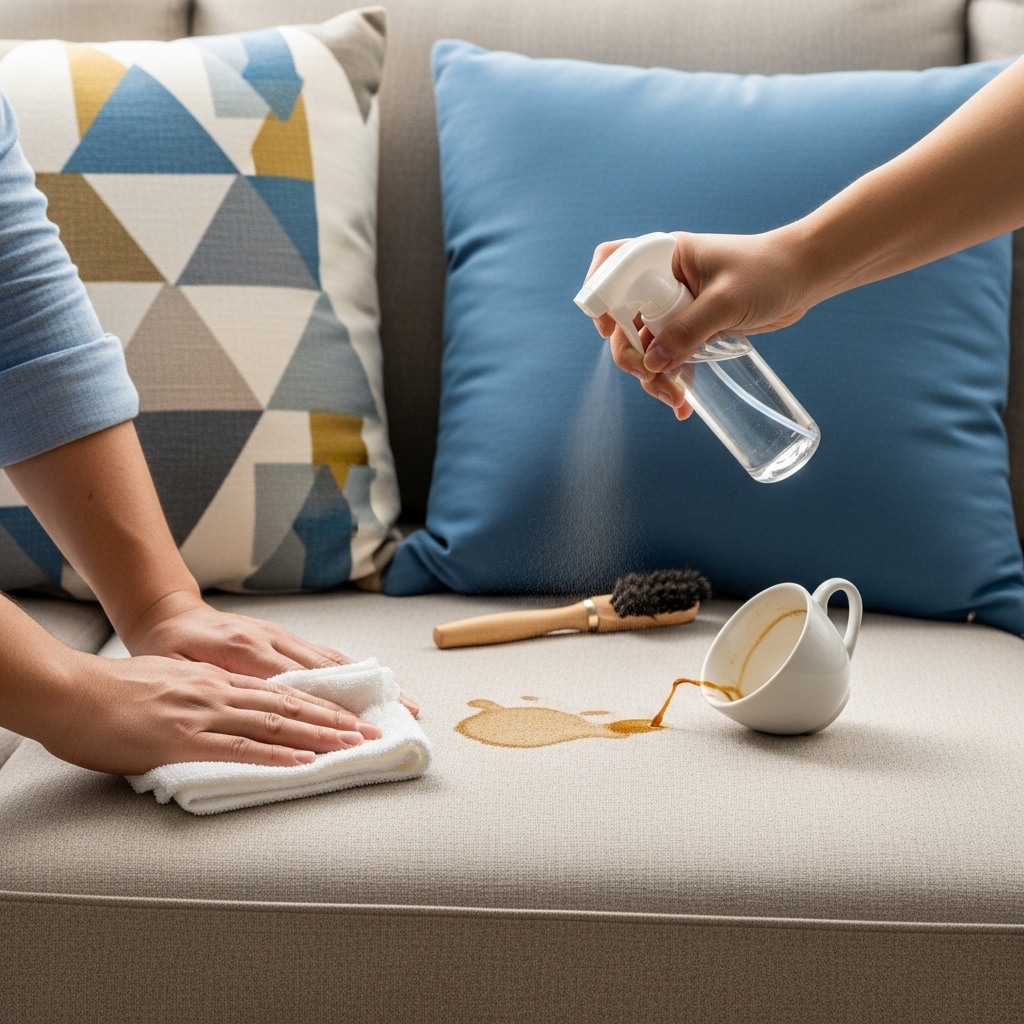
Fabric Sofa Cleaning in Elizabeth, NJ: A Complete Stain Removal Guide
Fabric sofas make living rooms feel relaxed and inviting, but they also absorb life’s little mishaps—coffee, snacks, ink, pet accidents, and city dust that drifts in from open windows. If your couch is looking tired or dotted with mystery marks, this guide will help you approach stain removal with confidence. You will learn how to identify fabric types, choose the right method for each stain family, and decide when to call a professional. If you are just beginning your research into Elizabeth, New Jersey options for sofa cleaning, the sections below also explain what a careful, thorough visit entails.
Know Your Fabric and Care Code
Before touching a stain, locate the upholstery tag. The code guides your decisions:
-
W: Water-based cleaning is acceptable.
-
S: Solvent only; water can create rings or texture change.
-
WS: Water or solvent allowed; test and choose the gentlest effective method.
-
X: Vacuum only; leave cleaning to professionals who can use specialized techniques.
Common sofa textiles include polyester, microfiber, cotton, linen, rayon, and blends. Each responds differently to moisture, heat, and agitation. Testing in a hidden area is essential. Blot with a white cloth after a small application of your chosen cleaner. If color transfers or the texture changes, stop and reassess.
Understanding Stain Families
Most stains fall into a few categories. Knowing which family you are facing helps you choose the right chemistry and technique.
-
Protein-Based: Milk, eggs, blood, and bodily fluids. Enzyme spotters help digest residues.
-
Oily/Greasy: Butter, salad dressings, body oils, and makeup. Degreasers and appropriate solvents break down oils.
-
Tannin: Coffee, tea, wine, and plant-based beverages. Mild acidic solutions can aid removal.
-
Dye-Based: Ink, markers, hair dye, and clothing transfer. These are challenging and may require reducers or solvents with careful testing.
-
Particulate/Soil: General dirt and dust. Vacuuming and balanced pre-conditioners help lift and rinse.
Immediate Spill Response
Speed matters. Blot fresh spills with clean, white towels—never rub. Work from the outer edge inward to avoid spreading. For thick spills, gently lift solids with a spoon before blotting. Keep a small stash of white cotton towels near the living room for emergencies. Avoid colored cloths that may transfer dye under moisture and pressure.
Stain Removal Playbooks by Type
Coffee or Tea (Tannin)
-
Blot, do not rub, until little transfers.
-
Apply a mild, fabric-safe tannin spotter or a diluted, pH-balanced cleaner rated for your code.
-
Allow dwell time, then blot again and follow with a light rinse if the fabric is W/WS.
-
Dry with airflow and groom the fibers.
Red Wine (Tannin + Dye)
-
Blot immediately; do not add salt or club soda, which can set rings.
-
Use a tannin spotter first. If remaining color lingers, a dye reducer may help, but test carefully.
-
Rinse lightly on W/WS fabrics and dry with fans. For S fabrics, consider a professional assessment.
Body Oils and Darkened Armrests (Oily)
-
Pre-vacuum to remove particulate.
-
Apply a gentle degreaser or solvent appropriate for your code, agitating with a soft brush.
-
Rinse with minimal moisture for W/WS, or towel-extract with solvent for S.
-
Groom and accelerate drying.
Ink and Marker (Dye)
-
Test first; dyes can spread. Use a solvent-based ink remover sparingly.
-
Work from the edge inward using a cotton swab. Replace tips frequently to avoid re-depositing ink.
-
Neutralize and lightly rinse if safe. If spreading occurs, stop and call a professional.
Pet Accidents (Protein + Odor)
-
Blot thoroughly. Apply an enzyme-based spotter designed for upholstery.
-
Allow sufficient dwell time; enzymes need time to digest residues.
-
Rinse and extract carefully on W/WS fabrics. For S-only, consult a pro for odor control options.
Makeup and Sunscreen (Oily + Pigments)
-
Gently lift excess with a dull edge.
-
Apply a fabric-safe degreaser or solvent gel and blot.
-
Follow with a mild cleaner for remaining pigments and rinse if allowed.
Rust or Metal Marks
-
Specialty rust removers exist but require extreme caution on upholstery. Test and avoid contact with metal zippers or staples.
-
Often, professional help is the safest route for rust.
Why Testing and pH Matter
Fabric fibers respond to chemistry. Overly alkaline cleaners can leave fibers stiff and more likely to resoil; overly acidic solutions can weaken some fibers. Balanced products and thorough rinsing leave a neutral finish. Testing ensures you adapt to your sofa’s unique blend rather than assuming a one-size-fits-all solution.
Dealing With Wicking and Rings
Wicking occurs when moisture carries dissolved soils from deep in the cushion back to the surface as the fabric dries. This often appears as a ring. To reduce the risk, apply minimal solution, perform multiple dry passes with your tool or towels, and encourage airflow. If rings form repeatedly, a professional deep flush and controlled drying may be required.
Low-Moisture Options for Sensitive Fabrics
S-coded fabrics require special care. Solvent-safe cleaning uses minimal water and specialized solutions to avoid swelling fibers or causing dye bleed. Low-moisture encapsulation on appropriate fabrics can also help reduce dry times and rings while refreshing appearance.
Professional Processes at a Glance
Professionals in Elizabeth typically follow a careful sequence: inspection, colorfastness testing, dry soil removal, fabric-appropriate pre-conditioning, gentle agitation, rinse extraction or solvent-safe procedures, targeted spotting, pH balancing, grooming, and accelerated drying. This approach removes abrasive grit, resets texture, and leaves a clean, residue-free finish.
Middle-of-the-Guide Checkpoint
If your stain is older, has unknown origins, or sits on a delicate fabric, proceed cautiously. Overworking a spot can set it permanently or cause texture distortion. When you need certainty about method selection, comparing local approaches to sofa cleaning will clarify which techniques are safest for your fabric.
Prevention Strategies
-
Use Throws Strategically: Place washable throws on high-use areas to capture body oils.
-
Rotate and Flip: Regularly rotate cushions to distribute wear and prevent shadowing.
-
Vacuum Weekly: Remove dust and crumbs before they settle into the weave.
-
Mind Sunlight: UV exposure fades dyes and weakens fibers. Use curtains or blinds during peak hours.
-
Consider Fabric Protection: A protector can help liquids bead and provide extra time to blot spills.
Addressing Odors
Odors stem from residues trapped in fibers and foam. Enzyme spotters help with protein-based smells, while solvent-safe options address oily sources. For deep, diffuse odors, a professional flush paired with targeted treatments is often the fastest route to a neutral, pleasant result.
Elizabeth, NJ Realities
In dense neighborhoods, airflow can be limited, which affects drying. Plan cleaning sessions when you can run ceiling fans or set up portable fans. During humid summers, allow extra time for evaporation. In winter, indoor heat speeds drying but can create static on synthetics—grooming helps reset texture.
FAQs: Fabric Sofa Stain Removal
Can every stain be removed? Some dyes and set stains become part of the fiber matrix. Improvements are common; full removal depends on age, fabric, and prior attempts.
Is club soda helpful? It can create rings and add minerals that leave residue. Blotting and fabric-appropriate cleaners are safer.
What about baking soda? While helpful for some odors on carpets, baking soda can embed in upholstery weaves and be difficult to extract fully.
How do I avoid water marks? Use minimal moisture, perform thorough dry passes, and force airflow as the sofa dries.
Are protectors worth it? For busy households, protectors buy time to blot spills and can extend the clean look between deep care sessions.
Bringing It All Together
Successful stain removal is part science, part patience. Identify the fabric code, match the method to the stain family, test carefully, and work with a light touch. When you encounter stubborn marks or delicate textiles, a professional’s testing and controlled equipment can safeguard your sofa and deliver a more uniform result.
Make Your Fabric Sofa the Star Again
If you are ready to refresh your living room and want predictable, fabric-safe results, schedule attentive care with a team that respects testing, gentle chemistry, and moisture control. Restore comfort and confidence by booking a trusted sofa cleaning service that brings local expertise and careful workmanship to your home.