
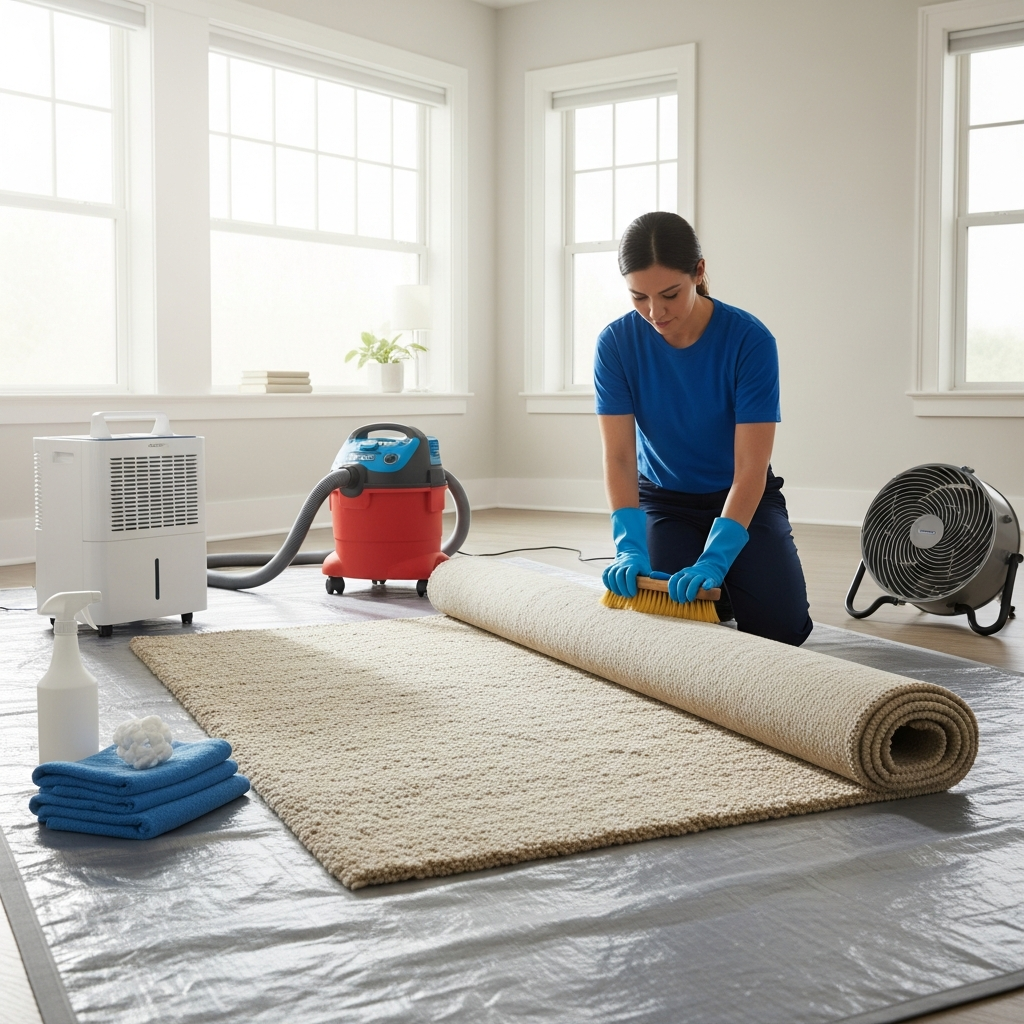
Clean rugs change the way a home in Elizabeth, New Jersey feels. Between busy commutes on the New Jersey Turnpike, weekend trips to Warinanco Park, and the damp winters near Newark Bay, grit and moisture collect quickly in fibers. This step-by-step guide shows you exactly how to care for wool, synthetic, cotton, and blended rugs with a method you can trust year-round. If you prefer to outsource any stage—or simply want a benchmark for professional standards—keep in mind that quality rug cleaning follows the same principles outlined here: gentle chemistry, thorough soil removal, controlled moisture, and patient drying.
Understand your rug before you start
Two rugs can look alike yet require completely different care. Before you mix a solution or touch a brush, identify the following:
- Fiber type: Wool, silk, cotton, viscose/rayon, nylon, olefin (polypropylene), polyester, or blends.
- Construction: Hand-knotted, hand-tufted with latex backing, flatweave (kilim, dhurrie), machine-woven, or braided.
- Dyes: Natural or synthetic, stable or unstable. Older vegetable dyes and some modern artisanal dyes can bleed.
- Backing and padding: Latex, jute, felt, rubber, or none. Backings can trap moisture; pads can harbor odors.
- Existing issues: Pet urine, browning, wick-back stains, moth damage, loose fringe, curled corners.
Perform a quick colorfastness test. Moisten a white cotton towel with cool water and press it onto each major color for 10 seconds. If color transfers, restrict water, lower agitation, and keep all rinse solutions cool. For unstable dyes, consider dry compound methods or very controlled low-moisture cleaning.
Tools and solutions checklist
- Vacuum with adjustable height and a gentle brush or suction-only tool for delicate piles
- Rug beater or upholstery attachment for dusting
- Soft horsehair or tampico brushes; microfiber towels
- Bucket, measuring cup, spray bottles clearly labeled for pre-spray and rinse
- Neutral to slightly alkaline detergent for synthetics; wool-safe detergent (pH ~5.0–7.0) for wool
- Oxygenated spotter for organic stains; enzyme spotter for pet accidents
- White vinegar or citric acid for mild acid rinse; ammonia for controlled alkaline boost on greasy soil (not for wool)
- Fans or an air mover; dehumidifier for damp days in Elizabeth’s humid seasons
- Plastic sheet or tarp to protect hardwood floors while working
Step-by-step rug cleaning process
- Prep the area. Clear space, set a plastic sheet, and ensure good airflow. Close doors where pets could walk over a damp rug.
- Inspect and photograph. Note stains, worn paths, pulled yarns, and tag placement for later alignment. Photograph both sides to track results.
- Dry soil removal. Vacuum slowly in overlapping passes. For dense wool, start with suction-only, then engage a gentle brush if fibers shed minimally. Flip the rug and vacuum the back to shake loose fine dust, then vacuum the face again.
- Beat and dust (optional but powerful). If the rug’s construction allows, gently beat the back or use a rug duster to release embedded soils that vacuums miss.
- Spot test detergents. On a corner, trial your chosen pre-spray and rinse. Watch for dye transfer or texture change.
- Pre-treat stains. Apply enzyme spotter to fresh pet accidents; dab, don’t scrub. For coffee or tea, an oxygenated spotter in cool water can help. Avoid heat on protein or blood stains to prevent setting.
- Apply pre-spray. For synthetics and robust flatweaves, a neutral to mildly alkaline detergent works well. For wool, use a wool-safe product at label dilution in cool water. Lightly mist—do not soak—especially on viscose or tufted rugs.
- Agitate gently. Use a soft brush with the nap direction. For loop piles or fragile fibers, switch to a microfiber towel and light compression instead of brushing.
- Allow dwell time. Give the pre-spray 5–10 minutes to loosen soils. Keep the rug evenly damp, not wet. In Elizabeth’s colder months, extend dwell by a few minutes but avoid over-wetting.
- Rinse. Use cool water in a spray bottle with a mild acidifier (white vinegar or citric acid) for wool to neutralize and brighten. Blot with clean towels. For synthetics, a plain-water rinse or mild acidic rinse balances pH and removes residue.
- Extract moisture. Press with dry towels in sections, replacing as they saturate. If you own a small extractor, use low pressure and multiple dry passes. Avoid forcing water through to the backing.
- Address fringe carefully. Clean cotton fringe with a wool-safe detergent solution and blot; avoid aggressive brushing that frays fibers. Keep colored pile water from wicking into white fringe.
- Correct pile. Groom the pile in one consistent direction using a soft brush. This promotes even drying and a uniform finish.
- Dry promptly. Elevate the rug on clean blocks or a drying rack. Position a fan to move air across, not directly into, the rug. In humid summer, add a dehumidifier to keep relative humidity under 50%.
- Flip and check the back. If the backing feels cool or damp, continue airflow until both sides are fully dry to the touch.
- Final vacuum and inspection. Once dry, vacuum lightly, trim stray fibers with scissors, and review your before-and-after photos. Re-treat any faint remaining spots using targeted methods.
Local considerations for Elizabeth, NJ homes
Homes in Midtown, Elmora, and Peterstown experience heavy winter moisture and spring pollen. Both can lodge in rug fibers. After storms, let entry mats capture the worst debris; shake and vacuum mats often so interior rugs stay cleaner longer. In apartments near Broad Street or close to the harbor breeze, soot-like particles can embed in the pile; prioritize more frequent dry soil removal and use a pre-spray with better surfactants that target oily particulate soils.
Hard water can leave residues when you rinse. If you see streaking or a slightly crunchy feel after drying, incorporate a mild acid rinse and softer water (filtered or distilled) for your final pass, then groom and dry thoroughly.
When to use low-moisture methods
Some rugs—especially tufted rugs with latex backing or rayon/viscose—do best with cautious moisture control.
- Use an absorbent compound: Sprinkle, brush in gently, allow dwell, then vacuum out.
- Employ bonnet-style towel transfer: Lightly mist a safe cleaner on a towel placed on the rug, then press and lift soils.
- Target stains only: Rather than full-cleaning, manage isolated spills to limit saturation.
Low-moisture methods help protect floors that cannot tolerate prolonged dampness and minimize dye migration on sensitive textiles.
Dealing with pet accidents and odors
Urine salts attract moisture and can cause recurring odors, especially during humid New Jersey summers. Blot immediately, apply an enzyme treatment, and allow time for the product to break down proteins. Flooding the area can push contamination deeper, so stay controlled. For older accidents that have penetrated the foundation or pad, full submersion is rarely safe at home; consider professional decontamination or pad replacement.
Common mistakes to avoid
- Over-wetting: Leads to browning, dye bleed, and prolonged odor.
- Using high-pH degreasers on wool: Can felt fibers and dull colors.
- Aggressive scrubbing: Damages pile tips and distorts patterns.
- Skipping dry time: Rolling or walking on damp rugs crushes pile and can trap mildew.
- Ignoring backing: Moisture trapped against floors can cause finish damage or warping.
Maintenance rhythm that works
- Daily or every other day: Quick crumbs-and-sand pickup in kitchens and entries.
- Weekly: Thorough vacuum with slow overlapping passes.
- Monthly: Flip and vacuum the back; detail along baseboards and under furniture edges.
- Quarterly: Spot clean, fringe detailing, and a light rinse for higher-traffic pieces.
- Annually: Full cleaning for living room and hallway rugs; every 18–24 months for bedrooms or low-traffic rooms.
For heirloom wool or silk, gentle handling matters more than frequency. If you are unsure about fiber content or dye stability, midyear testing and a conservative approach are wise. In some cases, the safest path is to schedule a mid-season professional evaluation, particularly when you notice dullness that persists after normal cleaning or you suspect pet contamination that reached the foundation. In those situations, seeking expert rug cleaning can prevent permanent color loss or texture distortion.
Quality checklist after cleaning
- Color vibrancy: Hues should appear clear, not hazy. If dull, residue may remain—consider a light acidic rinse and re-grooming.
- Hand feel: Soft and buoyant, never stiff. Stiffness suggests soap left behind.
- Uniform pile: Fibers lay one way without crushed patches.
- Odor-free: A neutral scent signals dryness; any mustiness means more drying needed.
- Flatness: Edges and corners should rest flat. If curling persists, reverse-roll briefly and lay flat under light books once fully dry.
Frequently Asked Questions
Q: How do I stop dye bleed on a bright Oriental-style rug?
A: Keep water cool, use wool-safe products, and add a mild acidic rinse. Work in small sections and blot frequently. If a quick color test transfers dye, avoid full wet cleaning at home.
Q: Can I steam clean a wool rug like wall-to-wall carpet?
A: High heat and high alkalinity are risky for wool. Use cool solutions, a gentle detergent, and very light extraction. Avoid typical carpet machines set for synthetic wall-to-wall.
Q: What if my rug smells musty after drying?
A: It likely isn’t fully dry. Elevate the rug, increase airflow across the surface, and run a dehumidifier until the odor disappears. Musty odors mean moisture remains trapped.
Q: How do I clean viscose or rayon safely?
A: Keep moisture to a minimum, use very mild cleaner, and rely on towel transfer and dry compound methods. Aggressive agitation or saturation can permanently distort the fibers.
Q: Is vacuum beater bar safe?
A: For delicate piles, switch the beater bar off and use suction only. For sturdy synthetics, a soft brush bar helps but keep the height high and make slow, gentle passes.
Q: Can I remove pet urine completely at home?
A: Fresh spots respond well to enzyme treatment and blotting. Older or heavy contamination that penetrated backing and pad often requires specialized treatment to prevent recurring odor.
Q: How often should I rotate rugs?
A: Every 3–6 months for even wear, especially where sunlight strikes from the same angle day after day.
Q: What’s the best way to dry during a humid Elizabeth summer?
A: Position fans to move air parallel to the rug surface, use a dehumidifier, and keep the rug elevated so air can reach both faces. Avoid closing the space; fresh air exchange helps.
Q: Will vinegar alone clean my rug?
A: Vinegar can help with pH balance and deodorizing but is not a soil-lifting detergent. Pair it with a wool-safe or neutral detergent for actual cleaning.
Q: Should I clean the pad too?
A: If accidents soaked through or you notice odor when lifting the rug, replace or thoroughly clean and dry the pad. A contaminated pad will re-odorize a clean rug.
Next steps for cleaner rugs in Elizabeth
Whether you’re restoring a hand-knotted heirloom from the Ironbound market or freshening a family-friendly synthetic in a North Elizabeth apartment, consistent, careful technique brings lasting results. If you decide that a complex piece, severe pet issue, or schedule crunch calls for expert help, choose a provider that follows the principles above. For a reliable partner who can match these standards and elevate your results, schedule trusted rug cleaning and enjoy cleaner air, richer color, and a rug that feels great underfoot all year.