
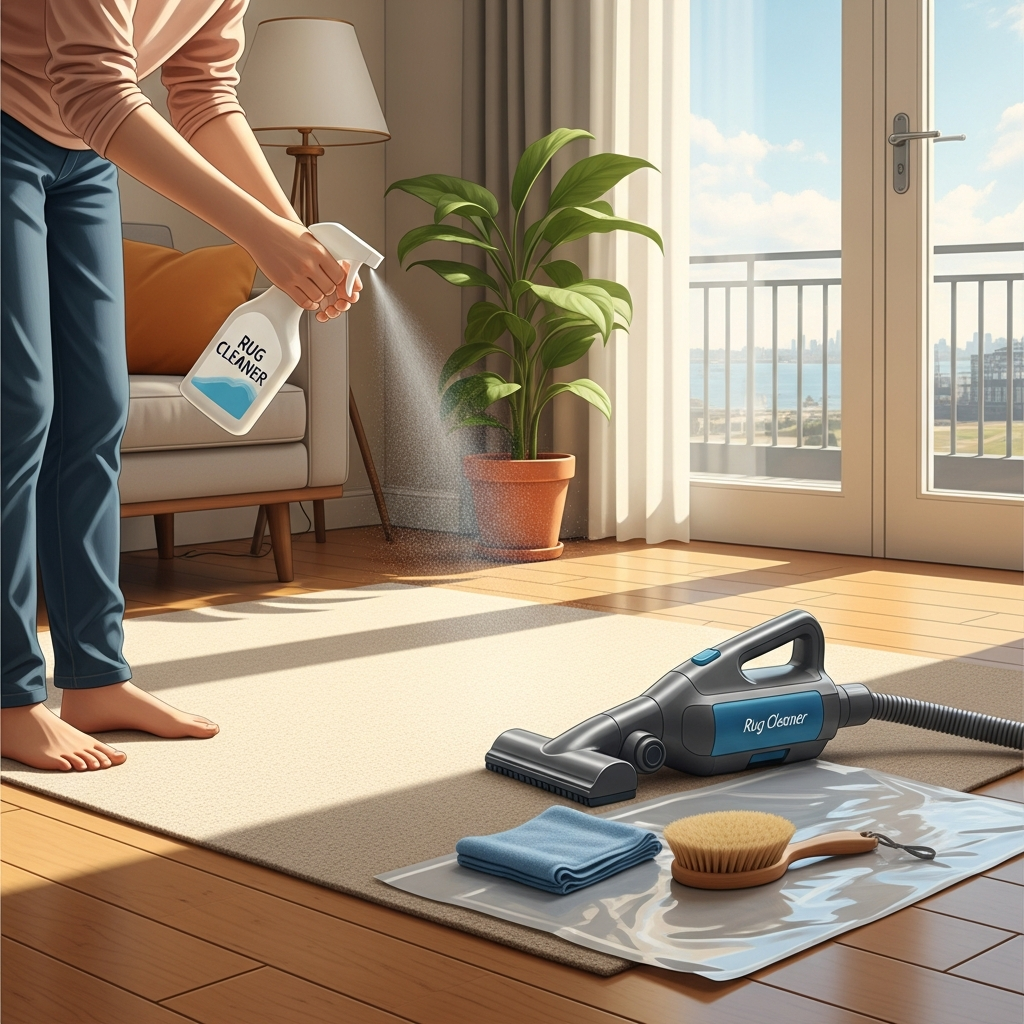
Starting your first rug cleaning project in Elizabeth, New Jersey can feel intimidating, but with clear steps and gentle products, you can refresh colors, remove grit, and make your home feel healthier. This beginner-friendly guide explains tools, safe solutions, and simple methods you can use on common household rugs. It also highlights when to pause and ask for help so you avoid dye bleed, texture damage, or lingering odors. If you prefer a head start, you can compare your approach with what reputable rug cleaning companies do: careful identification, dry soil removal, controlled moisture, and disciplined drying.
Know what you have: fiber, construction, and condition
Good decisions come from knowing your rug. Spend two minutes on these checks:
- Fiber: Wool (springy, slightly scaly), cotton (soft, matte), synthetics like nylon/polyester/olefin (smooth, uniform), viscose/rayon (silky sheen, easily distorted).
- Construction: Hand-knotted (visible knots on back), hand-tufted (canvas or latex backing), flatweave (reversible, no pile), machine-woven (pattern mirrors on back but with uniform machine stitching).
- Issues: Pet accidents, drink spills, soot near busy streets, sand tracked in from parks. Note fringe condition and corners that curl.
Do a quick colorfastness test with a white towel dampened in cool water. Press on each bold color for 10 seconds and check for transfer. If dye moves, you’ll use minimal moisture and very gentle methods.
Beginner toolkit
- Vacuum with adjustable height or suction-only attachment
- Soft brush (horsehair or tampico), microfiber towels
- Two labeled spray bottles: one for cleaner, one for rinse
- Wool-safe detergent for wool/cotton; neutral detergent for synthetics
- Enzyme spotter (pet accidents), oxygenated spotter (coffee/tea/juice)
- White vinegar or citric acid for mild acid rinse
- Fan and, in humid months, a dehumidifier
- Plastic sheet to protect floors while the rug is damp
Simple, reliable cleaning steps
- Vacuum both sides. Go slowly and overlap passes. For delicate piles, use suction-only. Flip the rug to vacuum the back; this shakes out fine dust so you can remove it from the face.
- Pre-treat spots. Blot fresh spills first. Apply enzyme to urine, oxygenated spotter to tea/coffee/wine. Work from outside edges inward, and dab rather than scrub.
- Light pre-spray. Mix a wool-safe or neutral detergent per directions in cool water. Mist lightly—don’t soak—especially if dyes tested unstable.
- Gentle agitation. Brush with the nap direction or use a microfiber towel to lift soil. Avoid aggressive scrubbing, which fuzzes pile tips.
- Dwell time. Let the solution rest for 5–8 minutes. Keep the rug evenly damp, not wet.
- Rinse and blot. Mist with cool water (add a splash of white vinegar for wool), then press with clean towels to lift soil and solution.
- Groom and dry. Brush pile one direction, elevate the rug on blocks or a rack, and set a fan to move air across the surface. In Elizabeth’s humid stretches, run a dehumidifier to speed drying.
- Final vacuum. Once the rug is fully dry and cool to the touch, vacuum lightly to restore texture.
Local tips for Elizabeth, NJ homes
Between winter slush and summer humidity off Newark Bay, moisture management is everything. Keep entry mats clean to capture grit, rotate rugs every few months to even out sunlight from south-facing windows, and detail vacuum edges along baseboards where fine dust collects. If your building is near high-traffic corridors, soot-like particles can dull colors; a slightly stronger neutral detergent (still safe for your fiber) helps lift that oily film.
What to do about pet accidents
Urine salts can reactivate on humid days and create lingering odor. For fresh spots, blot thoroughly, apply enzyme, allow 10–15 minutes dwell, and blot again with cool water. Avoid soaking the area or using heat. If you still catch a whiff after the rug dries, the issue may have penetrated the foundation or pad. At that point, at-home cleaning has limits, and it’s smart to consider expert help.
Beginner mistakes to avoid
- Over-wetting the rug, which leads to slow drying, browning, and possible dye bleed.
- Scrubbing hard on viscose or wool; both can fuzz or distort.
- Using strong alkaline cleaners on wool, which can damage fibers.
- Skipping the rinse, leaving residue that feels stiff or attracts soil.
- Drying flat on a sealed floor; this traps moisture underneath and risks floor damage.
Choosing the right method for your rug type
- Wool: Cool solutions, wool-safe detergent, light agitation, acidic rinse, thorough drying.
- Cotton flatweaves: Often more tolerant of moisture but still avoid saturation; manage fringe separately.
- Synthetics (nylon/poly/olefin): Neutral detergent works well; rinse thoroughly to prevent residue.
- Viscose/rayon: Minimal moisture, gentle towel transfer, and avoid scrubbing. If in doubt, stop and reassess.
Routine schedule that works for beginners
- Weekly: Slow, thorough vacuuming to remove grit before it cuts fibers.
- Monthly: Flip, vacuum the back, and detail the perimeter.
- Seasonally: Spot clean, light overall refresh, and rotate for even wear and sun exposure.
- Annually: Full cleaning for high-traffic rugs; every 18–24 months for low-traffic rooms.
Consistency beats intensity. Bite-size upkeep—especially vacuuming and immediate spill care—keeps deep cleans simple and low risk.
When to call in help
Press pause and seek guidance if you notice any of the following: dye transfer during testing, a sour odor that persists after drying, significant pet contamination, or a tufted rug that feels spongy or sheds powder (old latex). Professional shops can stabilize dyes, decontaminate, and dry rugs with controlled airflow. When you reach one of those edge cases, turning to trusted rug cleaning ensures the piece is protected while soils and odors are removed safely.
Frequently Asked Questions
Q: Can I use my carpet machine on area rugs?
A: Use caution. Those machines can overwet and leave residue. For sturdy synthetics, very light extraction with multiple dry passes may work. For wool, keep water cool and use a wool-safe solution with minimal pressure.
Q: My rug feels stiff after drying. What happened?
A: Residue likely remains. Lightly mist with a mild acidic rinse (water with a small splash of white vinegar), blot, groom, and dry thoroughly. Always measure detergents to avoid overuse.
Q: How do I handle fringe?
A: Clean fringe separately with a diluted wool-safe detergent. Blot instead of scrubbing and keep colored pile water from wicking into the white fringe.
Q: Is baking soda safe for deodorizing?
A: Sprinkling a small amount and vacuuming later is safe for many rugs, but avoid grinding it in. For strong odors, address the source with enzyme treatment or professional decontamination.
Q: How long should drying take?
A: With airflow and average Elizabeth humidity, many rugs dry within 6–12 hours. Heavier wool pieces can take longer. A rug is ready when it is completely dry and odor-free on both face and back.
Q: Will sunlight hurt my rug?
A: Prolonged direct sunlight can fade colors and make fibers brittle. Rotate rugs every 3–6 months, use sheers or blinds in strong sun rooms, and avoid leaving damp rugs in sun.
Q: Can I hang a heavy wet rug?
A: Avoid hanging a saturated rug—the weight can distort its shape. Dry flat with airflow, elevating the rug so air reaches both sides.
Q: How do I know if dyes are unstable?
A: If your white towel picks up noticeable color during the test, proceed with very low moisture or consult a professional before a full clean.
Next steps for fresh, beginner-friendly results
You now have a clear, safe routine to refresh your rugs and protect your floors in every season. When you run into a tricky stain, unstable dyes, or a piece with sentimental value, partnering with specialists can reduce risk and save time. Schedule expert rug cleaning to handle delicate fibers, heavy pet issues, or large area pieces, and enjoy brighter colors and a cleaner home throughout Elizabeth.