
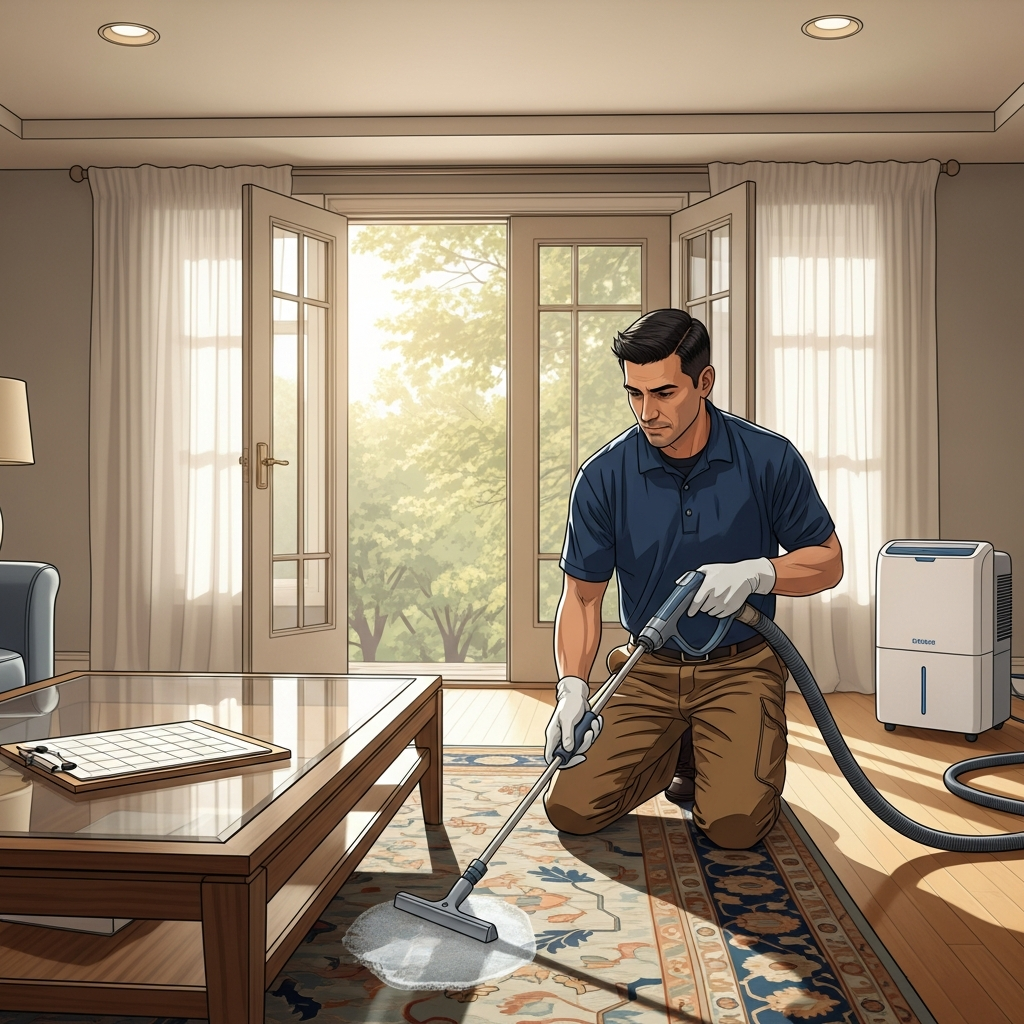
Introduction: The Professional Rug Cleaning Experience
When you arrange for professional rug cleaning in Elizabeth, New Jersey, knowing what to expect can reduce stress and help you get the most from the service. From initial inquiries to pickup or in-home cleaning and eventual delivery, each step has distinct procedures and best practices. If you are considering an expert evaluation, begin conversations with a reputable local team. A commonly used starting point for many residents is to seek guidance from established companies such as professional rug cleaning services who can outline the process and recommend tailored solutions.
This article breaks down the professional cleaning workflow, including inspection protocols, cleaning techniques, timelines, special care for antiques, and what to expect when the rug returns to your home. It also includes detailed tips for maintenance, a FAQ section to answer frequent questions about rug cleaning, and a closing call to action to schedule an appointment with specialists in the Elizabeth area.
Initial Contact and Consultation
Your interaction with a professional cleaner often begins with a consultation by phone, email, or online form. During this exchange, the provider will ask about rug size, material, visible stains, and whether you need pickup and delivery or an on-site service. Many companies also request photos to assess condition before providing an estimated timeline. This early stage is critical for setting expectations about turnaround time and handling requirements and for identifying any potential issues that may require specialized attention.
Be prepared to supply information on the rug’s provenance, prior repairs, or specific problem areas. If the rug is particularly valuable, mention this so the cleaner can schedule an in-person inspection or assign a technician experienced with high-value textiles.
Inspection and Pre-Treatment
When the rug arrives at the cleaning facility or when the technician examines it on-site, a detailed inspection follows. The technician will look for wear patterns, areas of structural weakness, fringe condition, and evidence of dye instability. They will also test for colorfastness by applying a mild cleaning solution to a discreet area to ensure dyes will not run during cleaning. Documentation of the rug’s condition, including photographs and written notes, helps both parties understand pre-existing conditions and protects against misunderstandings.
After inspection, a pre-treatment plan is developed. For soiled rugs, this often includes agitation in a controlled environment, application of pH-balanced cleaners or enzymes for organic stains, and spot treatments for stubborn areas. Professional cleaners avoid blanket application of aggressive chemicals and instead target treatments to the rug’s specific needs.
Cleaning Methods and Safety Measures
Professional rug cleaning companies employ multiple methods depending on fiber and condition. Hand washing with gentle detergents is common for delicate or handmade rugs, ensuring that agitation and solution strength are carefully controlled. Hot water extraction is used for sturdier rugs to remove deep soils, while dry cleaning is chosen for pieces at risk of dye bleeding or structural distortion when wet. Technicians apply conservative solutions and always conduct preliminary testing on refugees of the rug to avoid damage.
Equipment and lab-grade solutions are selected to balance efficacy and fiber safety. Thorough rinsing and extraction minimize residual cleaning agents and moisture that could harm the rug. Also, professional drying areas use air flow control and dehumidification to complete drying uniformly and safely, preventing residual dampness that could lead to odors or mildew.
Repair and Restoration Work
Some facilities offer repair and restoration services ranging from fringe repair and reweaving to foundation reinforcement. If issues are discovered during inspection—such as moth damage, unraveling edges, or weakened foundations—technicians will recommend restoration options and outline expected outcomes. Restoration timelines differ from cleaning and can take additional weeks depending on complexity and availability of skilled artisans.
Valuable or antique rugs may be referred to conservators for specialized work. Always review before-and-after examples and ask for a detailed plan and cost estimate for restoration tasks. While restoration preserves structure and appearance, it requires expertise to ensure that work is sympathetic to the rug’s original materials and design.
Quality Checks and Final Inspection
After cleaning (and any restoration), a final quality check is performed. The team inspects for remaining stains, checks fringe condition, evaluates pile restoration, and ensures proper drying. Any lingering concerns are addressed with additional spot treatments or finishing steps. Detailed documentation of the work completed demonstrates transparency and gives you a record of the services performed on your rug.
Good providers welcome follow-up communication after delivery to address any questions or unexpected issues. If the rug shows signs of dye migration or other problems days after it returns, contact the cleaner immediately to discuss solutions.
Delivery and On-Site Care
Delivery protocols vary, but many companies bring rugs back rolled and wrapped for easy transport. For in-home cleanings, technicians will revisit the site to ensure the rug is properly placed and dried. After receiving your rug, allow sufficient time before reintroducing furniture to prevent indentations or moisture entrapment. Keep the room ventilated and, if possible, avoid heavy traffic on the rug for a day or two to let pile settle evenly.
Inspect the rug upon return for color consistency, texture restoration, and overall cleanliness. If you have questions about post-cleaning care, ask for maintenance suggestions tailored to your rug’s fiber and usage pattern.
Safety and Insurance Considerations
Before agreeing to services, verify that the company carries liability insurance to cover accidental damage and that they have clear policies for disputes. Reputable firms will also have secure transport procedures and trained staff to handle valuable textiles. For high-value items, confirm whether additional insurance or conservation credentials are recommended and whether the company offers extra protective measures during transit.
Frequently Asked Questions
Q: How long should I expect a professional rug cleaning to take? A: Turnaround can vary from a few days to a couple of weeks based on workload, cleaning method, and any repair needs. Discuss scheduling with your provider early on.
Q: How soon can I place furniture back on the rug? A: Wait until the rug is fully dry; placing furniture too soon can cause indentations or trap moisture. A full day or two of good ventilation is often sufficient for many rugs, but the cleaner will advise based on the drying method used.
Q: What if my rug has fringe that’s fraying? A: Fringe repair is a common service. Technicians can tidy fringe and perform more extensive repairs if necessary.
Q: Can all rugs be shipped out of state for cleaning? A: Some specialized jobs are sent to conservation labs, but most local providers can handle many rug types in-house. If a rug requires specialist attention, your provider will recommend an appropriate conservator.
Conclusion and Next Steps
Understanding the professional rug cleaning process in Elizabeth, New Jersey helps you make informed choices and prepare your home and rug for the best outcome. From consultation and inspection through cleaning, restoration, final quality checks, and delivery, transparency and communication with your provider are key. If you need further guidance or wish to schedule a consultation, contact trusted local experts who can assess your rug and arrange a customized cleaning plan. To discuss scheduling and receive professional recommendations, consider reaching out to professional rug cleaning services that serve the Elizabeth area. Their team can help you navigate options, prepare your rug for cleaning, and ensure a smooth, professional experience.