
Introduction: Caring for Wool Rugs in Elizabeth, New Jersey
Wool area rugs bring warmth, resilience, and natural beauty to homes, but they require specific cleaning techniques to avoid shrinkage, dye bleeding, or fiber damage. For residents of Elizabeth, New Jersey, managing stains and routine maintenance on wool rugs benefits from specialized knowledge and, at times, professional intervention. If you’re seeking expert care, reach out to reputable specialists like professional rug cleaning services who are experienced in wool rug care and stain removal techniques tailored to natural fibers.
This guide covers the essential aspects of wool rug care, including how to address common stains, professional cleaning considerations, at-home maintenance practices, and a FAQ section addressing common concerns. It focuses on safe methods and preserving the natural qualities of wool, while explaining when it’s best to call professionals for tougher problems.
Why Wool Requires Different Care
Wool is a protein-based fiber with natural oils that give it durability and stain resistance, but those same qualities require gentle, pH-balanced cleaning. Wool fibers can felt and shrink under extreme heat or agitation, and some dyes used in wool rugs may be sensitive to water and cleaning agents. Proper wool rug care balances effective soil removal with gentle handling to preserve pile, texture, and color.
Understanding your rug’s construction—hand-knotted versus machine-made—and whether it has a cotton or wool foundation also influences cleaning choices. An experienced technician will evaluate these aspects before deciding whether hot water extraction, hand washing, or low-moisture cleaning is most appropriate.
Immediate Steps for Common Stains
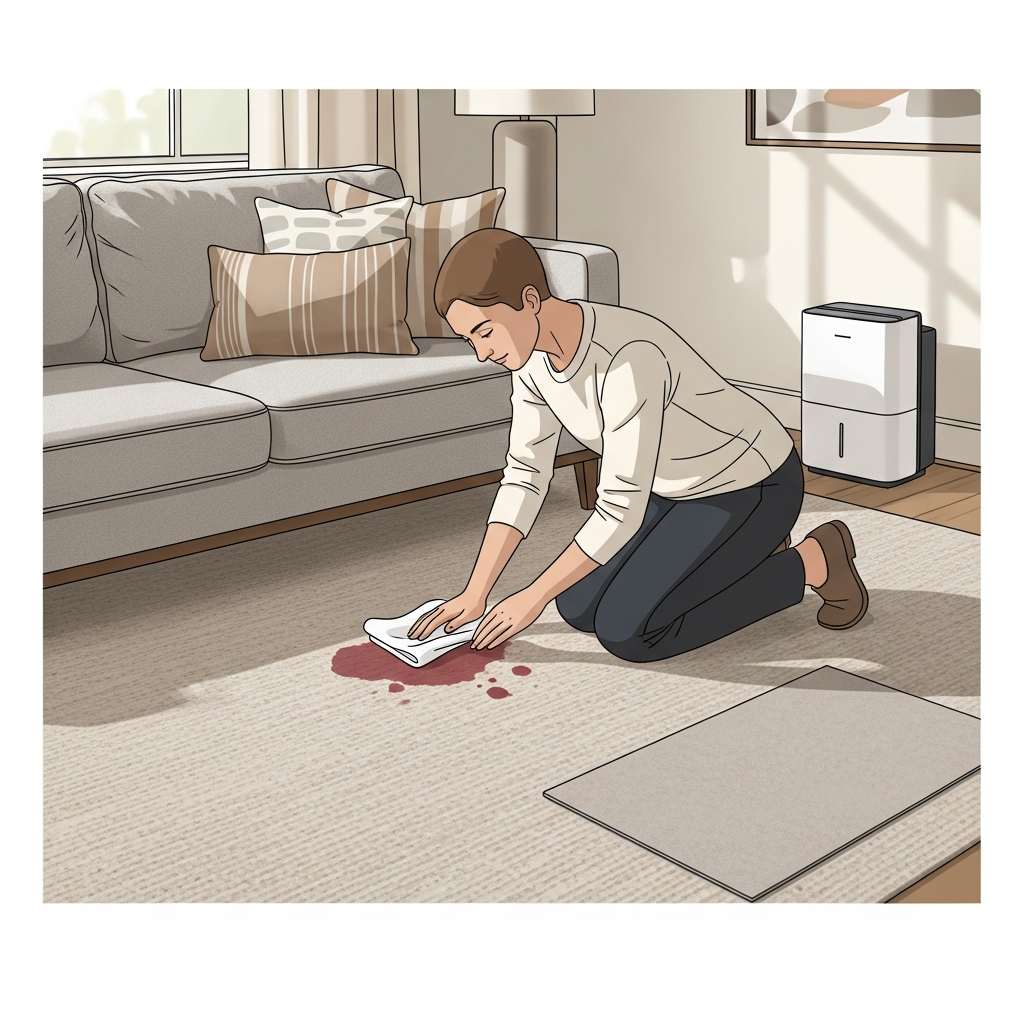
Prompt and careful action can make the difference between stain removal and permanent damage. For liquid spills, blot with a clean white cloth or paper towel to absorb excess. Avoid rubbing, which can push the stain deeper or abrade fibers. For solid spills, gently lift debris with a spoon or blunt edge, being careful not to work material into the pile.
For many organic stains, a simple blotting followed by a mild, pH-balanced spot cleaner applied according to manufacturer instructions may be effective. Test any cleaner in an inconspicuous area first. If a stain is extensive, dark, or has set, contact a professional to avoid accidental damage from inappropriate household remedies.
Special Considerations for Specific Stain Types
Protein stains (e.g., food, blood) respond to enzyme-based cleaners that break down organic matter but must be used at correct dilution and rinsed thoroughly. Tannin stains such as coffee or tea require mild acid rinses followed by neutralizing agents to restore pH balance. Oil and grease are challenging because water alone cannot remove them; dry-cleaning solvents and specialized extraction methods are typically used to dissolve oils before final rinsing.
Ink stains, dye transfers, and paint require careful testing and may need professional-grade solvents and specialized techniques. Avoid home remedies like bleach or ammonia, which can discolor wool and damage fibers. Document the nature of the stain when contacting a cleaner so they can prepare appropriate treatments.
Professional Cleaning Protocols for Wool Rugs
Experts handling wool rugs usually prefer hand washing or controlled wet cleaning with low-sudsing, pH-balanced detergents formulated for natural fibers. They maintain moderate water temperatures and gentle agitation to prevent felting. Thorough rinsing and efficient extraction remove detergent residues that could attract more dirt. Drying is completed in climate-controlled conditions to ensure uniform moisture removal and prevent dye migration.
Technicians will conduct colorfastness tests and adjust cleaning solutions accordingly. If a rug has piled fringe or delicate edges, technicians take extra steps to secure and protect these areas during cleaning. Good providers will explain their methods and provide guidance on expected outcomes for various stains and overall cleaning results.
At-Home Maintenance to Extend Professional Intervals
Routine maintenance keeps a wool rug looking fresh and delays the need for full professional cleaning. Vacuum regularly with a suction-only setting or a brushless attachment to avoid pulling fibers. Rotate the rug to distribute wear evenly and prevent uneven fading from sunlight. Place a high-quality rug pad underneath to cushion the rug and reduce abrasion from foot traffic.
Address spills immediately by blotting and contacting a professional if the stain is significant. Keep humidity levels moderate in your home, as extreme moisture can affect wool fibers and encourage mildew if the rug becomes wet. For pet owners, frequent vacuuming and occasional professional cleanings help manage odors and dander.
What to Expect During Professional Treatment of Wool Stains
When you bring a wool rug to a specialist, expect a thorough initial inspection that documents stains and overall condition. The technician will likely perform colorfastness and fiber tests, take photographs, and then outline a cleaning plan. For stain removal, they may apply a series of targeted treatments—enzyme for organic stains, solvent for oily soils, or specialized color-safe oxidizers—followed by careful rinsing and extraction.
Communicate any concerns about delicate dye patterns, trims, or fringe at the start. A reputable facility will discuss realistic outcomes and explain that while many stains can be substantially reduced, old or chemically altered stains may not disappear entirely without risking damage to the wool fibers or dyes.
Repair and Restoration Options for Wool Rugs
If the rug has damage such as moth holes, frayed edges, or pile loss, restoration may be possible. Moth treatment and stabilization are often performed before or after cleaning depending on severity. Reweaving and patching are specialist tasks that preserve structural integrity and appearance. Always request examples of past repair work and confirm that replacement fibers and dyes will be matched carefully to maintain cohesiveness.
Frequently Asked Questions
Q: Can wool rugs be steam cleaned? A: Steam cleaning (hot water extraction) can be used cautiously on many wool rugs, but it must be done with controlled temperatures and immediate extraction to prevent shrinkage. Technicians adjust parameters to suit wool’s sensitivity.
Q: How soon will a professionally cleaned wool rug be usable again? A: Drying time varies based on thickness, humidity, and cleaning method. Many wool rugs are ready in 24 to 48 hours with proper drying, but thicker or densely woven rugs may take longer. Avoid placing heavy furniture on the rug until it is fully dry.
Q: Are wool rugs hypoallergenic? A: Wool naturally resists dust accumulation to some extent and can be part of an allergy-conscious home if vacuumed regularly and cleaned professionally. Persistent allergen concerns may require more frequent cleaning.
Q: How do I prevent dye bleeding in wool rugs? A: Choose professional cleaners who test colorfastness prior to full cleaning and select pH-balanced, color-safe products. Avoid home treatments that include bleach or harsh chemicals that can destabilize dyes.
Conclusion and Call to Action
Wool rugs deserve careful treatment to maintain their natural beauty and durability. Proper immediate care for spills, regular vacuuming, and periodic professional cleaning are the best strategies to preserve wool fibers and colors. If you are ready for expert stain removal, deep cleaning, or evaluation of repair needs, contact trustworthy professionals with experience in wool rug care. For assistance and scheduling, consider reaching out to professional rug cleaning services who can provide tailored solutions for wool rugs in Elizabeth, New Jersey. Their team can advise on the safest cleaning methods, explain expected outcomes for specific stains, and help you schedule a convenient appointment to restore and protect your wool rugs.