
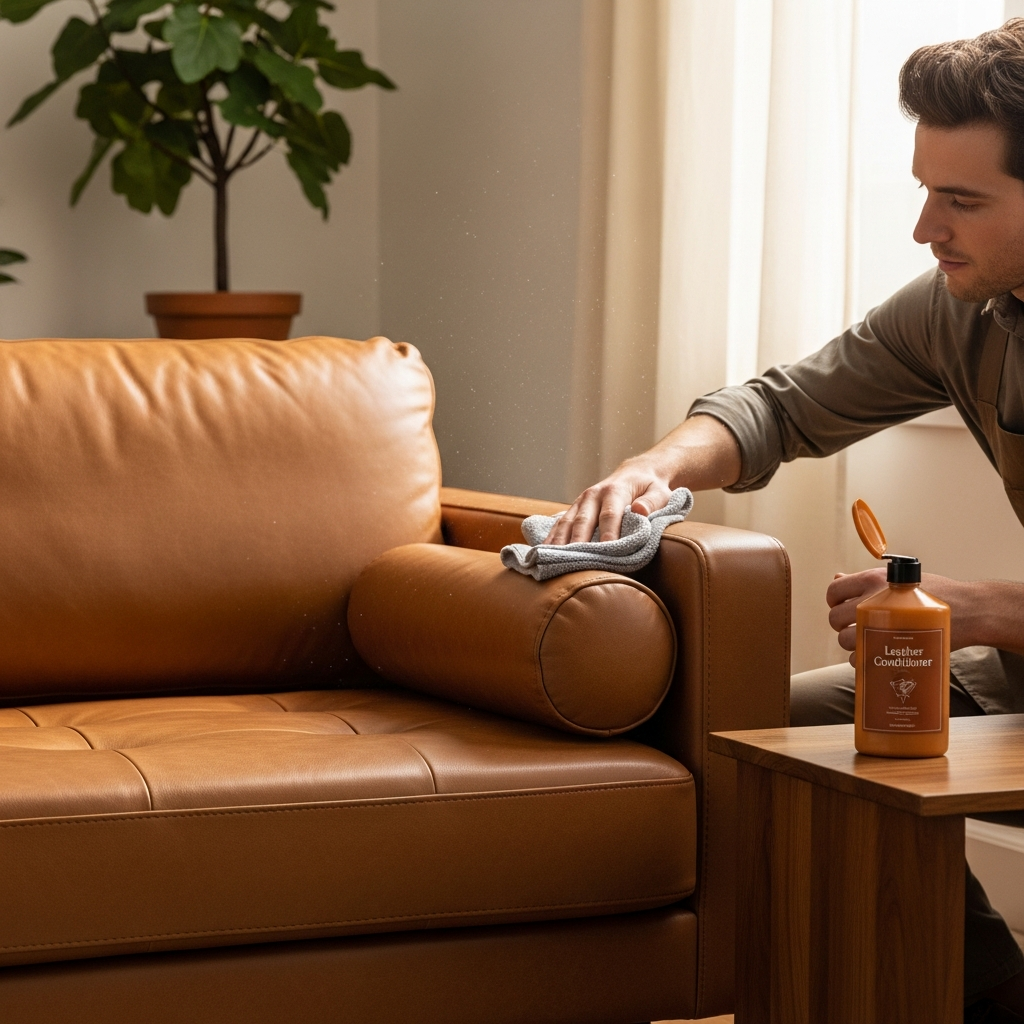
Leather sofas elevate a living room with texture, durability, and timeless style, but caring for them demands different choices than fabric upholstery. In Elizabeth, New Jersey, where winters are dry indoors and summers bring humidity from nearby waterways, leather can alternately lose moisture and absorb airborne oils, leading to dullness, stickiness, or premature wear. This comprehensive guide shares expert strategies for cleaning and conditioning leather, avoiding common mistakes, and planning seasonal care tailored to the local climate. If you are researching trusted help or considering periodic professional maintenance, start by exploring reliable sofa cleaning resources that understand the nuances of leather types and finishes.
Know Your Leather: The Foundation of Every Decision
Before you reach for a cleaner, identify your leather type. The finish determines safe chemistry and techniques:
- Pigmented (Protected) Leather: Most common on family sofas. A thin color coating adds durability and stain resistance; gentle pH-neutral cleaners work well.
- Semi-Aniline: Lightly pigmented with more visible grain and some protection. Requires milder products and careful blotting.
- Aniline (Unprotected): Luxurious, soft, and naturally marked. Absorbs oils and dyes easily and demands minimal moisture, fast blotting, and salon-quality conditioners.
- Nubuck and Suede: Sanded, velvety surfaces that show marks. Clean with specialty tools and very low moisture; re-brushing restores the nap.
Weekly and Monthly Care Routines
Establish small habits for big payoffs:
- Dust and Vacuum: Use a soft brush attachment to remove grit that causes micro-scratches.
- Blot, Don’t Rub: For spills, blot promptly with a white, lint-free cloth to prevent rings.
- pH-Neutral Wipes: Lightly clean high-touch areas (arms, headrests) with a leather-safe wipe; avoid household multi-surface cleaners.
- Condition Quarterly: Apply a high-quality conditioner matched to your leather type to prevent dryness and cracking.
- Rotate Cushions: If removable, rotate or reposition seats to even out wear and sun exposure.
Elizabeth Climate Considerations
Homes near Elizabethport or Midtown often experience humid summers and heated, dry winters. Seasonal adjustments help leather last:
- Winter: Forced-air heat dries leather; condition more frequently and keep sofas away from vents, radiators, and space heaters.
- Summer: Humidity can leave leather tacky; use air conditioning or a dehumidifier to maintain a stable environment.
- Sunlight: Large windows along Broad Street or in high-rise units can expose leather to UV; use sheers or reposition furniture to reduce fading.
Step-by-Step: Safe Cleaning for Protected Leather
For pigmented leather common in busy Elizabeth households:
- Dust and Vacuum Thoroughly: Remove crumbs from seams and under cushions.
- Pre-Test Cleaner: In a hidden area, test for color stability and finish integrity.
- Apply pH-Neutral Leather Cleaner: Dampen a microfiber cloth (not soaking) and wipe in small sections.
- Blot Dry: Immediately follow with a clean, dry cloth to remove residues.
- Condition: Use a compatible conditioner sparingly; buff gently to restore luster.
Spot Scenarios and What to Do
- Grease or Body Oils: Sprinkle a minimal amount of cornstarch, let sit briefly, then brush off and clean; follow with conditioning as needed.
- Ink Marks: Act quickly; dab (do not rub) with a leather-safe ink remover. Some inks may be permanent; consult a pro if unsure.
- Water Rings: Blot and even out moisture by lightly dampening the surrounding area and drying uniformly; avoid saturating aniline leathers.
- Dye Transfer from Denim: Clean promptly with a manufacturer-approved cleaner; aniline may require professional attention.
What to Avoid at All Costs
Certain household habits can quietly ruin leather:
- Harsh Cleaners: Bleach, ammonia, or alcohol-heavy formulas can strip finishes and dry fibers.
- Excess Water: Saturation leads to swelling and finish damage, especially in aniline and nubuck.
- Abrasives: Scrub pads or stiff brushes scratch the surface and dull sheen.
- Heat for Drying: Hairdryers or heaters create cracks; allow gentle air drying only.
Mid-Clean Checkpoint: Are You Overworking the Leather?
Halfway through any deep clean, pause. If your cloth is picking up heavy soil from the arms and headrests, you may be removing accumulated body oils that have softened the finish. Take breaks, refresh cloths, and resist the urge to scrub. When in doubt, step back and evaluate whether a professional visit might deliver better results with less risk. Many households book periodic sofa cleaning for leather alongside fabric upholstery to keep the entire living room in sync.
Conditioning: How Much and How Often
Conditioners replace oils lost to time and climate. Too little, and leather dries and cracks; too much, and it becomes tacky, attracting dust. The right cadence for Elizabeth homes is often quarterly, with a light touch on headrests and arms that receive more natural oil from skin and hair. Use a small amount, spread evenly, and buff after absorption for a smooth finish without residue.
Managing Kids, Pets, and Everyday Life
Leather stands up well to family life when you plan for it. Teach children to keep markers and nail polish away from seating areas, and place washable throws where pets prefer to nap. Trim pet nails to reduce accidental scratches. Vacuum weekly to capture grit that acts like sandpaper on the finish. If an incident does occur, fast blotting and a calm approach go further than aggressive scrubbing.
Frequently Asked Questions
-
Can I use household wipes on my leather sofa? Most multipurpose wipes are too harsh. Choose leather-specific wipes or a pH-neutral cleaner.
-
How do I know if my leather needs conditioning? Dullness, stiffness, or squeaking can indicate dryness. A light, even condition restores suppleness.
-
What about ink or marker lines? Some inks are permanent. Try a leather-safe remover in a hidden area first and seek professional help if uncertain.
-
Is sunlight really that damaging? Yes. UV fades dyes and dries leather. Use window treatments or reposition the sofa.
-
How often should I deep clean leather? Light monthly cleans with a deeper quarterly cycle work well for most Elizabeth households.
-
Can steam cleaning be used on leather? Direct steam is generally not recommended. Use leather-approved cleaners, not fabric-oriented steam tools.
Seasonal Checklist for Elizabeth Homes
- Early Spring: Gentle clean after winter dryness; condition to prep for humidity swings.
- Mid-Summer: Wipe tacky residues more frequently and run a dehumidifier when needed.
- Early Fall: Address late-summer sunscreen and body oils; light condition.
- Mid-Winter: Keep away from heaters and condition if creasing or squeaks appear.
Restore Luster, Preserve Value
Leather rewards thoughtful care. With the right products and timing, you can preserve the natural beauty that drew you to leather in the first place and keep your living room guest-ready year-round. If you would like expert support with delicate finishes or stubborn stains, schedule dependable sofa cleaning for leather that respects the character of your piece and the rhythms of your Elizabeth home.