
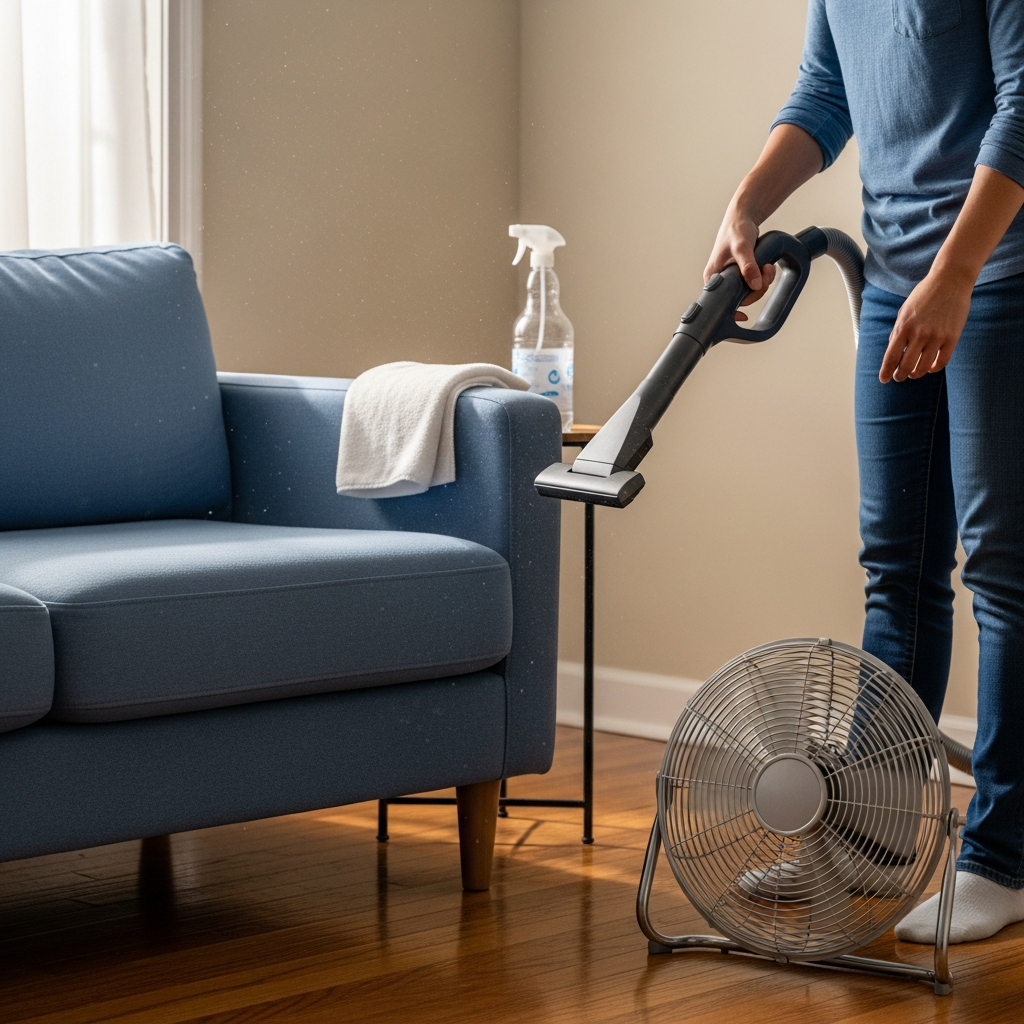
Whether you live near Kean University, along Broad Street, or in a quiet corner of Elmora, keeping a sofa clean transforms daily comfort. DIY sofa care reduces allergens, lifts everyday grime, and extends the time between professional visits. This comprehensive, Elizabeth-focused guide covers fabric identification, safe spot cleaning, step-by-step methods, and seasonal drying strategies that work with New Jersey weather. If you prefer to start with an expert baseline and then maintain results yourself, you can look into trusted sofa cleaning and use the tips below to keep your upholstery fresh longer.
Step 1: Identify Your Fabric and Cleaning Code
Before you clean, locate the upholstery tag, often under cushions or the frame. It usually lists one of four codes:
- W: Water-based cleaners are safe.
- S: Solvent-based cleaners only—avoid water.
- W/S: Water or solvent cleaners; test first.
- X: Vacuum only—seek professional help for stains.
Common Elizabeth sofas include polyester, microfiber, cotton, linen, wool blends, and faux leather. If the tag is missing, test in a hidden area with a lightly dampened white cloth to check colorfastness. For faux leather, avoid heavy solvents and focus on gentle, pH-balanced cleaners.
Step 2: Assemble Safe, Effective Supplies
Keep a compact, reliable kit on hand:
- White, lint-free cloths and microfiber towels
- Upholstery tool and crevice attachment for your vacuum
- Neutral upholstery cleaner matched to your code
- Mild enzyme spotter for food and pet soils (code permitting)
- Soft upholstery brush
- Spray bottle with plain water (for W or W/S fabrics)
- Fans or a small dehumidifier for drying in humid weather
Step 3: Dry Soil Removal
Vacuum slowly with overlapping strokes. Use the crevice tool along seams, under cushions, and at the backrest junction. Removing grit first prevents it from turning into muddy residues when moisture is applied. This is especially important during winter in Elizabeth when street grit migrates into homes.
Step 4: Spot-Test and Pre-Treat
In a hidden area, apply a small amount of your chosen cleaner and blot with a white cloth. If no dye transfers, proceed. For fresh spills, blot—not rub—with a dry white towel. For sticky residues, lightly mist with water (W or W/S only), blot again, and then apply the appropriate cleaner. For S-only fabrics, use a solvent cleaner sparingly and provide good ventilation.
Step 5: Cleaning Methods by Fabric Type
Match your method to your material:
- Microfiber and Polyester (W or W/S): Lightly mist cleaner, agitate gently with a soft brush, and blot. Follow with a plain water mist to remove residues, then blot dry.
- Cotton and Linen (often W/S): Use minimal moisture to avoid water rings. Work in small sections and dry each area promptly with a fan.
- Wool Blends (W/S): Maintain moderate temperature and gentle agitation. Blot thoroughly and avoid over-wetting.
- Velvet and Chenille (varies): Use light pressure, tamp rather than scrub, and groom the nap in one direction after cleaning.
- Faux Leather (S or W/S): Wipe with a pH-neutral cleaner and soft cloth; avoid heavy solvents that dull the finish.
Step 6: Rinse and Residue Control
Residues attract soil. For W and W/S fabrics, a light water mist followed by blotting removes leftover cleaner. For S-only fabrics, stick to approved solvent products and use a clean, dry cloth to lift remaining product. Always work from the outside of a spot toward the center to prevent rings.
Step 7: Smart Drying in Elizabeth Weather
Humidity from Newark Bay can slow drying. Use one or more of these tactics:
- Cross-Breeze: Open two windows to create airflow when weather allows.
- Fans Across Cushions: Move damp air away; avoid blasting one area directly.
- Dehumidifier: Speeds drying in basement apartments or muggy days.
- Warm, Not Hot: Slightly warmer indoor air holds more moisture and helps evaporation.
Pet, Kid, and Daily-Life Strategies
Place washable throws where pets nap, rotate cushions to distribute wear, and vacuum weekly with an upholstery tool. Use coasters and snack trays to catch drips during movie night. Teach children to keep markers and nail polish away from the sofa, and trim pet nails to minimize snags.
Common DIY Mistakes to Avoid
- Skipping the Vacuum: Trapped grit becomes mud during wet cleaning.
- Over-Wetting: Leads to water rings, browning, and slow drying.
- Wrong Chemistry: Using kitchen cleaners on upholstery can cause damage and sticky residues.
- Vigorous Scrubbing: Distorts fibers and spreads stains.
- Ignoring Drying: Without airflow, odors can linger and spots may wick back.
Mid-Project Checkpoint
Halfway through, step back. Is the sofa drying at a similar rate across sections? Are you seeing faint rings? If so, reduce moisture, increase airflow, and blend the edge of the cleaned area outward with a light pass to even tones. If a problem spot resists progress—red wine on cotton, old ink, or a large pet accident—consider pausing and marking it for professional attention. Many residents pair occasional expert visits with steady DIY care to maintain a consistently fresh look. When you are ready for a deeper reset, explore recurring sofa cleaning and then use this guide to keep that just-cleaned feel for months.
Seasonal Care Calendar for Elizabeth Homes
- Early Spring: Address winter grit and salt; deep vacuum and light clean.
- Mid-Summer: Control humidity; short, low-moisture touch-ups with strong airflow.
- Early Fall: Remove sunscreen and snack residues from summer gatherings.
- Mid-Winter: Focus on dry soil removal and quick spot care; avoid over-wetting in dry indoor air.
Frequently Asked Questions
-
What if my sofa has no tag? Test in a hidden spot. If color transfers or water leaves rings, minimize DIY moisture and consult a professional.
-
Can I use a home steam machine? Many are designed for carpets and can over-wet upholstery. Use with caution and controlled passes, or favor low-moisture methods.
-
How do I handle pet accidents? Blot immediately, apply an enzyme spotter (fabric permitting), and provide airflow. Deep, older accidents may need professional extraction.
-
Why do stains return the next day? Wicking draws deep residues back to the surface. Use less moisture, blot more, and dry faster.
-
Is vinegar safe on all fabrics? No. Vinegar can set some dyes and leave odors. Use upholstery-specific cleaners matched to your code.
-
How often should I DIY clean? Weekly vacuuming with quarterly light cleans works for most homes, with spot care as needed.
Putting It All Together
DIY sofa care is a series of small, smart steps: identify the fabric, remove dry soil, treat spots conservatively, control residues, and dry thoroughly. The reward is a fresher living room, fewer allergens, and a sofa that holds up through busy weeks and spontaneous gatherings. When you need a thorough reset or help with persistent stains, schedule dependable sofa cleaning and then return to these methods to maintain a clean, comfortable space.