
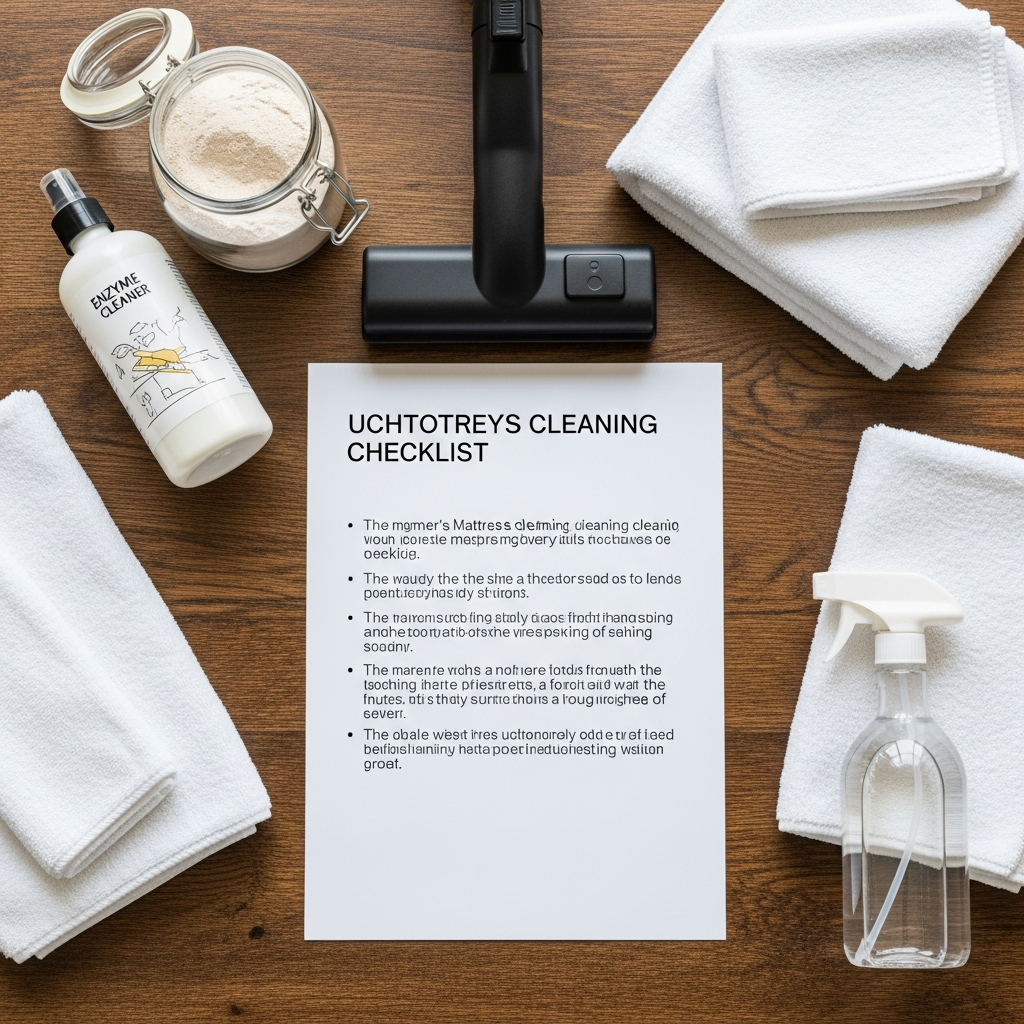
Starting a mattress cleaning routine in Elizabeth, New Jersey can feel intimidating, but a clear checklist makes it simple, safe, and effective. This beginner-friendly plan focuses on practical steps suited to our local climate, where humidity and seasonal pollen demand a little extra attention. If you are curious how your results might compare with professional methods as you learn the ropes, you can review this helpful keyword and adapt the checklist to your mattress type.
Before You Begin: Know Your Mattress
- Locate the care tag and note codes like “W,” “S,” or “W/S.”
- Identify materials: memory foam, latex, hybrid, or innerspring.
- Check for existing stains, odors, and any seam damage.
- Plan for airflow: open windows if weather allows, set up a fan, or run a dehumidifier.
Basic Supply Kit
- Vacuum with upholstery and crevice tools
- White cloths or microfiber towels
- Distilled water
- Enzyme cleaner for protein-based stains
- Color-safe oxygen cleaner
- Mild detergent solution in a spray bottle
- Baking soda
- Optional: garment steamer for steam-approved mattresses
Step 1: Strip and Launder
- Remove sheets, pillowcases, protectors, and toppers.
- Launder textiles according to labels; use warm to hot water as safe.
- Dry completely to prevent reintroducing moisture.
Step 2: First Vacuum Pass
- Use overlapping strokes; go slowly.
- Run the crevice tool along seams, handles, and tufting.
- Increase passes if you live near traffic-heavy areas or during pollen season.
Step 3: Identify and Prioritize Stains
- Protein stains: sweat, urine, blood—use enzyme cleaner and cool water blotting.
- Oil-based stains: body oils, lotions—use mild detergent or oxygen cleaner.
- Tannin stains: coffee, tea—use gentle detergent solution.
- Unknown stains: start with the mildest approach and test first.
Step 4: Spot Treatment Technique
- Apply cleaner to a cloth, not directly on the mattress.
- Lightly pre-dampen the spot with distilled water unless prohibited.
- Blot from edges toward center; never scrub aggressively.
- Rinse by blotting with a damp cloth; finish with a dry cloth.
Step 5: Deodorize the Surface
- Dust a fine layer of baking soda across the mattress.
- Let sit 30–60 minutes; longer on humid days.
- Vacuum thoroughly to remove all residue.
Step 6: Optional Steam (If Approved)
- Hover the steamer a few inches above the surface; keep passes brief.
- Ventilate immediately and use fans to move moist air away.
- Skip entirely for foam that is not steam-safe.
Step 7: Drying and Airflow
- Elevate or angle the mattress to expose more surface to air.
- Use fans or a dehumidifier, especially in humid Elizabeth summers.
- Ensure every section feels cool and completely dry before remaking the bed.
Step 8: Rotate and Protect
- Rotate head-to-foot every three to six months.
- Add a breathable, waterproof protector.
- Launder the protector monthly and inspect seams.
Seasonal Adjustments for Elizabeth Homes
- Spring/Fall: Increase vacuum frequency due to pollen influx.
- Summer: Clean during lower-humidity hours; extend drying time.
- Winter: Use dry indoor air to your advantage, but vacuum dust more often.
Mid-Checklist Review
At this point—after vacuuming, spot cleaning, and deodorizing—reassess stains and odors. Touch-test for dryness and ensure airflow is steady. If you want a benchmark for pro-level results or prefer to add a periodic deep reset to your routine, check this trusted keyword as you plan the remainder of your session.
Emergency Spill Response
- Act immediately: blot with white cloths to remove as much liquid as possible.
- Apply an enzyme cleaner for biological spills; allow proper dwell time.
- Rinse by blotting with distilled water; avoid oversaturation.
- Apply baking soda, allow to sit, then vacuum thoroughly once dry.
Room-Wide Freshness Boosters
- Vacuum floors, including under the bed, during each mattress session.
- Dust baseboards and vents; replace or clean HVAC filters as scheduled.
- Wash drapes or wipe blinds to reduce dust fall-back.
- Air out the room on clear, low-humidity days.
Beginner Don’ts
- Don’t soak foam or pillow-tops.
- Don’t use hot water on protein stains.
- Don’t scrub aggressively; blot patiently.
- Don’t remake the bed until the mattress is fully dry.
Beginner Do’s
- Do keep a small spill kit nearby: cloths, enzyme cleaner, distilled water.
- Do schedule seasonal deep cleans with rotations.
- Do use a protector to prevent future stains.
- Do test cleaners on a hidden area first.
Frequently Asked Questions
Q: How long does a full beginner session take?
A: Typically 2–3 hours including drying time, though humidity can add time in summer.
Q: What if I see water rings after spot cleaning?
A: Expand your blotting area slightly beyond the stain boundary, then apply baking soda and vacuum thoroughly after drying.
Q: Can I flip my mattress?
A: Most modern mattresses are one-sided; rotate instead of flipping unless your model is double-sided.
Q: Is steam necessary?
A: No. It is optional and only advisable for steam-approved mattresses with strong ventilation.
Q: How often should I launder protectors?
A: Monthly is a good rule; increase frequency for allergy sufferers or heavy use.
Q: Are essential oils safe to add?
A: Many can leave residues and trigger sensitivities. Stick to baking soda and regular laundering for neutral freshness.
Q: What if odors return quickly?
A: Revisit enzyme treatment, ensure complete drying, and evaluate the room for dust or moisture issues.
Final Review and Next Steps
Walk through the checklist one more time: vacuumed thoroughly, stains addressed with minimal moisture, baking soda applied and removed, airflow maintained until fully dry, and a protector installed. You are building a dependable routine that fits Elizabeth’s seasonal demands and your household schedule. If you would like to pair this beginner checklist with periodic expert help or learn advanced techniques, explore this reliable keyword to round out your plan.
Start Your Simple Routine Today
Pick a mild-weather afternoon, gather your supplies, and follow the steps calmly. With patience and smart airflow, your mattress will feel fresher, drier, and more comfortable. For extra peace of mind or a once-a-year deep refresh, arrange support through this convenient keyword and rest easy knowing your routine is on the right track.