
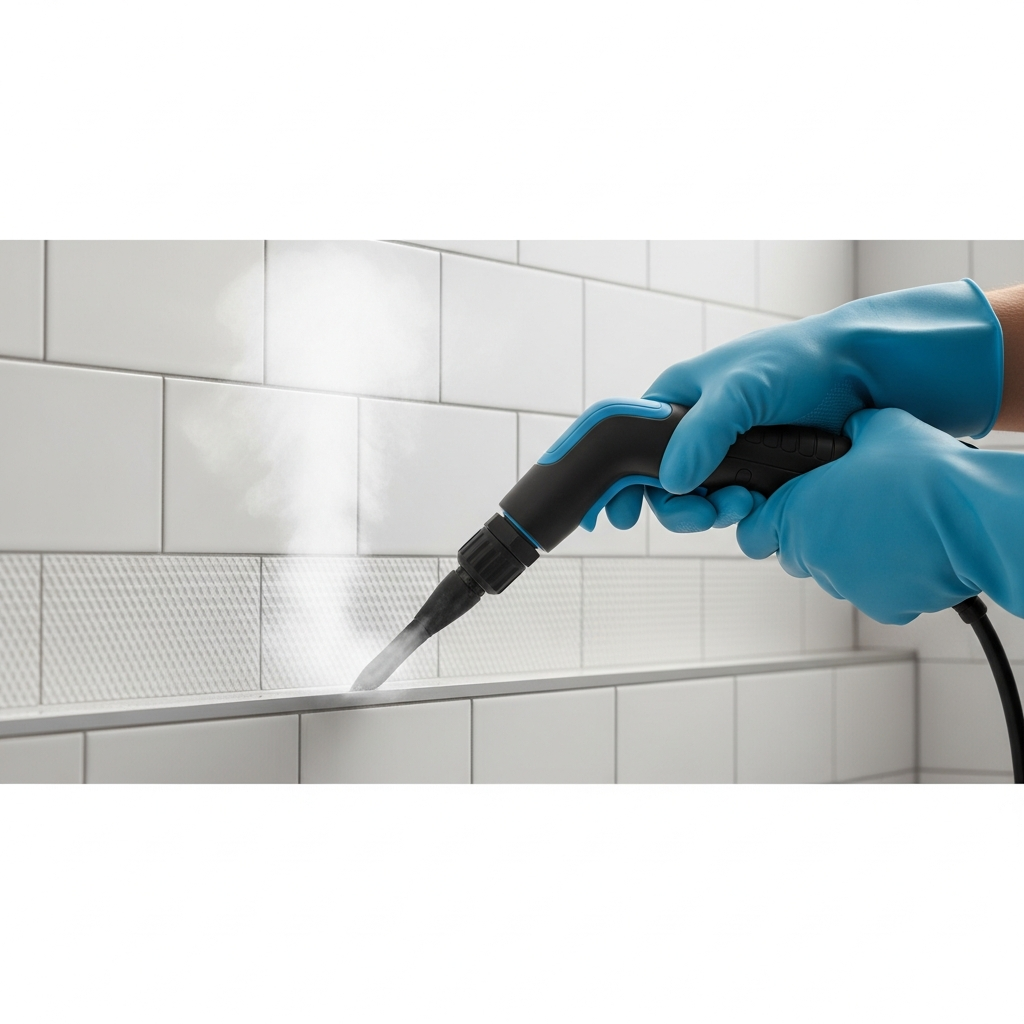
Steam cleaning for tile and grout in Elizabeth, New Jersey inspires strong opinions, and for good reason: used wisely, steam can be a powerful ally; used carelessly, it can disappoint or even cause problems. Homeowners and property managers often hear that steam is the cure-all for bathroom grout, kitchen floors, and textured porcelain. The reality is more nuanced. Steam is a tool—one of many—best applied with a clear understanding of material, soil type, and the need for effective soil removal afterward. In Elizabeth’s varied homes and buildings, the smartest outcomes come from a method that integrates steam, chemistry, agitation, and extraction as needed, rather than relying on any single tactic.
How steam works on tile and grout
Steam delivers heat and a small amount of moisture, softening certain residues and loosening light soils. On ceramic and porcelain, heat can help dissolve soap film, body oils, or light kitchen residues, and it may assist in sanitizing surfaces. The pressurized vapor can also reach into texture and along grout lines. But steam does not inherently remove soils; it mobilizes them. Without an extraction step, loosened grime can settle back into grout pores or spread as a thin film over tile faces. That is why professionals pair steam with controlled rinsing and recovery or selectively use steam for detail work in corners, edges, and fixtures.
When steam shines
- Detail cleaning of corners, baseboard edges, and tight spaces where brushes struggle
- Breaking down soap film on glazed ceramic in showers before a thorough rinse
- Loosening light grease on backsplashes and low-texture kitchen tile
- Helping sanitize non-porous surfaces as part of a broader cleaning protocol
Where steam can stumble
- Heavy, embedded soils in porous grout without follow-up extraction
- Natural stones like marble or travertine where heat and moisture may exacerbate etching or issues
- Old, cracked grout where pressure may drive moisture deeper
- Situations with existing residues from prior cleaners that require chemistry to break down effectively
Steam vs. chemistry: a balanced perspective
Some soils respond best to alkaline cleaners (oils, cooking residues), others to mild acidic descalers (mineral deposits). Heat can accelerate reactions, but chemistry does the heavy lifting in many cases. Professionals in Elizabeth often test small areas with the appropriate solution, then decide whether steam will speed the process or whether mechanical agitation and extraction will be more effective. The goal is to suspend soils fully and remove them with a rinse and vacuum step so the surface is left neutral and residue-free.
Risks of overreliance on steam
Steam alone can give the impression of cleanliness while leaving soils behind. It may also drive moisture into porous grout that is not immediately or effectively extracted, extending dry times in cool or humid conditions. On some finishes, repeated exposure to intense heat can contribute to grout deterioration or compromise sealers. Additionally, if the operator moves too quickly, soils do not have time to loosen; move too slowly and you risk overwetting localized areas. Balanced technique and follow-up matter more than the mere presence of a steam tool.
Integrating steam into a comprehensive process
The most reliable approach treats steam as one option in a toolkit. A typical professional workflow starts with dry soil removal, applies targeted chemistry with dwell time, agitates with brushes or machines, and then rinses and extracts soils thoroughly. Steam may appear at edges or for stubborn soap film after chemistry has already weakened the bond. This layered method respects the surface and ensures that anything dislodged is also removed, not redistributed. The result is a brighter, easier-to-maintain floor or shower with less chance of rapid re-soiling.
Elizabeth-specific considerations
Local water hardness, winter salt, and humidity influence how soils form and adhere. Mineral deposits in showers may require a controlled descaler before steam. Winter residues tracked inside mix with oils and fine grit; chemistry and mechanical agitation usually precede any steaming. In basements or older buildings with limited ventilation, controlling moisture and ensuring quick drying is important; steam used sparingly with robust extraction and air movement helps prevent musty odors and prolongs the life of grout and subfloors.
Natural stone caution
Many homeowners love marble, travertine, or limestone, but these stones can be sensitive to acids and can show etch marks where mild acids or aggressive actions have changed the surface. While steam may seem gentle, the combination of heat and moisture can still be problematic if not used judiciously. Professionals verify the stone type, test a discreet area, and often lean on neutral cleaners, soft agitation, and controlled rinsing. If a seal is present, they also consider whether heat could affect it and plan accordingly.
Pros of steam cleaning
- Can loosen light residues and assist in sanitization on non-porous surfaces
- Reaches detail areas and fixtures effectively
- Reduces reliance on strong fragrances or unnecessary additives
- Useful adjunct step after chemistry has broken down soils
Cons of steam cleaning
- Does not inherently remove soils; needs extraction or thorough wipe-up
- Limited impact on heavy, embedded grout contamination
- Potential to push moisture deeper into porous materials if misused
- Not ideal for all stones or delicate finishes
Choosing the right method for your material
For glazed ceramic and dense porcelain, heat can help, especially with soap film or light oils. Textured porcelain benefits from mechanical brushing to dislodge soils trapped in micro-crevices; steam can add value during detail phases. For epoxy grout, which is less porous, steam may assist with surface film removal, though chemistry still plays a role. For cementitious grout, careful use of steam must be paired with extraction to avoid leaving mobilized soil in the pores. A provider who evaluates your exact surfaces and soils will select the right blend and explain the reasoning.
Measuring success beyond the sheen
Shine alone is not the best metric. Observe grout shade uniformity, check slip resistance (especially in kitchens or commercial spaces), and note how easily the surface stays clean afterward. If the floor soils rapidly, residue may remain, signaling the need for a more complete suspension and removal process. The best results come when all steps—dry prep, chemistry, agitation, rinse, extraction, and targeted steam—work in concert to reset the surface.
Mid-course corrections during service
Experienced technicians constantly evaluate. If steam is not achieving the intended improvement, they pivot to a different brush, adjust dwell time, or switch to a more suitable cleaning agent. If mineral scale is stubborn, they may shift to a carefully controlled descaler with immediate neutralization. If moisture is accumulating in a poorly ventilated bath, they deploy air movers to shorten dry time. This adaptability ensures the method serves the material, not the other way around.
Home care that complements professional work
After a comprehensive service, maintain the reset with simple routines. Use neutral pH cleaners, change mop water often, and dry or squeegee wet areas to discourage mineral deposits. Place mats at entries to capture grit and winter salts, and vacuum regularly. If you have sealed grout, perform a quick water bead test periodically; if water soaks in instead of beading, ask about resealing. These small habits extend the benefit of a professional visit and reduce the urge to overuse any one tool—steam included.
Frequently Asked Questions
Q: Is steam safe for all grout? A: Generally safe with care on intact cementitious grout and many epoxies, but it should be combined with extraction and not used as the sole method on heavy contamination.
Q: Can steam replace chemicals entirely? A: Not typically. Certain soils require chemistry to break bonds. Steam can assist, but comprehensive results usually rely on a mix of methods.
Q: Will steam disinfect my bathroom? A: Steam can assist with sanitization on non-porous surfaces, but results depend on contact time and temperature; routine cleaning and proper rinsing remain essential.
Q: Is steam okay for natural stone? A: Caution is advised. Evaluate the stone and seal first; many pros prefer gentler approaches for marble, travertine, and limestone.
Q: Why does grime return after steaming? A: Without proper extraction, loosened soils can resettle. Pair steam with rinsing and recovery to prevent rapid re-soiling.
Choose methods that fit your surfaces
Steam is valuable when used thoughtfully, but it is not a standalone cure. The best outcomes arise from a toolkit approach that respects your material, treats your specific soils, and ensures complete removal. If you want consistent, long-lasting results in Elizabeth’s homes and buildings, partner with specialists who evaluate first, explain their plan, and integrate tools intelligently. Start with expert tile and grout cleaning to build a reliable foundation, then apply steam where it adds the most benefit—at edges, on light films, and as part of a complete, well-rinsed process.