
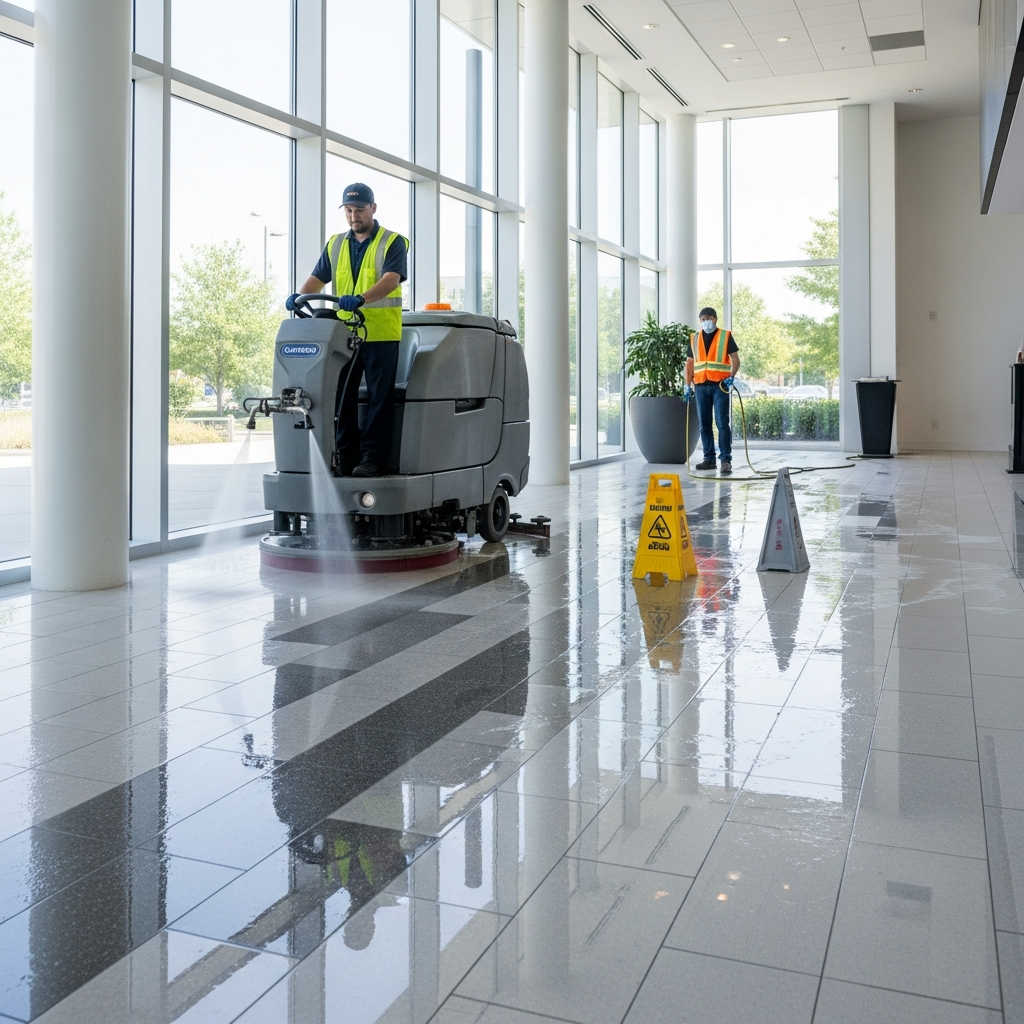
Commercial tile and grout cleaning in Elizabeth, New Jersey demands a strategic balance of speed, safety, and thoroughness. From bustling restaurants near busy corridors to healthcare clinics, schools, retail boutiques, and corporate lobbies, each facility faces unique soil loads, foot traffic patterns, and regulatory requirements. A reliable commercial partner recognizes that grout is porous, tile finishes vary, and schedules are tight, so the plan must be precise: rapid setup, targeted chemistry, robust agitation, effective extraction, and quick drying. The objective is not only a brighter, more attractive floor but also a healthier, more slip-safe environment that supports staff productivity and customer confidence day after day.
The commercial difference: scale, consistency, and accountability
Commercial properties scale up everything: square footage, traffic, and the cost of downtime. That is why the best providers deploy teams who can standardize results across large spaces, document procedures, and communicate clearly with facility managers. Detailed site assessments map tile types, grout conditions, and zones of special concern, from food prep lines and cashier stations to restrooms and entries. A thoughtful scope of work sets cleaning frequencies, assigns responsibilities, and establishes performance indicators so stakeholders can track progress and hold the vendor accountable.
Material awareness across varied facilities
Elizabeth’s commercial properties feature a mix of dense porcelain, glazed ceramics, quarry tile, luxury restrooms with polished finishes, and sometimes natural stone in executive areas. Each material dictates pH range, agitation intensity, and extraction method. Grease-heavy kitchens require robust alkaline solutions and mechanical agitation, followed by thorough rinsing to restore slip resistance. Restrooms may need descaling to remove mineral and soap residues on grout, while retail spaces benefit from neutral cleaners that avoid filming. A skilled provider tailors workflows per zone so results remain consistent even when the properties vary widely within a single campus or portfolio.
Safety first: slip resistance and indoor air quality
Clean floors are safer floors. Grease films and detergent residues reduce traction, particularly in kitchens or polished public areas. Professional cleaning targets these films and extracts them fully, restoring the floor’s intended slip profile. On the air quality front, low-residue chemistry, high-flow rinsing, and fast drying help minimize odors and airborne irritants. Crews protect nearby merchandise, equipment, and finishes, and they manage cords and hoses to maintain clear, safe pathways throughout service.
Scheduling around operations
Commercial cleaning must align with operating hours, events, and delivery schedules. Night or early-morning work reduces disruption; phased cleaning isolates zones so employees and customers can continue moving safely. Clear start and end times, noise awareness, and communication with on-site managers keep everything on track. Many providers establish recurring maintenance plans that address high-use areas more frequently—such as entryways, corridors, and restrooms—while deep cleaning lower-traffic areas on a longer cycle. This tiered strategy optimizes appearance and hygiene without interrupting core business activities.
The commercial cleaning workflow
- Assessment and mapping of floor types, grout health, thresholds, drains, and transition strips.
- Dry soil removal with commercial vacuums to collect grit and prevent slurry creation.
- Targeted chemicals applied with measured dwell time; alkaline for oils and grease, acidic for mineral scale where appropriate.
- Mechanical agitation using CRB or rotary equipment to reach texture and grout lines evenly.
- Hot water extraction with controlled pressure to retrieve suspended soils without damage.
- Fast drying aided by air movers and ventilation, returning areas to service quickly.
- Optional sealing of porous grout for longer-lasting cleanliness and simpler daily upkeep.
Documentation and quality control
Professional vendors provide checklists, photos, or reports that summarize work performed, zones serviced, and observations like cracked grout, loose tiles, or persistent staining. This documentation supports risk management, budgeting for repairs, and ongoing scheduling. Supervisors perform spot checks and client walkthroughs before completion to confirm results and address punch-list items. Establishing a repeatable, verifiable process ensures continuity even when staff or schedules change.
Regulatory and brand considerations
Food service operations must uphold sanitation standards, and healthcare clinics manage infection control protocols. Clean, residue-free tile helps meet these goals by making daily disinfection more effective and reducing harborage points for soils and microbes. Retail and hospitality spaces also rely on pristine floors to reinforce brand image. Poorly maintained grout telegraphs neglect; bright, even grout supports an atmosphere of care and quality. Commercial providers leverage training and auditing to align results with your compliance and branding objectives.
Mid-contract optimization
Over time, facilities evolve: foot traffic shifts, menu items change, seasons bring new challenges, and renovations add transitions or new materials. The best commercial partners revisit the plan, revise chemical choices, re-balance frequencies, and recalibrate methods to address emerging patterns. For example, winter salt and moisture tracked into entryways might require more frequent dry soil removal and targeted neutral cleaning, while summer humidity might demand extra attention to restrooms and locker areas where moisture accumulates.
Employee education and daily upkeep
Professional deep cleaning works best when daily maintenance is aligned. Vendors can train janitorial teams to use neutral cleaners, change mop water frequently, and adopt flat mops or autoscrubbers with proper pads. They can show how to perform water break tests on sealed grout to know when to request resealing and how to place walk-off mats for maximum soil capture. By turning staff into informed partners, you create a feedback loop that sustains the clean between scheduled services.
Handling special materials and spaces
Executive suites with natural stone require sensitive chemistry and careful sealing; kitchen quarry tile benefits from powerful degreasing and deep extraction to restore traction; lobby porcelain may have textured faces that trap soils and require vigorous brushing. Stair treads, thresholds, and grout transitions need extra detail work. Locker rooms, showers, and pool decks introduce moisture and bio-loads that call for focused, frequent care. Experienced providers recognize these differences and train crews to adapt without sacrificing speed or consistency.
Communication that keeps downtime low
Clear communication with facility managers sets expectations about staging, noise, access, and return-to-service times. When surprises arise—like a previously unknown moisture issue or grout deterioration—teams explain options and propose a logical sequence: address the root cause, stabilize the surface, then fine-tune maintenance. This collaborative problem-solving reduces repeated issues and ensures each visit moves your facility closer to a long-term cleanliness standard.
Performance metrics worth tracking
- Slip-resistance improvements verified through observation or testing
- Uniform grout shade compared to baseline photos
- Reduced complaints or work orders about dirty floors
- Shorter daily cleaning times as residues are eliminated
- Longer intervals between visible re-soiling in high-traffic areas
Frequently Asked Questions
Q: Can you work overnight or on weekends? A: Yes, commercial schedules are often built around off-hours to minimize disruption and expedite drying before opening.
Q: How do you protect merchandise and fixtures? A: Crews isolate zones, use corner guards and drop cloths where needed, and manage hoses to maintain safe walkways.
Q: Will cleaning improve slip resistance? A: Removing grease films and residues restores the floor’s intended traction, especially critical in kitchens and wet areas.
Q: Is sealing appropriate for commercial grout? A: In many cases, yes. Penetrating sealers reduce absorbency, making daily cleanup faster and more effective; timing and product choice depend on the area’s use.
Q: How often should commercial areas be cleaned? A: Frequency depends on traffic and soil type; entries, kitchens, and restrooms typically require more frequent attention, while offices may be scheduled on longer cycles.
Bring consistency and shine to your facility
Elizabeth businesses thrive on reliability and presentation. A well-planned program restores clarity to grout lines, removes residues that dull tile, and supports safe, efficient operations. If your team spends too much time battling buildup or you are unsatisfied with current outcomes, partner with specialists who blend speed with precision, adapt to your footprint, and document every visit. Start with professional tile and grout cleaning and elevate the look, hygiene, and confidence of every space customers and staff touch.