
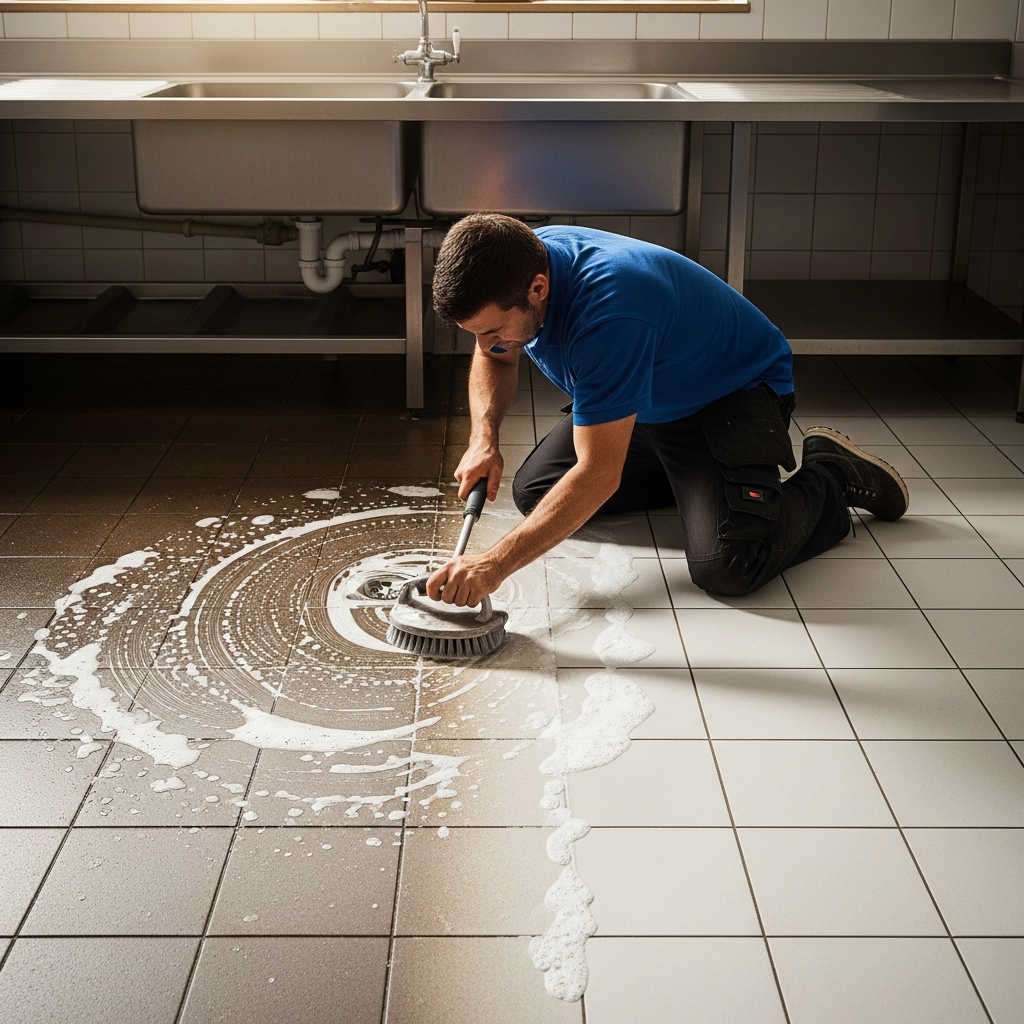
Stained grout can make even the most beautiful tile look neglected, and in Elizabeth, New Jersey, the mix of winter salt, summer humidity, and daily spills accelerates discoloration. Because grout is porous, tiny channels absorb liquids and trap fine particles that mopping cannot fully remove. Over time, stains set, odors linger, and the contrast between tiles and darkened lines becomes pronounced. The good news is that a purpose-built cleaning and restoration service can reverse much of this damage, often revealing grout far closer to its original shade. Beginning with targeted professional tile and grout cleaning restores color, resets the surface, and simplifies your daily routine so stains are less likely to return.
Why grout stains form
Unlike non-porous glazed tile, grout behaves like a sponge. Oils, colored beverages, tracked-in grit, soap film, and mineral deposits migrate below the surface and bind to the matrix. DIY products may shift surface soils but leave residues behind, which then attract more dirt. In showers and baths, moisture and body oils invite mold and mildew staining; in kitchens, cooking splatter and foot traffic push oils into channels; and at entryways, salt and fine grit grind in and chemically interact with the grout over time. Understanding the chemistry of these stains is the first step in choosing a solution that works.
Types of stains and targeted solutions
- Organic stains (food, beverages, tracked soil): Typically respond to alkaline cleaners and mechanical agitation that suspends oily residues for removal.
- Mineral stains (hard water, efflorescence): Often require controlled acidic descalers followed by a neutralizing rinse to rebalance the surface.
- Biological staining (mildew, mold): Benefit from thorough cleaning, moisture control, and ventilation; sealing helps reduce future moisture absorption.
- Set-in discoloration (dye migration, long-term wear): May lighten with cleaning but often achieve best visual results with color sealing.
The professional workflow for stained grout
Expert service hinges on assessment and tailored steps. First, technicians inspect tile type, grout condition, prior sealing history, and the nature of the stains. Second, they remove dry debris to prevent slurry during wet cleaning. Third, they apply targeted chemistry with dwell time so reactions occur in the pores, not just on the surface. Fourth, they agitate using grout brushes and machine agitation to loosen embedded soils evenly. Fifth, they rinse with controlled pressure and hot water extraction to pull residues out. Finally, after drying, they evaluate the need for sealing—clear or color—to protect the fresh surface and unify appearance.
Clear sealing vs. color sealing
Clear penetrating sealers reduce absorbency so new stains cannot take hold as easily, buying time to wipe up spills. Color sealing takes things further by adding a uniform pigmented layer that restores grout color while providing protective benefits. Color sealing excels when grout appears blotchy after cleaning or when permanent stains remain. Both options depend on proper preparation and dry times. A skilled team will advise which approach fits your goals, traffic, and maintenance routines in Elizabeth’s climate.
Preparing your space for restoration
- Declutter floors and remove small rugs to provide full access to grout lines.
- Vacuum or sweep thoroughly to capture loose grit.
- Identify high-priority stains or sensitive areas for the technician.
- Secure pets, plan access for hoses and cords, and ensure nearby electrical outlets are available.
- Discuss furniture movement and any prior treatments or DIY attempts that might influence product choice.
Care after deep cleaning
Once stains are lifted and, if chosen, a seal is in place, maintenance becomes simpler and more effective. Use neutral pH cleaners that do not leave sticky films. Change mop water frequently and wring well to avoid saturating grout. In showers, squeegee after use and maintain ventilation to limit humidity. At entries, use walk-off mats long enough to capture grit and winter salts before they reach grout lines. These habits extend the life of your clean and protect the even, refreshed look you’ve just achieved.
When stains resist removal
Some discoloration represents a permanent change in grout pigment or wear at the surface. In these cases, honest communication matters. Technicians will explain the difference between removable soil and altered grout, then propose color sealing to unify the look. When grout is missing or crumbling, spot repairs may precede sealing. The goal is a realistic, attractive finish that respects the material’s condition and your expectations for durability and maintenance.
How Elizabeth’s environment influences staining
Regional factors shape grout challenges. Winter brings de-icing compounds and grit that etch their way into entry grouts. Spring and summer humidity fosters moisture-related spotting in showers, laundry rooms, and below-grade baths. Fall debris can introduce tannins and fine dirt. These cycles argue for a seasonal mindset: increase dry soil removal in winter, prioritize de-scaling showers where water spots emerge, and ventilate consistently. A service partner familiar with local conditions can calibrate chemistry and cadence to match the patterns you face.
DIY pitfalls that deepen stains
- Using vinegar or strong acids indiscriminately, which can etch or weaken grout
- Relying on bleach for color only; it may lighten temporarily while leaving residue and moisture behind
- Scrubbing with wire brushes that gouge grout and trap more soil later
- Applying sealer over damp or dirty grout, trapping stains in place
- Skipping dry soil removal before wet cleaning, creating a muddy slurry
Detail work that makes a visible difference
Thorough cleaning depends on more than open areas. Edges along baseboards, corners, under toe kicks, around appliances, and thresholds demand focused attention. Professionals use detail brushes, edge tools, and targeted steam only where beneficial, then follow with extraction so loosened soils do not resettle. This methodical detail work often accounts for the noticeable “pop” customers see in before-and-after comparisons, especially where shadows once accentuated dirty grout lines.
Mid-service adjustments to stubborn stains
Experienced technicians constantly refine their approach. If alkaline cleaning does not fully release a kitchen stain, they may switch to a solvent booster or extend dwell time with agitation. If mineral scale resists in a shower, they may move to a controlled descaler with immediate neutralization and thorough rinsing. When color sealing is planned, they confirm that the grout is fully clean and dry so the seal adheres and lasts. This flexibility delivers a better outcome than any single method applied rigidly.
Assessing success: beyond the first impression
After cleaning, look for uniform grout shade, crisp tile edges free of haze, and a surface that resists quick re-soiling. Perform a simple water bead test on sealed grout to confirm repellency. Observe how easy it is to remove minor spills and footprints compared to before. True success shows in daily life: faster, more satisfying cleanups and a floor that stays bright longer between deep services.
Frequently Asked Questions
Q: Will all stains come out? A: Many stains lighten dramatically with proper cleaning and extraction; permanent discoloration can be resolved visually with color sealing for a uniform look.
Q: How long does the area need to dry? A: Dry times vary based on ventilation and material; your technician will outline timelines, especially if sealing is planned afterward.
Q: Is sealing always required? A: Not always, but sealing porous grout helps prevent rapid re-staining and simplifies maintenance, particularly in kitchens, baths, and entryways.
Q: Can you work on natural stone installations? A: Yes, with tailored chemistry and method; some stones require gentler products and specific sealers.
Q: Will there be strong odors? A: Modern, low-residue products and thorough rinsing minimize lingering scent; ventilation speeds the return to normal.
Restore the look of your grout with confidence
If dark lines, blotchy patches, or lingering odors are distracting from the beauty of your tile, now is the ideal time to bring in a team that specializes in stain removal, balanced chemistry, and meticulous extraction. With a precise plan—from inspection through optional color sealing—you can reclaim the crisp contrast and fresh, healthy feel you remember. Connect with experts who understand local conditions, respect your materials, and guide your routine for lasting results, beginning with comprehensive tile and grout cleaning that sets the stage for long-term protection and easy upkeep.