
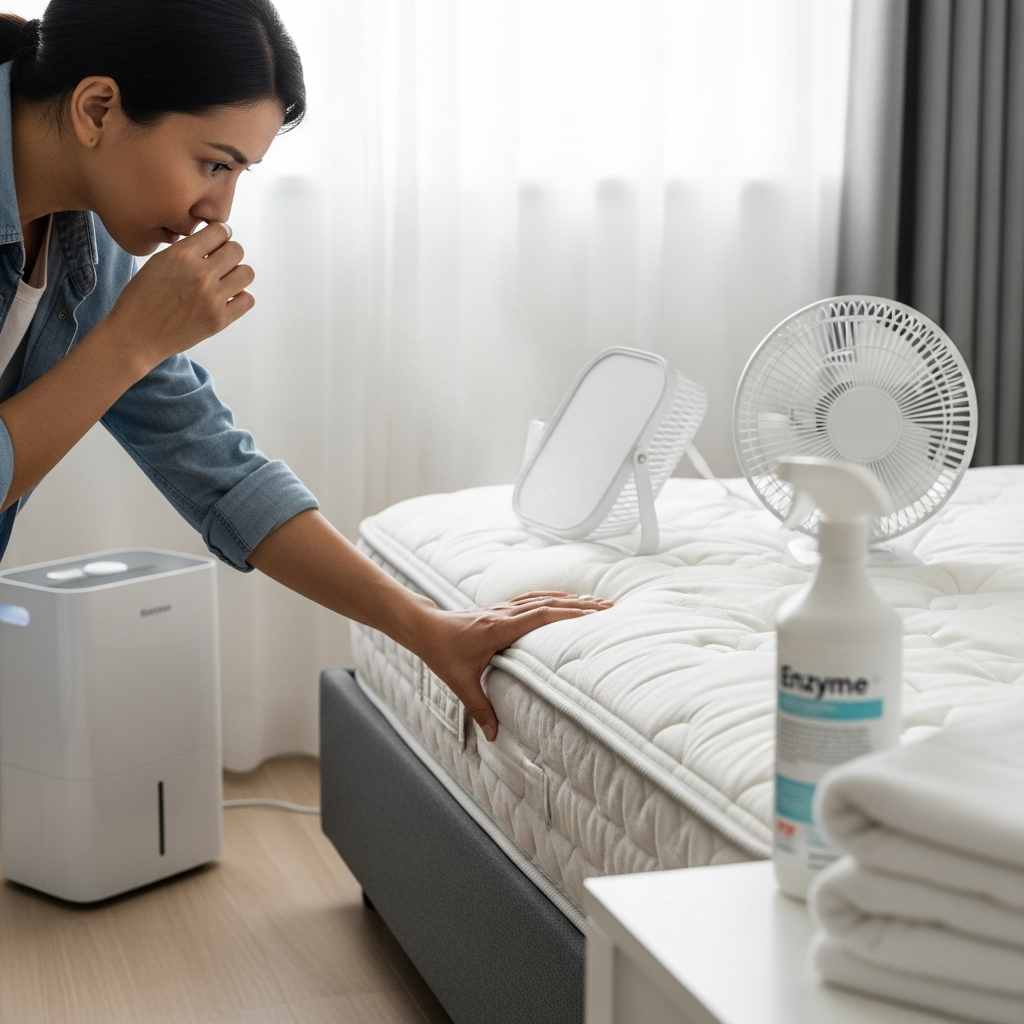
Cleaning a mattress sounds simple until an unexpected odor lingers, a yellow ring resurfaces overnight, or a damp patch refuses to dry in New Jersey’s humid air. If you live in Elizabeth and need a practical, step-by-step way to diagnose and fix mattress problems, this troubleshooting guide will walk you through proven methods. You will learn how to identify the source of common issues, avoid mistakes that make problems worse, and set up your room so each fix actually works the first time. Early on, consider whether a periodic professional reset could help you stay ahead; if needed, you can always combine DIY with expert mattress cleaning to keep your bed truly fresh.
Start with a quick diagnosis checklist
Before you reach for a cleaner, gather the facts. Pinpointing the real cause saves time and prevents excess moisture, harsh chemicals, or needless scrubbing.
- Look for moisture: Run the back of your hand over suspect areas. If the fabric feels cooler than surrounding sections, it may still be damp.
- Smell test: Identify the character of an odor—sour, musty, ammonia-like, or sweet. This helps you pick the right treatment.
- Stain profile: Tannins (coffee/tea) usually brown; protein stains (sweat, urine, blood) yellow or rust; mildew may look patchy or spotty.
- Mattress type: Foam and hybrids are moisture-sensitive; innersprings tolerate a bit more dampness but still need careful drying.
- Home environment: During Elizabeth’s muggy spells, drying is slower; in winter, indoor heating may help dry but can spread fine dust without a HEPA vacuum.
Odor that returns overnight
When odor seems to vanish and then reappear, the mattress core may still be damp or residues are wicking back to the surface. Focus on drawing moisture out, not pushing more in.
- Ventilate: Open windows on a dry day and run a fan to create cross-breeze; if humid, run a dehumidifier for several hours.
- Lift and angle: Prop the mattress slightly to improve airflow around and through its layers.
- Baking soda pass: Dust a light layer over the smelly zone; let sit 60–90 minutes, then vacuum slowly with the upholstery tool.
- Check again at night: If odor persists by morning, suspect deeper moisture. Repeat ventilation and consider an enzyme cleaner if the smell is biological.
Yellow halos or wicking stains
Yellow edges forming around a cleaned spot indicate wicking—residue traveled outward and dried at the perimeter. Use minimal liquid and corral the stain inward.
- Border control: Lightly mist the outer ring with plain water, blot toward the center with a white towel, and keep pressure gentle.
- Mild solution: Use a few drops of detergent in cool water, dab the center lightly, and blot immediately.
- Rinse by blotting: Mist plain water sparingly, then blot again. Avoid saturation to prevent recurring rings.
- Dry thoroughly: Use a box fan or dehumidifier; rotate the mattress 90 degrees so air reaches the treated area evenly.
Persistent ammonia or pet odors
An ammonia-like scent commonly indicates older urine that has oxidized. Enzyme cleaners break down proteins and uric acid crystals so smells do not rebound.
- Test first: Enzymes are generally fabric-safe, but always test on an inconspicuous spot.
- Apply sparingly: Mist the affected area—no soaking. Enzymes need contact time per label instructions.
- Blot, then rest: Press with a white towel to draw out residues. Let the cleaner work for the recommended time before additional blotting.
- Neutralize and dry: Apply a light baking soda layer after blotting; vacuum later. Use ventilation and dehumidification to finish.
Musty or mildew-like smell after a spill
Elizabeth’s coastal humidity can lock dampness inside foam or quilting. If a spill happened recently and the area stayed covered, address moisture first.
- Peel back bedding and protectors immediately; trapped layers slow evaporation.
- Angle the mattress and place a fan so air flows across, not straight down, to avoid forcing moisture deeper.
- Run a dehumidifier for several hours. If you do not have one, rotate the mattress every 60 minutes to expose all sides to airflow.
- Spot-treat only once surface dryness returns; do not add liquid while the core feels cool or clammy.
Fresh coffee or tea spill
Act fast to keep tannins from setting. The key is controlled moisture and prompt blotting.
- Blot immediately with a white towel. Press—not rub—to lift the liquid.
- Mild solution with a splash of white vinegar can help with tannins. Test first and apply sparingly.
- Rinse by blotting with plain water. Follow with a baking soda dusting to absorb residual odor and moisture.
- Vacuum and dry fully using airflow across the mattress surface.
Blood stains you discovered late
Old protein stains are stubborn. Keep water cool, never hot, to avoid setting.
- Cool-water dab: Apply a small amount of cold water and blot to soften the spot.
- Mild detergent or peroxide test: On white or colorfast ticking, try a tiny bit of 3% hydrogen peroxide. Blot immediately and follow with plain water dabs.
- Airflow: Dry thoroughly; revisit lightly if a faint shadow remains, but avoid repeated heavy wetting.
Surface grit and allergens that return quickly
If dust reappears a day after cleaning, the issue may be your vacuuming technique or HVAC filters distributing fine particles.
- Use slow, overlapping passes with the upholstery tool. Quick sweeps leave particles behind.
- Edge and seam focus: Dust collects in piping and stitching. Run the crevice tool carefully along these lines.
- Upgrade filtration: Consider a HEPA vacuum and change home HVAC filters on schedule to reduce resettling.
Foam dents after blotting
If a spot looks compressed after drying, it may be because of heavy pressure during blotting or moisture concentration. Gently restore loft.
- Manual fluff: Once dry, massage the area with your fingertips to lift the foam cells.
- Rotate and rest: Rotate the mattress head-to-foot. Allow normal sleeping pressure to redistribute the surface over a few nights.
- Protector check: A tight, non-breathable cover can trap moisture; switch to a breathable waterproof encasement.
When home fixes are not enough
Recurring odors, deep-set stains, or a mattress that has been wet for more than 24–48 hours may require more specialized tools and extraction techniques than DIY can safely provide—especially in homes where airflow is limited. That is when combining routine upkeep with periodic professional mattress cleaning can save time and help prevent long-term damage. Experts can treat deep layers with controlled moisture and faster drying, which reduces the chance of wicking, rings, and lingering smells.
Set up the room for faster drying in New Jersey weather
Drying success depends as much on the room as on the cleaner you choose. You can tilt the odds in your favor with a few simple moves.
- Cross-breeze: Use two fans facing each other at angles to move air past, not into, the mattress.
- Dehumidifier placement: Position it near, but not directly against, the bed to capture moisture from the air as it leaves the fabric.
- Temperature balance: Mild warmth speeds evaporation without risking foam damage. Avoid direct high heat.
- Timing: Start treatments early in the day to maximize drying time, especially in humid months.
Elizabeth-specific realities
In a busy hub like Elizabeth, mattresses contend with urban dust, periodic construction debris, and seasonal humidity. Apartment layouts sometimes limit window access or cross-ventilation, so a box fan and dehumidifier are excellent investments. During winter, heating systems reduce moisture but increase airborne particles; vacuum more often then. In spring and fall, cover bedding when windows are open to limit pollen deposition. Small habits make troubleshooting easier because fewer layers of residue build up between cleanings.
Frequently asked questions
Q: Why does a stain look bigger after cleaning? A: That ring is wicking—residue traveled outward. Use less liquid, blot from the edge toward the center, and dry with strong airflow.
Q: How do I know if a smell is mildew? A: Musty odors plus a cool, slightly damp feel point to lingering moisture. Prioritize ventilation and dehumidification before any further spot-cleaning.
Q: Is enzyme cleaner safe for all mattresses? A: Most are fabric-safe, but always test and use lightly. Avoid soaking foam, and follow label sit times.
Q: Can I steam a memory foam mattress? A: Usually no. Foam absorbs steam readily and dries slowly, increasing risk of odor. Check your label; when in doubt, skip steam.
Q: What if I cleaned with too much vinegar and now it smells? A: Blot with plain water to dilute residues, apply baking soda, and dry with airflow. Repeat lightly if needed.
Take back your clean mattress
With a structured diagnosis, smart moisture control, and patient drying, you can resolve most mattress problems at home—even when New Jersey weather does not cooperate. For deep-set odors, extensive spills, or a seasonal reset, schedule dependable mattress cleaning and pair it with your troubleshooting routine. The result is a fresher, healthier bed and a confident plan for whatever life throws at your mattress next.