
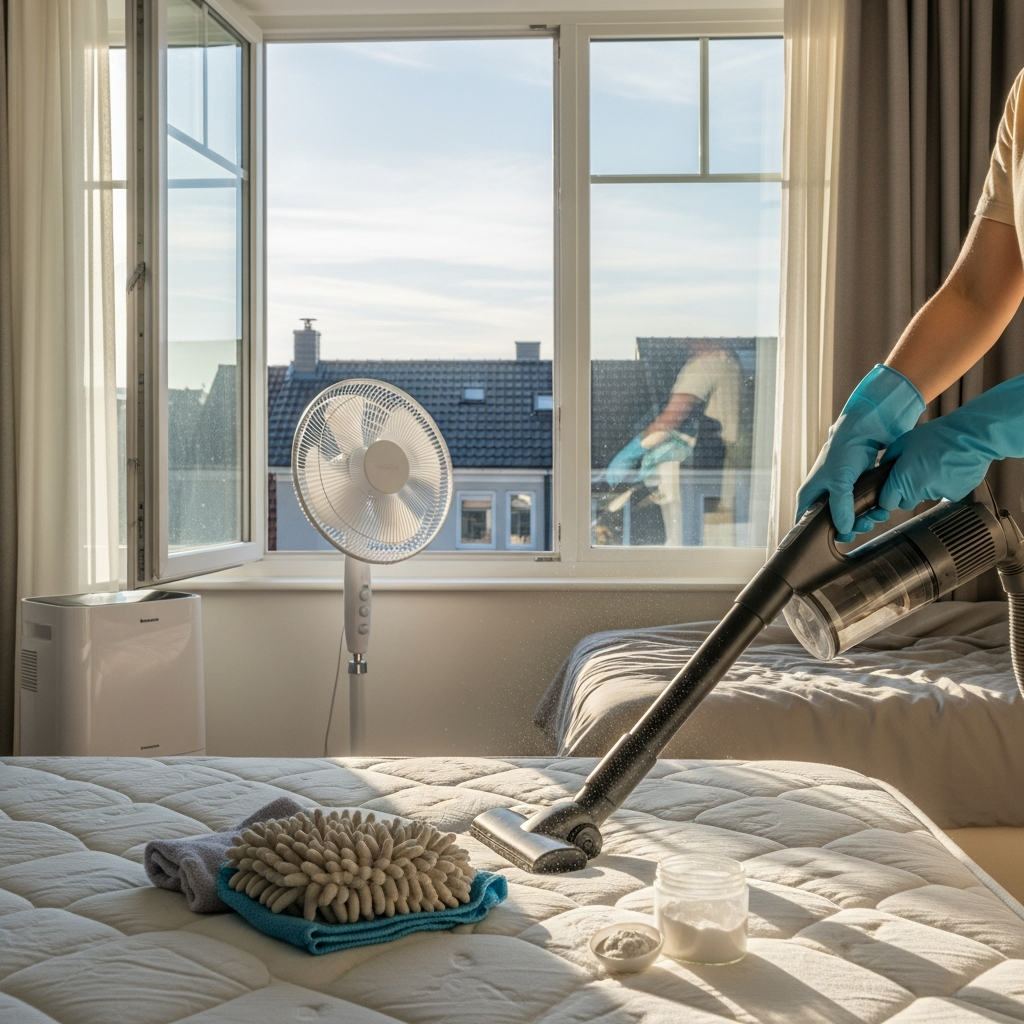
Starting fresh with a clean, healthy mattress can transform the way you rest, especially in a city like Elizabeth, New Jersey, where coastal humidity, four true seasons, and busy commutes all play a part in how quickly a mattress gathers dust, odors, and allergens. If you are new to mattress care, this beginner-friendly guide explains what to do, what not to do, and how to create a simple routine that keeps your bed fresher for longer. You will learn the essentials for different mattress types, what tools to use, and how to fix common issues without making mistakes that can void warranties or trap moisture. If you ever need an extra hand, you can also explore expert mattress cleaning to complement your own routine.
Why mattress hygiene matters in Elizabeth, NJ
Mattresses collect a surprising mix of particles and moisture: skin cells, oils, sweat, dust, and—during New Jersey’s sticky summers—humidity that can remain in the foam or padding. Add pollen that rides into your home during spring or fall, and it becomes clear why a regular cleaning routine can improve not only sleep quality but also indoor air freshness. In multifamily residences around Elizabeth, shared HVAC and occasional building vibrations can stir up dust, while winter’s dry air encourages static that pulls lightweight particles into fabrics. A steady approach to cleaning keeps these realities in check, which is particularly helpful if anyone in your household deals with allergies, asthma, or sensitive skin.
Know your mattress materials before you clean
Before you touch cleaners or tools, understand your mattress type. Different cores react differently to water, heat, and solvents, and a beginner’s biggest win is avoiding damage by identifying the correct care approach.
- Innerspring: Coil core with padding and often a quilted top. Handles light moisture better than memory foam but still requires cautious drying.
- Memory foam: Dense, absorbent foam that traps moisture easily. Spot-clean only and dry thoroughly; never soak.
- Latex: Buoyant, resilient foam—either natural or synthetic. Typically more breathable than memory foam but still sensitive to oversaturation.
- Hybrid: Combination of foam comfort layers and pocketed coils. Treat the top layers like foam; the internal coils can trap moisture if you over-wet.
- Pillow-top/Euro-top: Extra cushioning stitched to the sleep surface. Requires gentle spot-cleaning and careful drying to prevent clumping or mildew.
Check the manufacturer’s label for cleaning codes or cautions. Many warranties specify what not to use (for example, strong solvents or steam). When in doubt, test any cleaner on an inconspicuous area first.
Beginner’s toolkit: Simple supplies that work
You do not need a closet full of specialty gadgets. A basic kit will cover most beginner scenarios, provided you use it correctly and patiently.
- Vacuum with upholstery attachment: Essential for removing dust, debris, and allergens from the surface and seams.
- Microfiber cloths and white cotton towels: Microfiber lifts particles; white towels help you monitor stain transfer and avoid dye bleed.
- Soft-bristle brush or old soft toothbrush: Agitates stains gently without tearing fibers.
- Spray bottles: One for plain water and one for a mild cleaning solution.
- Mild liquid detergent or enzyme-based cleaner: Great for protein stains such as sweat, urine, and blood; ensure it is safe for fabrics.
- Baking soda: Neutralizes odors and helps lift minor discoloration.
- Isopropyl alcohol (70%): Effective for spot treatments that must dry quickly; use sparingly and test first.
- Fan or dehumidifier: Helps speed drying—crucial in New Jersey’s humid months.
- Protective gloves: Keeps your hands safe from cleaners and makes cleanup easier.
Set up your space before you start
Preparation keeps a simple job from turning into a long day. Strip all bedding, including mattress protectors, and launder according to care labels using a hot cycle when permitted to remove dust mites and body oils. Open windows if the day is dry or run a dehumidifier if it is muggy. Clear a working perimeter around the bed, and—if you can—tilt the mattress slightly against a wall on a breathable surface to improve airflow. Place towels nearby to blot spills and set up a fan directed across the mattress, not straight down, to move moisture outward rather than driving it deeper.
A quick-start beginner process
Even if you have never cleaned a mattress before, this step-by-step method is both safe and effective for most materials when performed with light moisture and plenty of drying time.
- Vacuum thoroughly. Use the upholstery tool and slow strokes. Pay attention to seams, quilting, and the mattress edge tape where dust likes to hide.
- Spot-test cleaners. Choose a hidden corner or the underside. Apply a small amount, wait 10–15 minutes, and check for discoloration or texture changes.
- Address fresh stains immediately. Blot—never rub—to lift liquid. Use a white towel to prevent dye transfer and press gently to absorb from the top down.
- Apply a mild solution. Mix a few drops of gentle detergent with cool water. Mist the stained area lightly. Work from the outside of the stain inward to avoid spreading.
- Gently agitate. Use a soft-bristle brush or microfiber cloth with short, circular motions. Blot frequently with a dry towel to lift residues.
- Rinse by blotting. Lightly mist plain water to remove detergent residue, then blot again. Do not saturate foam.
- Odor neutralization. Sprinkle baking soda over the cleaned area and let it sit for 30–60 minutes, then vacuum thoroughly.
- Dry completely. Use a fan or dehumidifier. In New Jersey summers, drying may take longer; ensure the mattress is fully dry before remaking the bed.
- Protect. Once dry, add a breathable, waterproof protector to guard against future spills and sweat.
Stain-by-stain guidance for common issues
Beginners benefit from simple recipes and realistic expectations. Some set-in discolorations may not fully disappear, but you can greatly reduce odor and bacteria while lightening the stain.
- Sweat and body oils: Create a mild detergent solution or use an enzyme-based cleaner. Lightly mist, agitate gently, and blot. Follow with baking soda for odor control.
- Urine (pet or child): Enzyme cleaner is your best friend. Apply sparingly, allow sit time per label, then blot thoroughly. Follow with baking soda and extended drying.
- Blood: Use cool water only—heat sets protein. Dab with a mild detergent solution or a small amount of hydrogen peroxide (test first), then blot and dry.
- Coffee/tea: Blot immediately. Use a mild detergent solution; consider a few drops of white vinegar in water to combat tannins. Rinse by blotting with plain water.
- Vomit: Remove solids with a spoon and dispose. Use enzyme cleaner sparingly, blot repeatedly, and focus on odor neutralization with baking soda.
- Musty odor or light mildew smell: Improve ventilation, run a dehumidifier, and apply baking soda. Avoid soaking and never trap moisture by making the bed before the mattress is completely dry.
Drying, ventilation, and New Jersey humidity
In Elizabeth’s humid months, drying is the step that makes or breaks a beginner project. Keep the mattress in a well-ventilated room, use cross-breeze with a window fan when weather allows, and run a dehumidifier to pull moisture from the air. If you have a hybrid or memory foam model, plan extra time. Never point a high-heat hair dryer directly at foam; brief, low-heat passes mixed with moving air are safer if you must speed things up. A good rule: if the surface feels cool to the touch, it may still be damp; keep the fan and dehumidifier going until the mattress feels room-temperature and dry.
Allergy-friendly steps for Elizabeth households
Allergies can flare during pollen seasons and again when heat kicks on in fall. Reduce symptoms with a routine that focuses on dust removal and fabric barriers.
- Vacuum weekly with the upholstery tool, especially at the head and foot of the bed where hair and oils accumulate.
- Wash sheets and pillowcases weekly in hot water if the fabric allows; wash comforters or duvet covers monthly.
- Use zippered, breathable encasements on mattresses and pillows to block dust mites and reduce sensitization.
- Keep pets off the bed when possible; if not, place a washable throw on top and launder it frequently.
- Change or clean HVAC filters regularly to reduce airborne particles settling on soft surfaces.
Beginner mistakes to avoid
Most mishaps happen because of too much liquid, not enough drying time, or harsh chemicals. Skip steam unless your mattress label specifically permits it, and even then, use minimal passes. Avoid bleach; it can degrade fibers and interact unpredictably with foam. Do not stand your mattress in direct, intense sun for hours—brief indirect light is fine, but too much can warp materials. Lastly, do not ignore a persistent odor or damp area; address moisture quickly to prevent microbial growth.
When DIY is enough—and when to get help
DIY covers preventative care, routine vacuuming, odor control, and most small stains. If you are dealing with a widespread spill, a mattress that stayed damp after a window-unit leak, or recurring odors you cannot pinpoint, it is time to escalate. Mid-rise and high-rise apartments in Elizabeth can complicate airflow, and winter drying is slower. In those cases, professionals have tools to extract moisture and treat deep layers without over-wetting. Many beginners alternate between at-home upkeep and periodic expert help to extend mattress life and comfort.
If you ever feel your efforts are not quite enough or you simply want to reset your mattress after a busy season, consider scheduling trusted professional mattress cleaning to supplement your home routine. It is a smart midpoint choice that keeps the workload manageable while ensuring a deeper refresh when needed.
Simple maintenance schedule for beginners
Consistency matters more than intensity. Use this easy cadence to stay on track without spending your entire weekend cleaning.
- Weekly: Vacuum the sleep surface and seams; launder sheets and pillowcases.
- Monthly: Launder mattress protector, rotate the mattress head-to-foot (unless the manufacturer advises against it), and check for stains.
- Seasonally (every 3 months): Do a full spot-check, deodorize with baking soda, vacuum thoroughly again, and air out the room with windows open on a dry day.
- After spills: Blot, spot-clean, and dry thoroughly with fans and a dehumidifier.
- Annually: Evaluate the condition of your protector and replace if it shows wear; review the mattress label for any updated care guidance.
Frequently asked questions
Q: How often should a beginner clean a mattress in Elizabeth, NJ? A: Vacuum weekly and perform a deeper refresh seasonally. Add spot treatments as needed after spills or when odors appear.
Q: Is baking soda safe for all mattresses? A: Generally yes, especially when you vacuum it thoroughly afterward. Avoid caking it onto damp foam; always let the area dry first.
Q: Can I use vinegar? A: Diluted white vinegar can help with some odors, but test carefully and avoid over-wetting. Rinse by blotting with plain water and dry completely.
Q: What about steam cleaners? A: Many foam and hybrid models do not tolerate steam well. If your label permits steam, use brief passes and prioritize fast drying.
Q: Do I need a mattress protector? A: It is one of the best beginner investments. A breathable, waterproof protector guards against sweat, spills, and dust mites while remaining comfortable.
Q: Will sunlight disinfect my mattress? A: Limited indirect sunlight and strong airflow can help, but avoid prolonged, direct heat that can warp materials. Air movement and dryness matter more.
Ready for a fresher mattress in Elizabeth?
You now have everything you need to start confidently, from the basic tools to the right way to dry a mattress in New Jersey’s changing seasons. If you want a deeper reset after moving, remodeling, or a tough spill, schedule reliable mattress cleaning services with a local specialist. A cleaner, drier, healthier sleep surface is within reach—start today and enjoy the difference tonight.