
Carpet And Rug Cleaning In Elizabeth, New Jersey: What To Expect From Start To Finish
Inviting a professional team into your Elizabeth, New Jersey home to care for carpets and rugs should feel straightforward and reassuring. Clarity about the process—inspection, preparation, cleaning, drying, and finishing—turns a complex technical service into a predictable, satisfying experience. The best providers explain each step in plain language, show respect for your home, and tailor their methods to the unique needs of your wall-to-wall carpets and freestanding rugs. As you get oriented, use how a company discusses essential rug cleaning procedures as a quick lens on their overall professionalism and attention to detail.
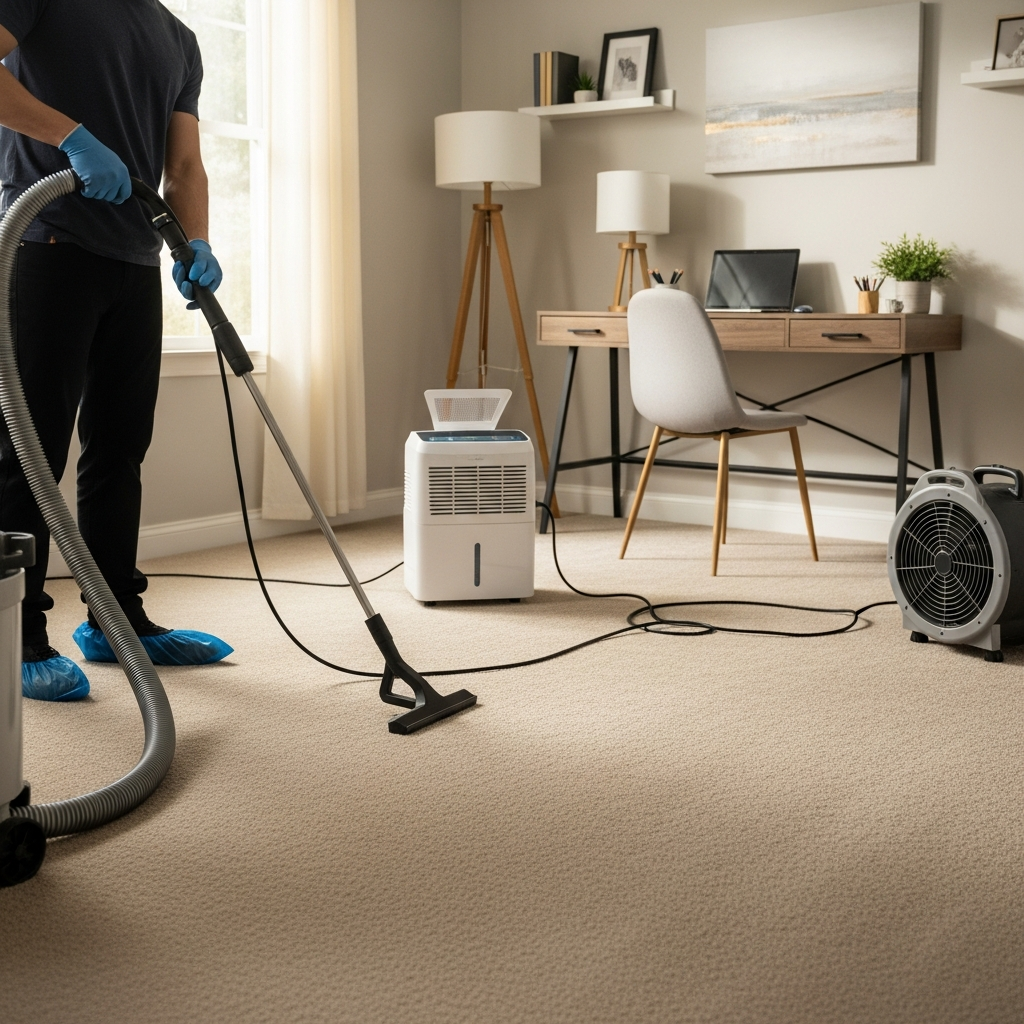
Elizabeth homes range from historic walk-ups to modern townhouses and single-family residences, so access, parking, and building rules can vary widely. Seasoned teams come prepared with protective gear for corners and banisters, shoe covers, and floor runners. They also communicate clearly about timing, so you can plan around family schedules, pets, and work-from-home commitments.
Pre-Visit Communication And Preparation
It starts with a conversation. A scheduler or technician asks about the spaces to be cleaned, fiber types if known, problem areas, and any previous attempts at spot cleaning. For rugs, they may recommend off-site washing for best results, while carpets generally receive in-home hot water extraction or low-moisture cleaning depending on the fiber and soil level. You will receive guidance on small-item pickup, furniture movement, and access requirements so the team can work efficiently and safely.
Before technicians arrive, do a quick walk-through of the areas. Secure valuables and move delicate items. Make a note of specific spots or odors you want addressed. If pets are in the home, plan a safe, quiet space for them during the appointment.
Inspection And Testing
On arrival, technicians confirm the service plan and inspect textiles. For rugs, they identify fibers, construction, and dye stability. For carpets, they consider fiber type, installation, and traffic patterns. They may perform quick colorfastness tests in discreet areas and discuss any limitations. Setting realistic expectations up front leads to better outcomes and satisfaction.
They will also assess problem areas such as drink spills, food spots, pet accidents, or high-traffic lanes. The team explains how they will approach each issue and what improvements you can anticipate.
Dry Soil Removal: The Foundation Of Great Cleaning
Whether for rugs or carpets, thorough vacuuming and, for rugs, specialized dusting remove embedded grit that clouds color and abrades fibers. This step is often overlooked in surface-only services. By evacuating dry soils first, cleaners can use gentler chemistry and achieve a cleaner, softer finish with less risk. Dusting is particularly important for dense, hand-knotted rugs and for homes with pets or active lifestyles.
Skipping robust dry soil removal shortens the life of a cleaning. Left-behind particulates wick to the surface, and textiles seem to get dirty again quickly. Top-tier teams never skip this foundational work.
Carpet Cleaning Methods You Might See
For wall-to-wall carpet, two approaches are common. Hot water extraction uses heated solution and controlled pressure to rinse fibers thoroughly, followed by powerful extraction that removes moisture and residues. Low-moisture cleaning relies on specialized detergents and minimal water, ideal for certain fibers and settings. The technician’s job is to match method to fiber, soil level, and drying requirements while protecting the backing and surrounding finishes.
Good communication continues here: you should understand what method is being used, why it was chosen, and how long the carpet will take to dry under normal ventilation.
Off-Site Rug Washing Versus In-Home Care
Rugs benefit from a dedicated facility where technicians can dust deeply, perform immersion or controlled hand-washing, and dry under monitored airflow and humidity. This environment allows precise control of dye safety and moisture, which is difficult to achieve in-home. Some rugs—especially very large or installed pieces—may still receive in-home surface maintenance, but fine textiles usually shine after a full, off-site process.
Fringe, edges, and pile grooming receive careful finishing before the rug returns home. The result is not just a cleaner surface but a livelier hand and clearer design details.
Mid-Service Updates And Quality Checks
Reputable providers update you if they uncover new information during service, such as unstable dyes in a rug or a carpet seam that needs careful handling. They may adjust the cleaning plan to protect fibers and structure, and they will explain any changes. Asking how a company implements recognized best practices for rug cleaning can reveal a lot about their commitment to craftsmanship.
Quality checks at the end of service include inspecting for wicking spots, confirming even drying, and re-grooming carpet pile for a consistent look. For rugs, blocking and fringe detailing are part of a polished finish.
Drying, Ventilation, And Post-Clean Care
Drying is a science. For carpets, technicians may accelerate evaporation with air movers and advise you on opening windows or running HVAC for airflow and dehumidification. For rugs, controlled facility drying prevents distortion, browning, and musty odors. You will receive guidance on when to return furniture, how soon to walk on surfaces, and how to prevent tracking in new soil while fibers are settling.
Post-clean care often includes simple instructions: continue ventilation, avoid heavy traffic until dry, and use protective coasters under furniture if needed. Following these steps preserves the freshly cleaned appearance.
Healthy Home Considerations
Families value solutions that are effective yet considerate of indoor air quality. Ask about low-residue formulas and thorough rinsing, which help fibers stay clean longer. Technicians should also be prepared to work fragrance-free on request. Managing moisture is crucial for health and appearance—balanced airflow and dehumidification speed drying and reduce the chance of musty odors.
For allergy-prone households, deep dusting of rugs removes fine particulates that typical vacuuming cannot reach, contributing to a fresher indoor environment.
Frequently Asked Questions
Q: How long will it take for my carpet to dry? A: Drying time varies with fiber, ventilation, humidity, and method. Your technician will explain typical timelines and how to speed them safely.
Q: Can all stains be removed? A: Not every stain can be fully reversed, particularly if dyes have changed or fibers were damaged. However, professional techniques often deliver significant improvement.
Q: What should I do before the team arrives? A: Clear small items, secure valuables, and note specific concerns. Arrange a quiet space for pets and ensure access to the areas being cleaned.
Q: Do you move furniture? A: Many teams move light to medium pieces as part of normal service. Large or delicate items may require special arrangements.
Q: How often should I schedule professional cleaning? A: Busy households often plan annual service for high-traffic areas, while lower-use rooms can go longer between visits. Individual rugs may need different timelines based on use and fiber.
Bringing Professional Care Into Your Home
Now that you know what to expect, you can choose a provider with confidence. Look for clear explanations, documented processes, careful handling, and a service culture that respects your time and space. When you are ready to refresh your carpets and rugs, contact a local specialist known for attentive rug cleaning and schedule a convenient appointment. You will enjoy cleaner textiles, a brighter home, and the assurance that your floors are in capable hands.