
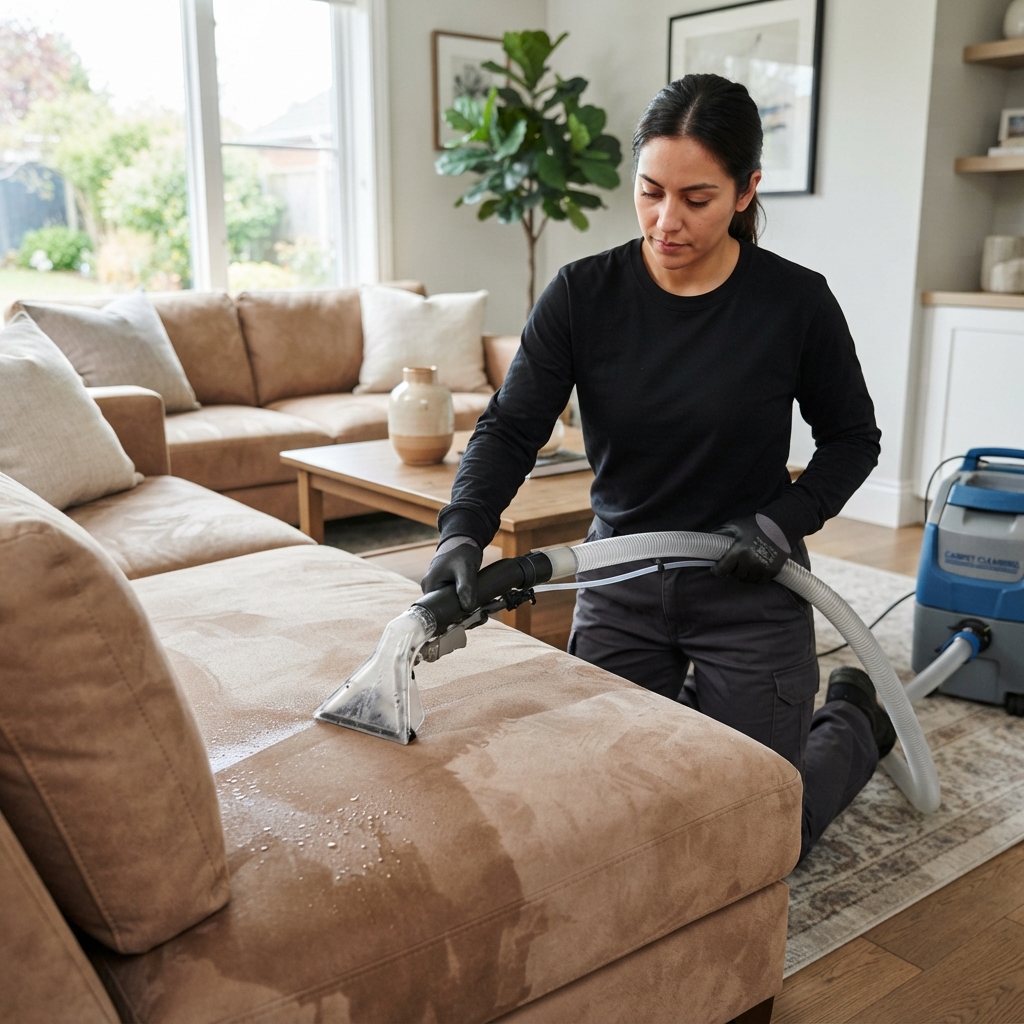
Leather, Naturally Beautiful: Care Tips for Elizabeth, New Jersey Homes
Leather upholstery delivers a timeless look that ages gracefully when treated well. In Elizabeth, where coastal humidity mingles with busy, multi-purpose homes, leather faces unique stressors—sunlight through row house windows, winter dryness from heating systems, and the daily rhythm of family life. With the right habits and occasional professional help, your leather sofa or chair can remain supple, clean, and richly colored for years. This guide walks through leather types, safe cleaning steps, conditioning, spot response, and smart prevention, all tailored to the conditions and lifestyles common to Elizabeth households.
Whether you lounge on a deep aniline sofa or host family dinners on semi-aniline dining chairs, understanding the characteristics of your leather is step one. Some finishes breathe and patina easily, while others offer protective coatings that resist spills but can crack if neglected. If you are exploring expert support alongside good home care, partnering with a local provider experienced in upholstery cleaning ensures your leather receives methods and products matched to its unique finish and age.
Know Your Leather: Aniline, Semi-Aniline, and Pigmented
Aniline leather is dyed through without a protective topcoat, showcasing natural markings and delivering a luxuriously soft hand. It is breathable and elegant but shows stains more readily and requires gentle methods. Semi-aniline retains that natural look with a light protective layer, offering a balance of beauty and resilience. Pigmented (protected) leather carries a more robust finish that resists many everyday soils and stains, making it popular for active households. Each type responds differently to moisture, pH, and agitation, so identification—often via manufacturer documentation or simple water-drop tests—is essential before cleaning.
Routine Care: The Foundation of Long-Term Beauty
Dust and fine particles act like abrasives on leather, dulling the finish over time. A weekly routine of gentle vacuuming with a soft brush, followed by a light wipe with a barely damp, clean cloth, keeps surfaces free of grit and body oils. Always wring the cloth thoroughly—leather does not like excess water. For armrests and headrests, where oils accumulate fastest, a mild leather-specific cleaner applied sparingly and wiped away promptly helps prevent darkening and stickiness. Rotate cushions or switch seating positions to distribute wear, and keep pets’ claws trimmed to limit incidental scratches.
Conditioning: Balancing Moisture for Supple Strength
Conditioners replenish essential oils and keep leather from drying and cracking, especially during New Jersey’s heated winters. Choose a product designed for your leather type and apply lightly. Over-conditioning can leave a tacky residue that grabs dust and soil. For aniline leather, follow the manufacturer’s guidance closely—too much product can alter sheen and darken the surface. Semi-aniline and pigmented leathers are more forgiving, but restraint still wins. Plan conditioning as part of seasonal maintenance, and always test in a discreet area first to confirm colorfastness and finish compatibility.
Sunlight, Heat, and Humidity: Environmental Controls That Matter
Sunlight fades dyes and dries natural oils, especially on aniline and semi-aniline pieces. Position furniture out of direct rays when possible, or use blinds during peak sun. Maintain stable indoor humidity to prevent dryness in winter and tackiness in humid summers. Avoid placing leather directly over heating vents or radiators. In older Elizabeth homes with variable airflow, a small humidifier in winter and a dehumidifier or air conditioning in summer helps protect both leather and overall indoor comfort.
Everyday Spills and Spots: Responding the Right Way
Speed and gentleness are your allies. Blot liquids with a soft, absorbent cloth—do not rub, which can push moisture into the hide and spread dyes. For sticky residues, lift with a spoon edge and then wipe with a slightly damp cloth. Oil-based marks respond best to blotting and a leather-appropriate cleaner used sparingly; water alone will not break down oils. Ink and dye transfer from clothing are challenging and can migrate quickly. Avoid home solvents unless you have pigmented leather and are prepared to test carefully in a hidden area. When in doubt, contain the spot and consult a professional before it sets.
Pet Considerations: Hair, Oils, and Accidents
Pets bring joy and extra care requirements. Brush pets regularly to reduce hair and dander. Place a washable throw on favorite lounging zones, and wash it often to prevent hair buildup and oils from pressing into the leather. For accidents, swift blotting and neutralization are key, followed by a gentle leather-safe cleaner if compatible with your finish. Avoid saturating seams where moisture can seep into cushions. Repeated incidents call for professional treatment to address residues below the surface.
When to Call a Professional
If your leather looks uniformly dull, feels sticky, shows water rings, or has experienced color transfer, professional help can reset the surface safely. Experts identify finish type, use matched cleaners, and employ low-moisture methods that lift soils without swelling the hide. They can address stubborn dye transfers and ink with specialty spotters and minimize the visual impact of minor scratches and scuffs. If you are unsure of your leather type or have inherited a vintage piece, an assessment from a local team familiar with upholstery cleaning prevents trial-and-error mishaps and preserves the character you love.
Refinishing and Color Touch-Ups
Pigmented finishes can sometimes be restored with color touch-ups or refinishing for scuffed arms and faded cushions. This specialized work requires color matching, surface preparation, and careful sealing. While not every piece is a candidate, well-executed refinishing can extend service life and keep a beloved sofa in circulation. Seek providers who demonstrate samples of their work and explain realistic outcomes for your specific leather and wear pattern.
Myths and Realities About Leather Care
Myth: All leather loves conditioner often. Reality: Over-conditioning clogs pores and attracts soil; use products sparingly and appropriately. Myth: Household cleaners are fine for leather. Reality: Many are too alkaline or solvent-heavy and can remove finish or dry the hide. Myth: Sunlight “naturally” sanitizes leather without risk. Reality: UV fades dyes and accelerates drying and cracking. Myth: Scratches cannot be helped. Reality: Many light marks can be improved with gentle warming by hand and specialty products or professional attention.
Aftercare Post-Cleaning
Following a deep cleaning, keep airflow steady and avoid heavy use until the finish returns to its normal feel. Reintroduce throws or pillows only after the surface is fully dry. Reinforce habits that prevent rapid re-soiling: handwashing after applying lotions, keeping pen tips capped on the sofa, and giving pets their own cozy spot nearby. Review sunlight exposure seasonally and adjust furniture placement or window coverings to protect the most vulnerable panels and cushions.
Frequently Asked Questions
How can I tell what type of leather I have? Manufacturer documentation helps, but you can also look for uniform color and a protective feel (pigmented) versus a more natural, varied look with a soft hand (aniline). When in doubt, ask a professional to test and confirm.
How often should I clean and condition? Light, regular dusting and occasional gentle cleaning are ideal. Conditioning varies by leather type and environment; for many homes, seasonal checks are sufficient, with product use as needed rather than on a fixed calendar.
What about ink or denim dye transfer? These are challenging and set quickly. Avoid rubbing. Seek professional help, especially on aniline and semi-aniline finishes where aggressive methods can cause more harm than good.
Will cleaning make leather shiny or sticky? Proper products and light application preserve the original finish. Stickiness often results from residue or over-conditioning and can be corrected with targeted cleaning.
Can I place leather near a window? Yes, with precautions. Use blinds during peak sun, rotate cushions, and monitor for fading. Aniline leathers need the most protection from direct light.
Is fabric protection relevant to leather? Some protective creams provide light resistance, especially on pigmented finishes. They are not a substitute for prompt blotting and mindful habits.
Keep Your Leather Looking Its Best
Leather rewards consistent, careful attention. With smart daily habits, seasonal touchpoints, and expert help when needed, your furniture will keep its rich color, comfortable hand, and welcoming presence for years. If you are ready for a tailored plan backed by local know-how, reach out to a trusted Elizabeth team that understands leather’s nuances and everyday life in our city. Begin by connecting with a nearby specialist in upholstery cleaning and enjoy the confidence that your leather is in good hands.