
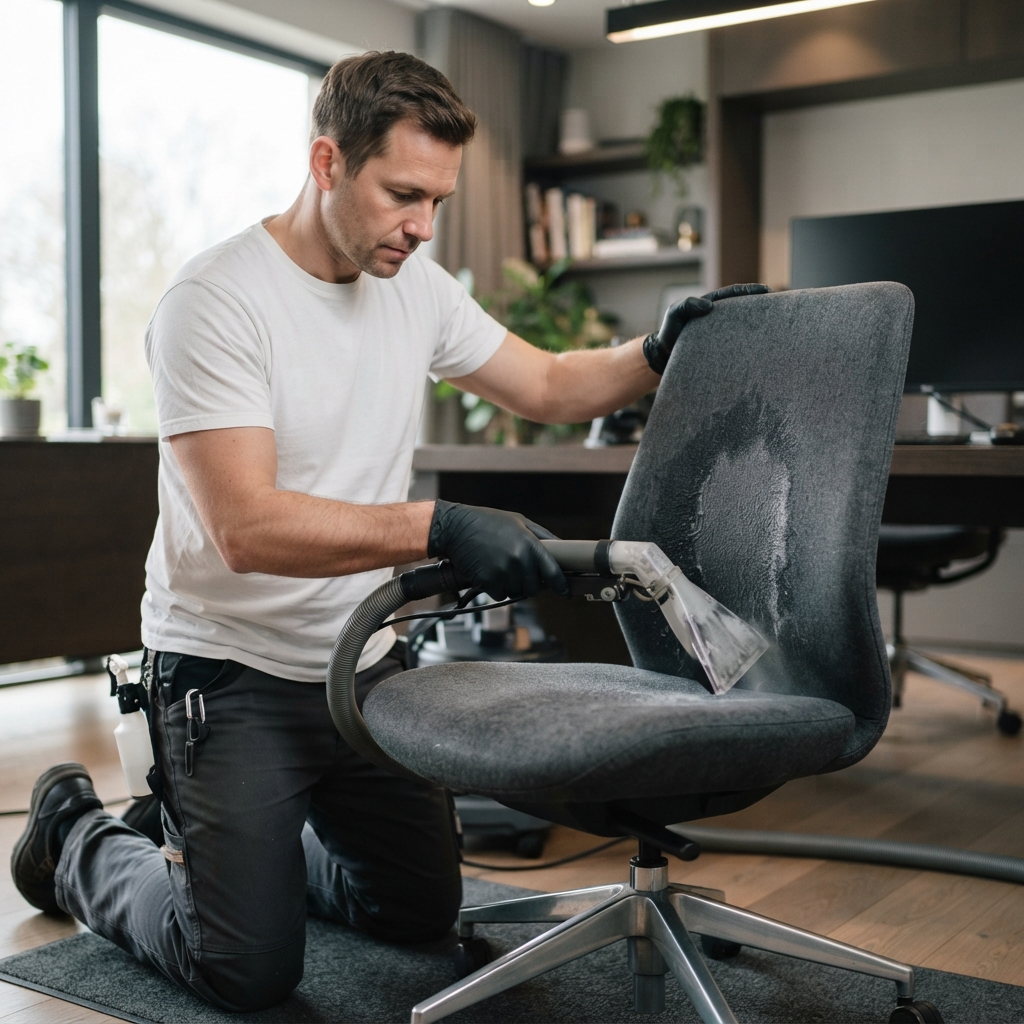
Freshen Your Drive: Car Upholstery Stain Removal for Elizabeth, New Jersey
Daily driving in Elizabeth exposes your car’s interior to a blend of urban dust, coastal humidity, road salts, and the occasional on-the-go snack. Seats, door panels, headliners, and carpets collect fine grit, body oils, beverage spills, and everything kids and pets contribute along the way. Left unchecked, stains set, odors develop, and fabrics lose their crisp look. With the right techniques—and smart choices about when to call in help—you can keep your vehicle’s cabin clean, comfortable, and ready for school runs, weekend trips, and commutes along Routes 1 and 9. This guide covers safe, effective stain removal for cloth, microfiber, faux leather, and leather commonly found in cars across Elizabeth.
While many drivers handle light cleaning themselves, certain stains require careful chemistry and controlled moisture to avoid rings, color loss, or lingering odors. Understanding your upholstery material, the origin of the stain, and the safest response path is essential. If you ever want an expert hand to reset stubborn areas or tackle a full refresh, a dependable local service for upholstery cleaning can bring professional tools and techniques to the job, helping you maintain that just-detailed look longer between visits.
Identify Your Material Before You Treat
Auto interiors vary widely. Cloth seats include polyester or nylon weaves that tolerate water-based cleaning when done thoughtfully. Microfiber offers tight fibers that hold onto fine soils but release them with proper agitation and rinsing. Vinyl and faux leather resist many spills but can dry out and crack if treated with harsh chemicals. Genuine leather—often pigmented in autos—handles low-moisture cleaning and dedicated leather products best. Always test cleaners on an inconspicuous area and use white towels to monitor color transfer. Knowing your material narrows product choices and reduces the chance of over-wetting or altering texture.
Core Principles of Stain Removal in Vehicles
Speed, restraint, and patience rule the day. Blot, do not rub. Use minimal solution, and allow dwell time so chemistry can work before light agitation. Rinse or wipe residues away to prevent stickiness that attracts new soil. Control moisture—especially in winter—because saturated seats dry slowly and can develop odors. Improve airflow by opening doors briefly in a safe location, using fans, or running the car’s climate system on fresh air. Finally, match the cleaner to the stain family: water-based, oil-based, dye-based, protein, or mineral.
Handling Common Beverage Spills: Coffee, Tea, and Soda
For fresh spills, blot immediately with an absorbent towel. Mix a mild upholstery-safe cleaner with water, apply sparingly, and allow a short dwell time. Agitate lightly with a microfiber cloth, then blot and wipe with a second damp cloth to remove residues. Coffee and tea contain tannins, which can leave shadows; a product with a gentle oxygen component may help, but test first, especially on darker cloth. Carbonated sodas often carry dyes and sticky sugars; if residue remains, a second light pass prevents tackiness that re-attracts soil. Keep solutions off electronics and seatbelt mechanisms.
Grease, Sunscreen, and Lotion: Oily Stain Strategy
Oily residues need surfactants to suspend the oils so they can be lifted and wiped away. Apply a small amount of a neutral cleaner, let it dwell briefly, and use gentle agitation. On microfiber, avoid hard scrubbing that can roughen the nap. For vinyl and faux leather, wipe dry completely to prevent gloss changes. On automotive leather, use a leather-appropriate cleaner and follow with a light conditioner if needed. If a dark spot persists, repeat light passes rather than one aggressive attempt. Avoid household degreasers that can discolor or dry surfaces.
Makeup, Ink, and Dye Transfer
Cosmetics combine pigments and oils; treat as oily stains first, then address residual color with a fabric-safe spotter if necessary. Ink requires caution. On cloth, a specialized ink remover may help, but test in a hidden spot. On vinyl and pigmented leather, light application of a compatible solvent can work, but overuse risks finish damage. Denim dye transfer on light seats is finicky; prompt, gentle action offers the best odds. If color moves readily to a towel during testing, pause and seek professional help to prevent spreading and permanent halos.
Food Spills, Protein Stains, and Milk
Protein-based stains (milk, baby formula, ice cream, some sauces) can sour and smell if residues remain. Start with cool water blotting to avoid setting proteins. Apply a mild cleaner, allow dwell, and gently agitate. Rinse lightly with a damp cloth until no residue transfers. For larger spills that seep into seat foam, deeper extraction and thorough drying are vital to prevent odors. Position fans, crack windows safely, and consider a professional visit if the spill was substantial or if odor lingers after initial cleaning.
Road Salts and Winter Grime
Elizabeth winters bring salt stains on floor mats and lower seat edges. White crusts indicate mineral deposits; dissolve them with a mild acidulated cleaner or a diluted white vinegar solution, applied sparingly, then blot and rinse with a damp cloth. Protect nearby metals and electronics. Finishing with a neutral cleaner can restore the fabric’s normal feel. Prompt removal reduces abrasion and keeps interiors looking tidy through the season.
Pet Hair, Dander, and Accidents
Pet hair grips cloth and microfiber, especially on textured weaves. Use a vacuum with a rubber brush attachment or a dedicated pet-hair tool to lift hair before wet cleaning. For accidents, blot promptly, then use an enzymatic cleaner compatible with automotive upholstery to break down odor-causing compounds. Do not soak the area; repeated light applications with airflow between passes work better. On leather or vinyl, clean gently and follow with appropriate conditioning or protectant as needed.
Headliners, Belts, and Delicate Areas
Headliners use delicate adhesives; minimize moisture and avoid aggressive agitation that can loosen the fabric from the backing. Seat belts require mild cleaners and careful rinsing—harsh chemicals can weaken fibers. Avoid getting solutions into belt retractors. For door panels and armrests, prevent excessive moisture near switches and speakers. Thoughtful technique protects both appearance and safety.
Odor Control and Drying Strategies
Odors persist when residues remain or when moisture dries too slowly. After stain removal, wipe with a damp cloth to remove leftover cleaner, then blot dry. Increase airflow: open opposite doors briefly in a safe, supervised area or run the climate system on fresh air with fans on medium. In humid weather, consider a portable fan aimed across seats. If odor returns, residues may remain in foam; targeted extraction by a professional can resolve what surface cleaning could not.
Building a Maintenance Rhythm
Vacuum seats and mats weekly or biweekly, depending on use. Keep a small kit in the trunk: white towels, a gentle upholstery cleaner, a soft brush, and trash bags. Encourage no-spill zones for kids and place travel lids on beverages. During winter, knock boots before entering and use deep-well mats. Address small stains quickly; waiting gives them time to set and spread. A steady rhythm preserves appearance and protects vehicle value.
Midway through the year, reassess your routine. If carpooling increased or a new puppy joined the family, you may need more frequent light cleanings. When DIY methods start to feel repetitive with diminishing returns, schedule a focused refresh with a local expert in upholstery cleaning to reset stubborn areas and dial in a plan that fits your actual driving life.
Frequently Asked Questions
How fast should I respond to a spill? Immediately. Blot first to stop wicking and spreading, then apply the right cleaner sparingly. Prompt action dramatically improves outcomes.
What if a stain leaves a ring? Rings often indicate residues or uneven drying. Re-wet the area lightly, clean outward slightly beyond the ring, and dry with airflow. If it persists, professional extraction may be needed.
Is steam safe for car seats? Controlled heat can help, but too much moisture risks slow drying and odors, especially in cooler months. Use minimal moisture and prioritize airflow.
How do I handle salt on cloth seats? Dissolve mineral deposits with a mild acidulated cleaner, blot, and follow with a neutral cleaner. Avoid saturating foam. Dry thoroughly.
Can I use household degreasers on vinyl? Avoid harsh products that can haze or embrittle finishes. Use automotive-safe cleaners designed for interior surfaces.
Why do odors return after cleaning? Residues may remain in seat foam or backing. Deeper extraction and proper drying address odors at the source.
Drive Clean and Comfortable
A fresh interior makes every trip more enjoyable, whether you are navigating city streets, picking up friends at the station, or heading out of town. Thoughtful stain response, steady maintenance, and well-timed professional help keep your cabin inviting and resilient through weather and wear. If you want an assist that respects your materials and your schedule, connect with a local team specializing in upholstery cleaning and keep your car feeling like your favorite place to be on the road.