
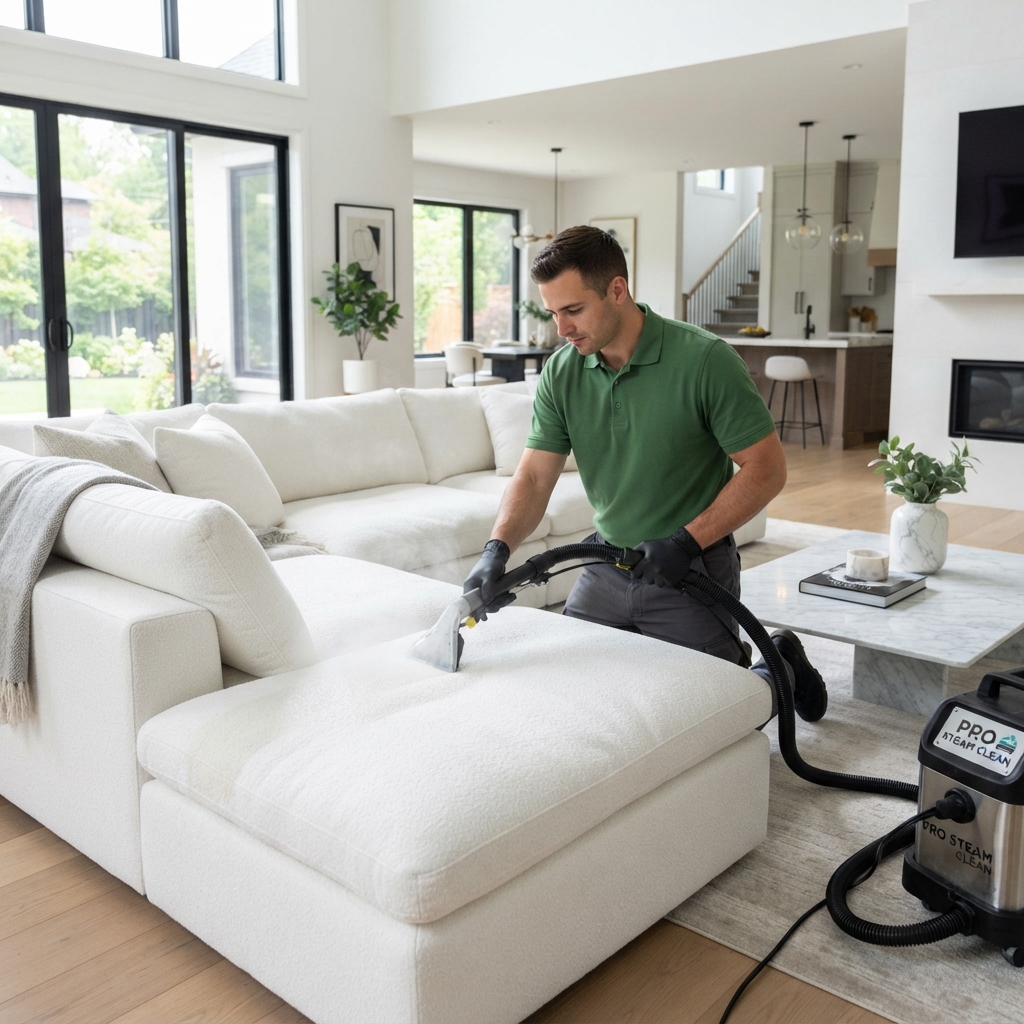
Finding Reliable Upholstery Care Near You in Elizabeth, New Jersey
When you search for help close to home, you want more than a name on a map—you need dependable expertise tailored to your neighborhood and your furniture. Elizabeth’s vibrant mix of historic houses, modern apartments, and busy shared spaces means upholstery sees a wide spectrum of use and environmental factors. Street-level dust, coastal humidity, seasonal pollen, and family life all leave marks on sofas, sectionals, dining chairs, headboards, and ottomans. Choosing the right local service helps your home feel fresher, extends the life of your furnishings, and simplifies your routine so you can focus on what you love about living in Elizabeth.
Start by clarifying what “near me” should deliver. Proximity matters, but so do response times, courteous service, fabric expertise, and thoughtful scheduling around school days, commutes, and weekend plans. A service that understands your block, parking realities, stairwells, and building rules can save time and reduce friction. If you are ready to explore options and want a team with neighborhood know-how, connecting with a trusted provider for upholstery cleaning puts you closer to predictable, high-quality results.
What to Look For in a Nearby Upholstery Cleaning Service
A good local provider pairs technical skill with respectful service. Look for clear explanations about fabric identification and testing, a step-by-step outline of cleaning methods, and guidance on drying and aftercare. Reliable teams ask about your fabric codes, prior cleanings, and any specific concerns—like a persistent coffee shadow on a cushion or a pet’s favorite corner. They arrive with protective gear for corners and floors, position fans for airflow, and treat your home as carefully as their own. They also communicate realistic expectations for problem dyes, aged stains, or delicate weaves so there are no surprises.
Understanding the Role of Fabric Codes
Upholstery tags often show codes such as W, S, WS, or X. These hints guide safe cleaning approaches, but experienced technicians go further by spot testing for colorfastness and evaluating the cushion core and construction. For example, cotton-linen blends can water spot if overwet, and some microfibers react poorly to high alkalinity. A nearby service familiar with New Jersey homes has handled these scenarios before and can choose low-moisture methods, solvent cleaning, or controlled water-based cleaning as needed. The goal is to lift soils without changing the feel or hue of your furniture.
Elizabeth’s Neighborhoods and Their Everyday Challenges
From tree-lined blocks in Elmora to lively corridors around Midtown and Five Points, life patterns influence what lands on your furniture. Window-open days bring pollen and dust; apartments near transit lines collect fine particulate from foot traffic; homes near parks and fields welcome pet dander and outdoor debris. During winter, walk-up buildings see more salt and sand carried indoors. In older homes, limited ventilation can slow drying times after cleaning. A provider rooted in Elizabeth understands these small differences and tunes methods and scheduling to deliver better outcomes with less hassle.
DIY Between Visits: Small Habits with Big Payoffs
Weekly vacuuming with an upholstery attachment keeps grit from abrading fibers. Rotate cushions to even out pressure points, and use a washable throw on high-contact spots to limit body-oil buildup. When a spill happens, blot immediately with a white towel. Test any cleaner on an inconspicuous corner and avoid scrubbing. Light, even application and prompt blotting reduce the chance of rings. Good ventilation is your friend; a small fan aimed across—not directly at—the fabric speeds evaporation and helps prevent musty odors.
When to Call in a Pro
Certain signs indicate it is time for deeper care: a uniform dullness that resists vacuuming, odors that return quickly after DIY cleaning, visible rings from previous spot attempts, or sensitive dyes that transfer to a towel during testing. Allergies, pets, and very pale fabrics also push timelines forward. A professional visit restores clarity and softness by removing bonded soils, balancing pH, and thoroughly rinsing residues. The result is a cleaner look and a fresher, more comfortable living space for your family and guests.
Expectations on Service Day
Clear pathways to the pieces being cleaned, remove small items nearby, and point out special concerns in good light. Discuss fabric codes or manufacturer instructions if you have them. Share details about previous cleanings or accidents. During service, technicians typically vacuum, apply pre-conditioners to break down oils, gently agitate to lift soils, and rinse with controlled moisture before accelerating drying with airflow. Afterward, allow full drying before heavy use and keep throws or pillows off until moisture has fully evaporated.
Middle-of-the-Road Adjustments Keep Results Consistent
Life changes—new pets, a baby, a home office carved out of the living room—and your maintenance plan should change with it. If a family member develops allergies, you might increase vacuuming and shorten the interval between deep cleanings. When the kids start sports, entryway mats and a shoes-off habit reduce grit. If the household takes up crafting, inks and adhesives require faster responses. When the routine needs an assist, reaching out to a dependable local team for upholstery cleaning helps keep your space stable through the shifts of everyday life.
Protecting Results After Cleaning
Once your furniture is refreshed, give it time to dry. Maintain airflow and moderate humidity, especially in the summer. If fabric protection is appropriate for your textile, it can slow absorption and make future cleanup easier, though it does not replace fast blotting when spills occur. Revisit your sunlight strategy by using blinds or curtains during the brightest hours to prevent fading. And keep that white towel handy; speedy attention is the difference between a faint mark and a set stain.
Frequently Asked Questions
How often should nearby services visit my home? Many homes benefit from a professional visit every 12 to 18 months, with more frequent care for pets, allergies, or pale fabrics. Your lifestyle and fabric type determine the best rhythm.
Do I need to move furniture? Providers usually move light items as needed, but you should clear breakables and small objects. Discuss heavier pieces in advance so everyone can plan safely.
Will cleaning change the feel of my fabric? The goal is to restore the original hand of the fabric by removing residues. Experienced technicians select chemistry and moisture levels to protect texture and color.
What about delicate textiles? Materials like silk or certain rayon blends require careful testing and low-moisture or solvent approaches. A qualified team will explain options and set expectations.
How long does drying take? With good airflow and moderate humidity, most pieces dry the same day. Fans and dehumidifiers help in summer months or in older buildings with limited ventilation.
Can I sit on furniture right away? It is best to wait until fully dry. Sitting too soon can flatten pile or print new marks on damp fabric.
Ready to Refresh Your Furniture, Right Here in Elizabeth?
Home should feel inviting every day, not just after a deep clean. With the right nearby partner, you can keep your furniture looking lively and feeling comfortable through every season. If it is time to simplify your routine, improve air freshness, and protect the value of your favorite pieces, contact a trusted local resource for upholstery cleaning and enjoy a smoother path to a cleaner, brighter home.