Steam carpet cleaning—more accurately known as hot water extraction—is one of the most trusted ways to remove embedded soil and residues from residential and commercial carpets. In Elizabeth, New Jersey, where busy households and active workplaces see heavy foot traffic, this method can restore color, lift stubborn spots, and refresh texture when performed by trained professionals. If you are comparing options, look for providers who deliver comprehensive carpet cleaning services and explain how each step of the process protects fibers while achieving a deep, even clean.
Despite the common nickname, true “steam” is not blasted into your carpet. Instead, carefully heated water and cleaning solutions are applied and then extracted, flushing contaminants from deep within the pile. This distinction matters because safe temperatures, controlled pressure, and balanced rinsing are essential to avoid overwetting, preserve dye stability, and support quick, uniform drying.
How Hot Water Extraction Works
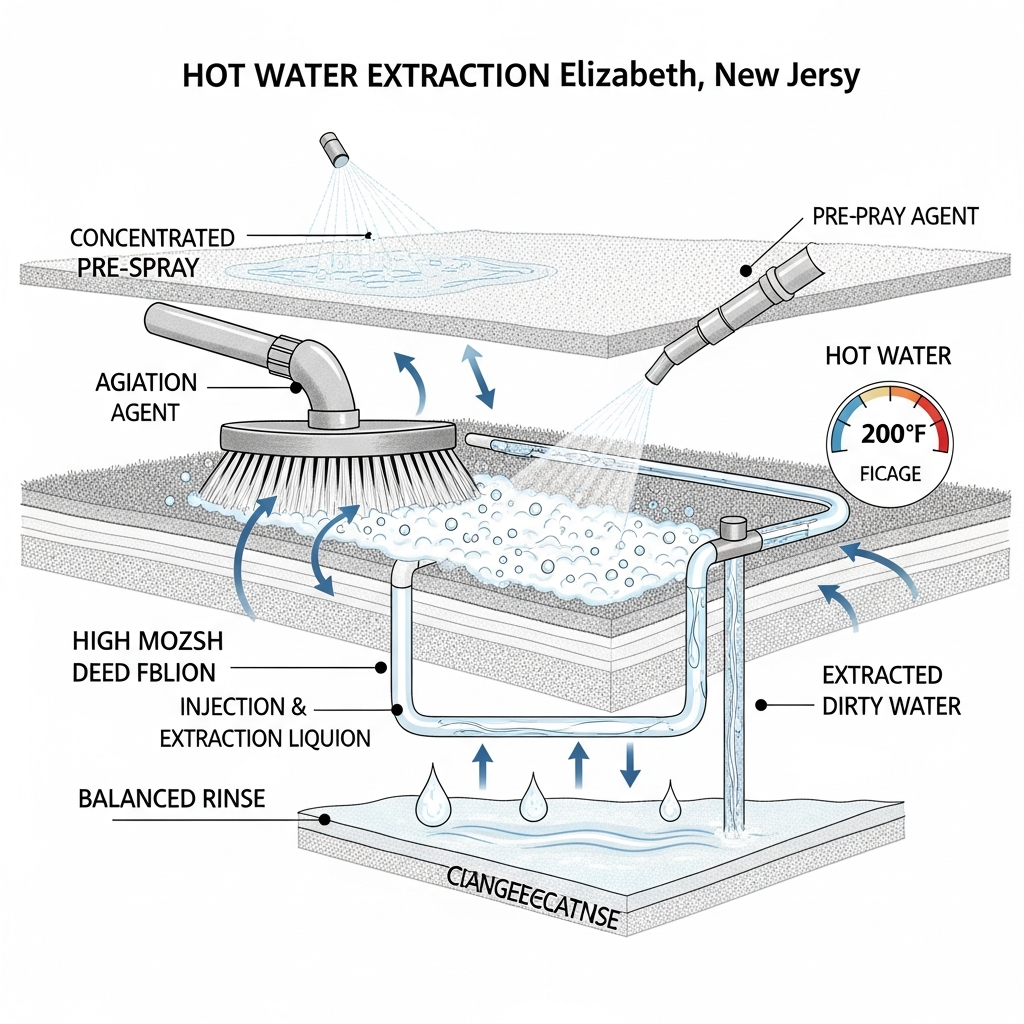
At its core, the method relies on a simple cycle: suspend soil, agitate gently to loosen it, and extract thoroughly. The equipment uses heated solutions to help break down oily residues that bind dust and grit to fibers. Agitation—often via grooming tools—distributes pre-conditioners evenly. Powerful extraction then removes the mixture of soil and moisture, leaving the carpet cleaner and ready to dry with proper airflow.
Technicians calibrate variables based on fiber type and construction. Loop piles, cut piles, and blends each respond differently to moisture and agitation. Densely packed commercial tiles, for instance, may require lower moisture but more repeated passes, while plush residential areas call for careful wand strokes and grooming to reset the pile.
Step-by-Step: What to Expect During a Visit
A thorough hot water extraction service follows a structured sequence designed for consistent results:
- Inspection and Testing: The technician notes traffic lanes, spots, and fiber types, and may test an inconspicuous area for dye stability.
- Dry Soil Removal: Pre-vacuuming extracts loose debris, making the wet phase more efficient.
- Pre-Conditioning: A targeted solution is applied to suspend oils and allow for easier soil release.
- Agitation: Gentle agitation improves contact with fibers, accelerating the breakdown of residues.
- Rinse and Extraction: Using controlled pressure and heat, the machine extracts soil and moisture thoroughly.
- Spot Treatment: Remaining marks receive specialized chemistry tailored to their source—tannin, protein, synthetic dye, or oil-based.
- Neutralizing and Grooming: A balancing rinse and grooming align fibers, encourage even drying, and enhance appearance.
- Post-Inspection: Results are reviewed, and aftercare guidelines are provided.
Each step is essential. Skipping pre-vacuuming, for example, can create muddy residues during rinsing, while inadequate extraction can prolong dry times and invite rapid re-soiling.
Why This Method Is So Effective
Hot water extraction addresses the full soil load—both visible debris and the fine, sticky residues that dull color over time. By combining heat, dwell time, and balanced rinsing, it can remove contaminants more completely than surface-only methods. Proper extraction reduces leftover residues, supporting that fresh, springy feel underfoot and making routine vacuuming more effective afterward.
Professionals also tailor the approach to local conditions. In Elizabeth, winter slush and sidewalk materials track into entryways, while humid summers can contribute to musty odors when spills are not addressed promptly. The method’s ability to flush deeply and then extract thoroughly makes it ideal for these seasonal challenges.
Fiber and Backing Considerations
Not all carpets respond the same way to heat and moisture. Nylon and polyester, common in many homes, typically do well with controlled hot water extraction. Olefin, popular in commercial settings, often releases oily soils more readily with proper chemistry. Natural fibers, on the other hand, may require lower temperatures, lighter moisture, and specialized handling to protect texture and dyes. Skilled technicians adjust solution strength, temperature, and tool selection accordingly.
Backing systems and installation types also affect technique. Glue-down commercial installations, for example, call for careful moisture control to protect adhesives, while residential stretch-in installs allow for slightly more flexibility. A trained eye distinguishes between these conditions at the inspection stage.
Drying and Airflow Strategy
Dry time is a common concern, especially in busy households and offices. Proper technique includes vacuum extraction that removes the lion’s share of moisture during cleaning, followed by airflow planning—open doors, ceiling fans, HVAC circulation, and, where beneficial, air movers. Grooming resets the nap so air moves evenly across the surface, helping prevent irregular drying patterns that can lead to dulling or shading.
Elizabeth’s changing seasons play a role here as well. During humid stretches, technicians may emphasize ventilation and dehumidification to keep drying on schedule. In cooler months, slightly warmer indoor temperatures and strategic fan use can make a noticeable difference.
Common Myths About “Steam” Cleaning
Myth 1: It soaks carpets. Reality: Properly performed hot water extraction uses targeted application and strong extraction to control moisture, leaving carpets damp but not saturated and ready to dry under normal indoor airflow.
Myth 2: It damages fibers. Reality: Damage usually stems from misused equipment or harsh chemistry. Trained technicians calibrate temperature, pressure, and agitation to suit the fiber, preserving texture while removing soil.
Myth 3: It leaves carpets sticky. Reality: Residue issues arise when rinsing and extraction are inadequate. Balanced technique and thorough extraction remove products and soils, leaving fibers cleaner and less prone to rapid re-soiling.
Stain Removal Within the Hot Water Extraction Framework
The method excels at preparing fibers for targeted stain work by removing general soil that can mask or complicate spots. Once overall soil is reduced, individual stains receive precise treatment. Tannin spots from coffee or tea respond differently than synthetic dye stains, and oil-based spills require their own approach. By sequencing general cleaning and specialized spotting correctly, technicians improve outcomes without over-agitating the carpet.
Communication is vital. Your technician should explain what improvement is likely for each stain and when a mark may indicate permanent dye loss or wear. Realistic expectations build trust and keep the focus on long-term carpet health.
Where Hot Water Extraction Shines
This method is particularly valuable in areas with deep traffic lanes, entryways exposed to outdoor soils, and rooms where odors have developed. In commercial spaces, restorative passes can reset appearance after busy seasons, while interim methods maintain the look between deep cleanings. In homes, family rooms, hallways, and stairs often benefit most, since they bear the brunt of daily activity.
Paired with walk-off mats, routine vacuuming, and mindful spill response, periodic hot water extraction helps carpets look and feel their best for years, protecting your investment while improving comfort and cleanliness.
Choosing the Right Provider in Elizabeth
Look for a team that prioritizes inspection, explains each step in plain language, and adapts methods to your specific carpet and building conditions. Ask how they handle drying strategy, what they do to protect baseboards and corners, and how they manage logistics in multi-unit properties. The best providers offer clear scheduling, thoughtful communication, and consistent results that stand up to everyday use.
Midway through your research, you may find that the easiest path is to contact a company that provides full-spectrum professional carpet cleaning services with hot water extraction at the core, supported by interim methods and specialized stain care as needed.
Frequently Asked Questions
Q: Is hot water extraction safe for my specific carpet?
A: Yes, when tailored correctly. Technicians adjust temperature, pressure, and chemistry to suit fiber type and installation, performing spot tests for dye stability as needed.
Q: How long does drying usually take?
A: Drying depends on humidity, airflow, and the overall soil load. Technicians plan ventilation and may use air movers in select areas to encourage even, timely results.
Q: Will the process remove all stains?
A: Many stains improve significantly or disappear, but outcomes vary by stain chemistry, age, and prior attempts. Your technician will set honest expectations and explain any limitations.
Q: Can this method help with odors?
A: Yes. By flushing residues and addressing source material, hot water extraction can reduce or eliminate common odors. Additional targeted treatments may be recommended for severe issues.
Q: How often should I schedule this service?
A: Frequency depends on traffic, pets, and use patterns. Many spaces benefit from periodic restorative cleaning supported by routine maintenance between deep services.
Q: What should I do before the appointment?
A: Clear small items, secure delicate decor, and share access details. Identify problem spots so the technician can prioritize them during treatment.
Bring Clarity and Comfort Back to Your Carpets
If your carpets look tired or feel flat, a methodical hot water extraction can reset the look and feel of your space. For attentive service in Elizabeth that combines inspection, careful technique, and practical aftercare, reach out to a provider offering comprehensive carpet cleaning services with a focus on deep, lasting results.