
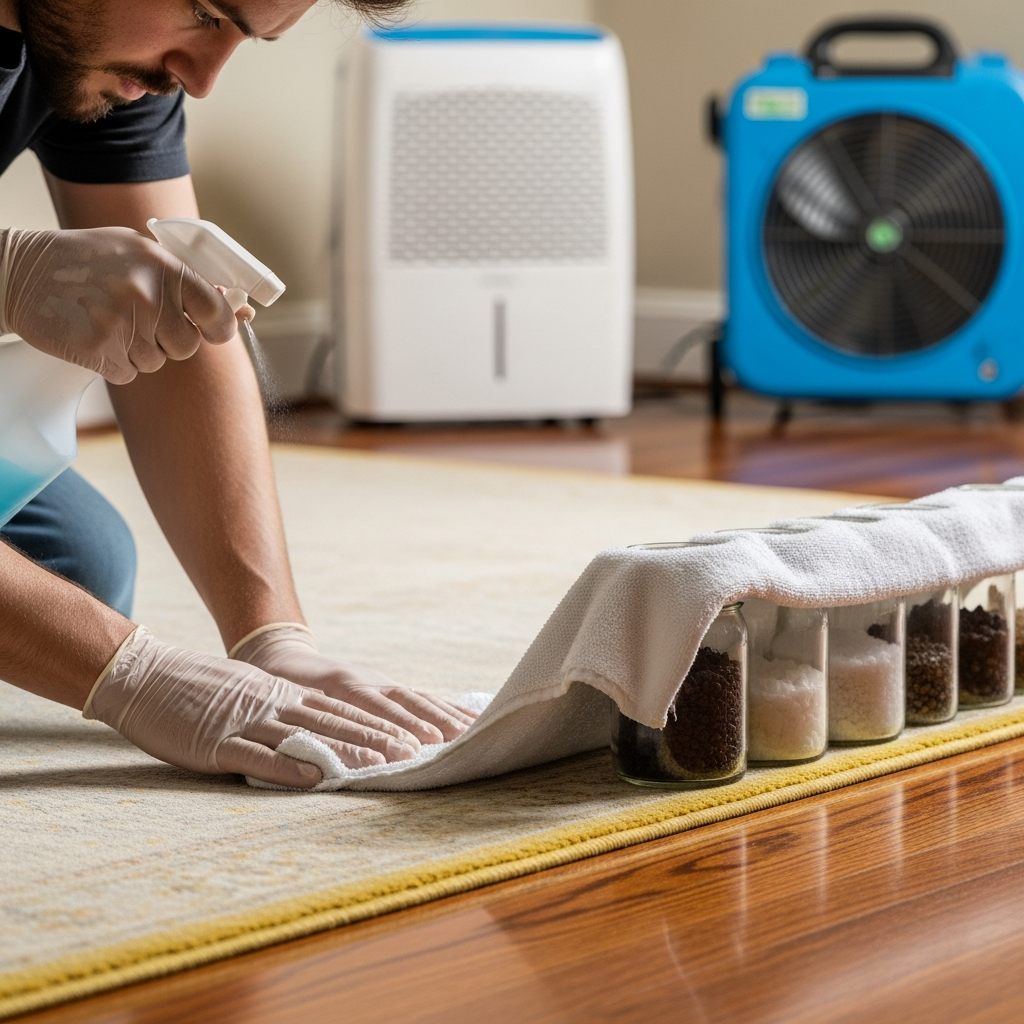
Even when you follow the basics—vacuum slowly, clean with cool solutions, and dry fast—some rugs develop stubborn issues: dye bleed, wicking, browning, crunchy residue, or odors that resurface during humid spells. This advanced troubleshooting guide is designed for Elizabeth, New Jersey homeowners who want to solve those problems safely. The methods below mirror the diagnostic process used by expert rug cleaning technicians: identify the cause, adjust chemistry and technique, control moisture, and confirm results after drying.
Diagnosing dye bleed and color migration
Symptoms: Color transfer onto towels during testing, halos at pattern edges, or tinted fringe after cleaning.
- Causes: Unstable natural dyes, high alkalinity, hot water, excessive dwell time, or over-wetting that dissolves and moves dye.
- Immediate actions: Stop water use, switch to cool solutions, and increase blotting frequency. Keep fringe isolated and dry.
Recovery strategy:
- Set pH: Use a mild acidic rinse (white vinegar/citric in cool water) to lower pH and tighten dyes.
- Micro-zoning: Work in postcard-sized sections so you can rinse and dry quickly.
- Barrier towels: Place dry towels along color borders to capture migration during blotting.
- Airflow: Fan across the surface to speed evaporation and halt further movement.
Stopping browning and yellowing
Symptoms: Tan or yellow cast emerging as the rug dries, especially near edges or on cellulosic components like jute/cotton foundations or fringe.
- Causes: Over-wetting, alkaline residues, or wick-back drawing dissolved soils upward.
- Immediate actions: Increase dry passes and airflow, then apply a mild acidic rinse and blot thoroughly.
Recovery strategy:
- Controlled re-clean: Light pre-spray with a wool-safe or neutral cleaner, very brief dwell, then rinse and heavy towel extraction.
- Edge focus: Work edges first where browning starts. Keep the center from saturating.
- Dry from both sides: Elevate the rug and use air movement across the face and underside.
Solving recurring odors
Symptoms: Rug smells fine when dry-cool but turns sour or ammoniacal during humid days.
- Causes: Pet urine salts or organic contamination trapped in backing or pad; insufficient drying.
- Immediate actions: Enzyme treatment with time to work; avoid flooding that drives contamination deeper.
Recovery strategy:
- Targeted flush: Lightly apply enzyme, cover with a damp towel to retain contact for 10–20 minutes, then blot and rinse.
- Pad assessment: If odor returns, lift the rug; if the pad smells, clean or replace it.
- Drying control: Combine fans with a dehumidifier, keeping relative humidity under 50% until fully dry.
Fixing crunchy or stiff texture
Symptoms: Rug feels rough after drying, looks dull, or shows rapid re-soiling.
- Causes: Detergent residue, hard water minerals, or too-alkaline cleaners on wool.
- Immediate actions: Prepare a mild acidic rinse and groom the pile.
Recovery strategy:
- Rinse reset: Mist with cool water plus a small amount of acidifier, blot thoroughly, and follow with airflow.
- Soft water final: Use filtered or distilled water for the last rinse if your tap water is hard.
- Detergent discipline: Reduce concentration to label specs and measure carefully next time.
Controlling wicking and shadow stains
Symptoms: Spots disappear when damp but reappear after drying.
- Causes: Soil or spill residue in backing/foundation that rises as moisture evaporates.
- Immediate actions: Re-treat the area lightly and increase extraction and airflow.
Recovery strategy:
- Two-stage attack: First, a light pre-spray and blot; second, place a clean, dry towel weighted on the area to absorb upward moisture as it dries.
- Perimeter pass: Treat slightly beyond the visible edge to capture the full contamination zone.
- Patience: Allow a full dry cycle before judging results.
Protecting viscose and delicate blends
Symptoms: Matted sheen, stiff feel, or “watermarks” after cleaning.
- Causes: Viscose/rayon loses strength when wet and can distort with agitation.
- Immediate actions: Halt wet methods, switch to low-moisture towel transfer, and groom gently.
Recovery strategy:
- Low-moisture process: Apply cleaner to a towel rather than the rug. Press and lift soil; avoid scrubbing.
- Sheen management: Brush with the nap while drying to align fibers.
- Professional threshold: For large or heavily soiled viscose, defer to specialists to prevent permanent distortion.
Neutralizing winter salt lines
Symptoms: Pale lines or edges after snow events.
- Causes: Road brine wicks to the surface during drying.
- Recovery strategy: Apply a mild acidic rinse after a neutral pre-clean, then perform multiple dry passes and accelerate drying with fans.
Dealing with mildew risk in humid weather
Symptoms: Musty odor, slow drying, or clammy feel on the back.
- Causes: High ambient humidity, low airflow, or drying directly on sealed floors.
- Recovery strategy: Elevate the rug, cross-ventilate, and use a dehumidifier. Aim airflow across the rug surface and verify the back is fully dry before returning it to service.
Advanced spot work
- Coffee/tea: Oxygenated spotter in cool water; blot and rinse. Avoid heat that sets tannins.
- Wine/juice: Similar oxygenated protocol; follow with an acidified rinse to minimize browning.
- Pet urine: Enzyme treatment with contact time; repeat if necessary and verify dry under the rug.
- Ink and cosmetics: Test solvent on a towel in an inconspicuous area; apply sparingly and blot—avoid spreading.
Edge curling and rippling
Symptoms: Corners that lift or ripples after cleaning.
- Causes: Uneven moisture exposure, backing tension changes, or pad mismatch.
- Recovery strategy: Dry flat with airflow, reverse-roll corners gently once dry, and use a compatible rug pad that grips without sticking.
Fiber-specific safeguards
- Wool: Keep pH near neutral, use cool water, and avoid aggressive agitation.
- Cotton: Watch for browning on cellulosic fibers; rinse and dry thoroughly.
- Synthetics: Rinse well to avoid residue that attracts soil.
- Silk/viscose: Minimal moisture, no scrubbing, and immediate grooming while drying.
Climate-aware workflow for Elizabeth homes
- Plan cleaning on a dry forecast day or run a dehumidifier to keep RH under 50%.
- Vacuum thoroughly front and back to remove grit.
- Use cool, fiber-appropriate pre-spray and gentle agitation.
- Rinse with cool water (acidified for wool), then prioritize blotting over saturation.
- Elevate the rug and move air across both sides until fully dry.
- Inspect the next day for wicking, odors, or minor edge curls and correct promptly.
When to escalate to specialists
If you observe ongoing dye transfer, severe odor after drying, or a delicate fiber that matts with minimal moisture, it’s time to call an expert. Complex troubleshooting benefits from dye stabilizers, controlled flushing, and calibrated drying—tools more common in a shop environment. Scheduling professional rug cleaning at this stage protects color and texture while resolving the root cause.
Frequently Asked Questions
Q: Can I fix dye bleed after it happens?
A: Sometimes you can limit further movement with cool, acidified rinses, micro-zoning, and rapid airflow. Significant bleed or migration into white areas often needs professional correction.
Q: Why does a spot keep coming back?
A: That’s wicking—residue deep in the foundation moves up as the rug dries. Use weighted towels during drying and repeat light treatment if needed.
Q: The rug feels crunchy. Did I ruin it?
A: Probably not. Residue is common. Perform a light acidic rinse, blot thoroughly, groom, and dry with airflow. Consider soft water for the final rinse.
Q: My viscose rug looks matted after cleaning. Now what?
A: Stop wet methods, use low-moisture towel transfer only, and brush gently with the nap while drying. For larger or valuable viscose rugs, consult a specialist.
Q: How can I tell if odor is in the pad?
A: Lift the rug after it’s dry. If the pad smells or you see salt crystals, address the pad directly or replace it to prevent odor from returning.
Q: Is hot water ever okay?
A: Reserve heat for sturdy synthetics if needed, but cool water is safer overall—especially for wool and natural dyes common in decorative rugs.
Q: Should I use a shop vac for extraction?
A: A wet/dry vac can help if used gently with multiple light passes. Avoid forcing water through the rug; focus on blotting and airflow.
Q: How do I prevent edge curls?
A: Dry flat with good airflow, then reverse-roll corners briefly once dry. Ensure a compatible pad and correct rug sizing to reduce tension.
Proactive maintenance that reduces troubleshooting
- Vacuum slowly each week; flip and vacuum the back monthly.
- Rotate quarterly to distribute sun and traffic.
- Spot-treat spills immediately and manage fringe separately.
- Use entry mats and keep them clean; they dramatically cut interior soil.
Confident next steps for complex issues
Most problems yield to careful diagnosis, cool solutions, and disciplined drying—especially when you account for Elizabeth’s humidity swings. Tackle one variable at a time, document what you see, and verify results after a full dry cycle. When advanced issues demand specialized tools or you want certainty with a cherished piece, arrange expert rug cleaning to restore color, texture, and freshness with minimal risk.