
Introduction: Finding Local Rug Cleaning You Can Trust
If you live in Elizabeth, New Jersey, and you are searching for reliable rug cleaning near me options, understanding the process, scheduling, and what to expect can make all the difference in preserving the life and appearance of your rugs. Whether you own an oriental, synthetic, wool, or handmade rug, professional cleaning helps restore fibers, remove deeply embedded soil, and maintain the integrity of dyes and construction. For those who prefer professional assistance, it’s worth learning how local providers operate and what preparations will help achieve the best results. One convenient starting point for many homeowners is to consider experienced providers like professional rug cleaning services who can evaluate your rug type and recommend a tailored approach.
This guide walks through practical considerations for scheduling a rug cleaning appointment, preparing your home, common cleaning methods used by professionals, how to evaluate service practices, and what to expect during pickup or on-site cleaning. It also outlines routine maintenance tips to reduce wear between professional visits and a comprehensive FAQ to answer the most common concerns homeowners have about rug care in Elizabeth, New Jersey.
Understanding Rug Types and Why That Matters
Rugs vary greatly by fiber, weave, dye stability, backing, and age. Wool rugs are natural, resilient, and respond well to gentle agitation and mild solutions. Synthetic rugs like polypropylene and nylon are often easier to clean and dry faster. Handmade rugs, which can include hand-knotted or hand-tufted pieces, are frequently more delicate and may require specific pH-balanced cleaners and slower drying to preserve dye and knot integrity. Identifying the fiber and construction before cleaning shapes the cleaning method, chemicals used, and the level of agitation applied. A knowledgeable technician will ask questions about the rug’s origin, age, and any visible damage or previous repairs before recommending an approach.
When a technician evaluates a rug, they also consider colorfastness tests and spot treatment trials to ensure dyes will not bleed. This evaluation prevents unexpected damage and helps determine whether dry cleaning, low-moisture cleaning, wet cleaning, or a specialist conservation approach is appropriate. If you are uncertain about the composition of your rug, bring any care labels, provenance documents, or photos of the rug’s underside—these details can aid the professional in making an informed plan.
Scheduling Your Rug Cleaning Appointment
Scheduling a rug cleaning in Elizabeth typically begins with a brief consultation. Many providers offer an initial phone or online consultation where you describe the rug size, material, and visible concerns such as heavy soiling, pet odor, or stains. Technicians may request photos to provide a more accurate assessment. If a pickup and delivery service is available, they will also confirm access details and any special handling instructions. When you schedule, ask about average turnaround times, pickup windows, and whether they provide in-home estimates for on-site cleanings.
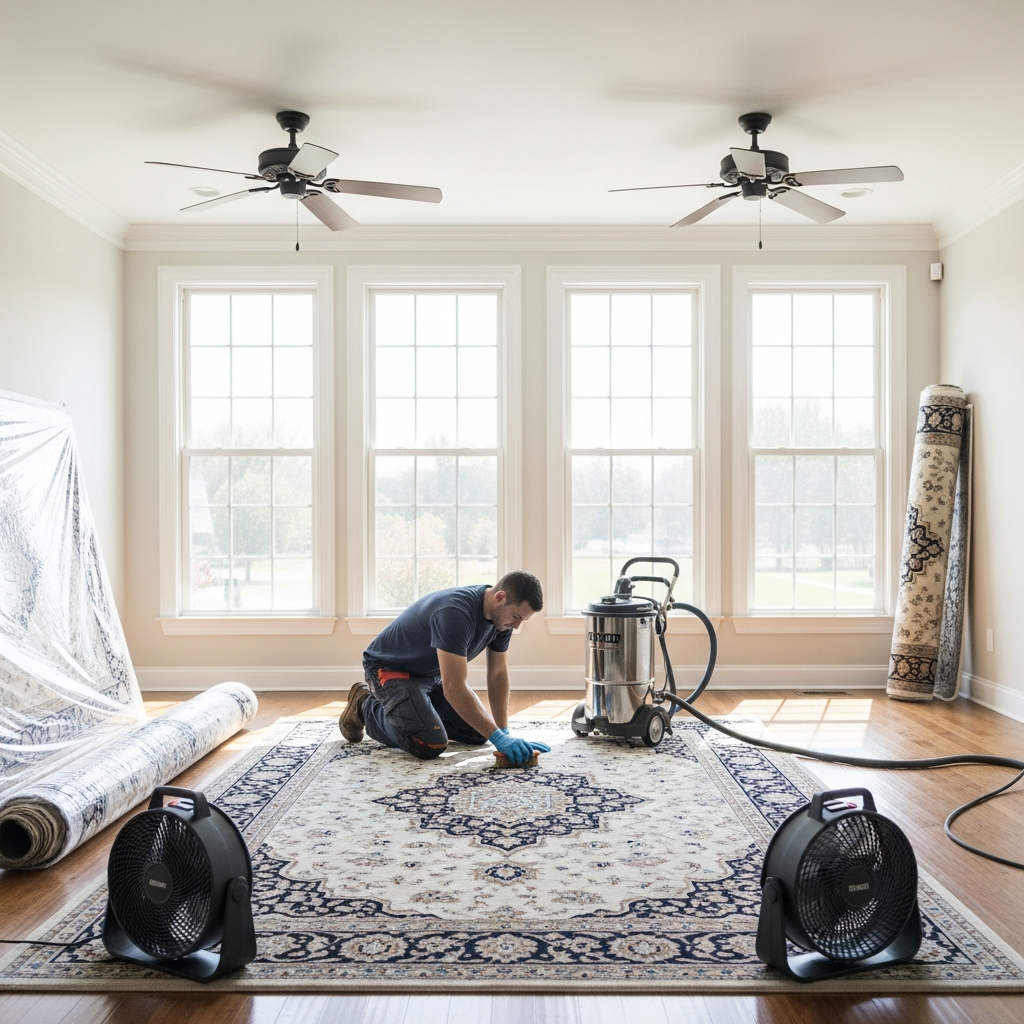
Advance scheduling during non-peak seasons can offer more flexible appointment times and faster turnaround. Additionally, reputable providers will explain their pickup and delivery policies clearly—whether they provide protective wrapping, use rugs pads during transit, or perform pre-clean inspections and documentation. If you prefer in-home cleaning, confirm the area where the rug will be cleaned, what furniture needs to be moved, and the drying time required so you can arrange ventilation or fans if necessary.
Preparing Your Home and Your Rug
Proper preparation protects both your rug and your home. Before a pickup or on-site cleaning, remove small objects, toys, and breakable items from the rug surface and adjacent areas. If the cleaner is coming to your home, clear a path to the rug and move lightweight furniture. For heavy furniture, discuss options with your cleaner—some companies provide furniture moving as part of their service, while others may require homeowners to remove items beforehand. If the rug has fringe, tuck it in or inform the technician so they can avoid tangling during cleaning.
Document any existing damage with photographs and note these on the work order to prevent misunderstandings. If the rug is especially fragile or valuable, consider asking whether the company carries special insurance or offers a conservation-grade cleaning. A provider should also give recommendations for drying times and advise on ventilation to prevent mildew or odor development post-cleaning.
Common Professional Cleaning Methods
Professional rug cleaners commonly use several methods depending on rug type and condition. Hot water extraction (steam cleaning) is effective for many synthetic and some wool rugs, removing soil from deep within fibers. Low-moisture encapsulation techniques are used for quick surface cleaning and faster drying. Dry cleaning methods using specialized solvents and low-moisture compounds can be ideal for delicate handmade or antique rugs where water could weaken dyes or backing. Some cleaning shops provide hand washing in troughs with gentle agitation and controlled drying for valuable textiles.
In addition to general cleaning, targeted stain and odor removal strategies may include enzymatic cleaners for organic stains and odors, oxygen-based whiteners for non-dye-sensitive materials, or pH-balanced spot treatments. Always ensure your technician documents pre-treatment tests and gets your consent for any aggressive or restorative treatments. A good cleaning provider will also explain post-cleaning care practices such as how long to wait before replacing furniture or recommending a protective pad beneath the rug to minimize future wear.
Pick-Up, In-Shop Processing, and Delivery
If you opt for a pickup and delivery service, the provider will collect your rug and bring it to their facility for controlled cleaning. In-shop processes often allow for longer soak times, specialized equipment, and thorough inspections that may not be possible on-site. Many shops provide detailed notes about the cleaning steps performed and any repairs or color run issues discovered. After cleaning, rugs are dried in climate-controlled environments to ensure even drying and to prevent dye migration or mildew.
Upon completion, the company typically re-inspects the rug, performs finishing work such as fringe grooming or binding repairs if needed, and notifies you about the ready-for-delivery schedule. Ask about their delivery protocol—some companies bring rugs back rolled and wrapped to protect them during transit, while others lay them flat depending on size and handling standards. Ensure you are available during the delivery window to inspect the rug and confirm your satisfaction before the crew leaves.
Spot Treatment and Stain Considerations
Not every stain responds the same. Protein-based stains (like food, blood, or dairy) and tannin stains (coffee, tea) often need different approaches than dye-based stains (ink or hair color). Grease and oil require solvent-based spot treatments and thorough extraction to remove oily residue from fibers. Professionals will test the stain area to choose an appropriate solvent or enzymatic cleaner. Attempting aggressive home treatments without guidance can set stains permanently or cause color loss.
When dealing with a visible stain, act promptly: blot liquids with clean white cloths to remove excess, avoid scrubbing, and do not apply household cleaners unless they are known to be safe for your rug’s specific fiber and dyes. When in doubt, document the stain with a photo and wait for professional guidance to avoid accidental damage.
Routine Maintenance Between Professional Cleanings
To extend the time between professional cleanings, adopt simple maintenance habits. Vacuum regularly using a suction-only setting for delicate rugs or a brushless attachment to avoid pulling fibers. Rotate rugs every six months to ensure even wear and to minimize fading from sunlight. Address spills immediately by blotting rather than rubbing, and consider area rug pads beneath rugs in high-traffic zones to reduce abrasion and improve cushioning. For pet owners, frequent vacuuming and occasional deodorizing with manufacturer-recommended products help maintain freshness.
Additionally, keep indoor humidity at reasonable levels. Excess moisture can encourage mildew growth if rugs remain damp for extended periods. Consider professional cleanings at least once every 12 to 36 months depending on traffic, pet presence, and environmental conditions; delicate or heavily used rugs may require more frequent attention.
Evaluating a Rug Cleaning Provider
When selecting a cleaner in Elizabeth, New Jersey, evaluate credentials and ask specific questions: Do they specialize in area and handmade rugs? Do they perform in-house testing for colorfastness? Are technicians trained in handling antique or delicate pieces? Reputable providers will discuss their cleaning methods, demonstrate knowledge of fiber types, and provide references or examples of prior work. Ask about guarantees on workmanship or policies for addressing post-cleaning concerns.
Insurance and bonding are also important. Make sure the company has appropriate coverage in case of accidental damage during pickup, transit, or cleaning. Clear communication about timelines, handling procedures, and any additional services such as minor repairs or odor treatments will help avoid surprises.
Understanding Colorfastness and Restoration Work
Colorfastness testing is a standard part of professional rug care. Technicians use small swatches and a range of mild solutions to ensure dyes will not run when exposed to water or cleaning agents. If dyes are unstable, cleaners may recommend low-moisture or dry methods to avoid color loss. For rugs with fading, selective color restoration or re-dyeing might be discussed for high-value pieces; these are specialized services often performed by textile conservators and require careful consideration before proceeding.
Minor restoration such as fringe repair, reweaving of small holes, or binding replacement may be offered by some shops. These services can preserve structure and value, but they should be performed by trained repair technicians who can match materials and weave patterns closely. Ask for before-and-after photos of similar restoration work to evaluate the provider’s skill.
Frequently Asked Questions
Q: How long does a typical cleaning take from pickup to delivery? A: Turnaround varies by provider and the condition of the rug. Many shops aim for a few days to a week, though more complex restorations or high-volume seasons can extend this. Ask for an estimated timeline when you schedule.
Q: Will cleaning remove pet odors? A: Professional cleaning combined with enzymatic treatments and proper drying often reduces or eliminates pet odors. If odors are due to a recurring issue, additional steps to address the source are necessary.
Q: Can all rugs be cleaned with water? A: Not always. Antique and some handmade rugs with unstable dyes or fragile foundations may require dry or low-moisture methods.
Q: How should I store a rug? A: Clean and fully dry the rug before storage. Roll it with the pile facing inward, wrap in breathable fabric, and store off the ground in a climate-controlled area to prevent moisture and pest damage.
Q: What should I do if my rug was damaged during cleaning? A: Reputable companies carry insurance and should address damage claims. Document the damage, retain the work order, and communicate promptly with the provider to resolve the issue.
Final Steps and What to Expect After Cleaning
After your rug returns, give it time to settle and make sure it is fully dry before replacing furniture on top. Groom the pile lightly with your hand or a soft brush to revive fibers, and allow any residual odor to dissipate in a well-ventilated room. Keep an eye out for any signs of dye migration or unusual stiffness; if you notice issues, contact the cleaning provider promptly so they can evaluate and address any concerns.
Ready to Schedule Your Rug Care Appointment?
When you are ready for professional assistance with routine maintenance, stain treatment, or a full restoration, reach out to a trusted local specialist. Experienced cleaners provide tailored plans that match your rug’s fiber and construction and can help preserve its beauty for years to come. If you would like professional evaluation or to arrange a pickup or on-site appointment, consider contacting professional rug cleaning services who serve the Elizabeth, New Jersey area. Their team can advise on the best cleaning approach and schedule a convenient time.
For immediate next steps, document your rug’s condition with photos, prepare any notes about stains or prior repairs, and check available appointment windows. With the right professional care, your rug will return refreshed, safe for your home, and better protected against future wear. To schedule service, request an estimate or set an appointment through the provider’s contact options, and be ready to confirm pickup and delivery details. For trusted, experienced care that handles delicate materials and offers thorough evaluation, you can rely on specialists who understand local needs and preservation methods.
If you want the convenience of professional handling from start to finish, including pickup, in-shop processing, and delivery, contact the team today to arrange service tailored to your rug’s needs. You can reach out directly to professional rug cleaning services for more information and to book an appointment that fits your schedule.