
Winning the Fight Against Pet Stains on Rugs in Elizabeth, NJ
Life with pets is joyful—and sometimes messy. Urine, vomit, and tracked-in soil can blemish even the most durable rugs. Left untreated, stains set, odors linger, and fibers degrade. Fortunately, a calm, methodical approach works wonders. This guide covers fast first aid, safe chemistry, and long-term strategies tailored to Elizabeth, New Jersey households. With thoughtful action, you can reclaim freshness and protect your floors. When contamination goes deep or keeps returning, professional rug cleaning aligns fiber safety with odor neutralization to deliver lasting results.
Understand the Enemy: What Makes Pet Stains Tough
Pet accidents combine moisture, salts, proteins, and pigments—each needs a different response. Urine, for example, starts acidic but becomes alkaline as it dries, increasing the risk of dye movement and fiber damage. Odor-causing compounds bind to fibers and backing, making surface-only treatments temporary. Vomit contains acids and digestive enzymes that can etch dyes. Timely, correct action is essential.
Immediate Response: A Step-by-Step Playbook
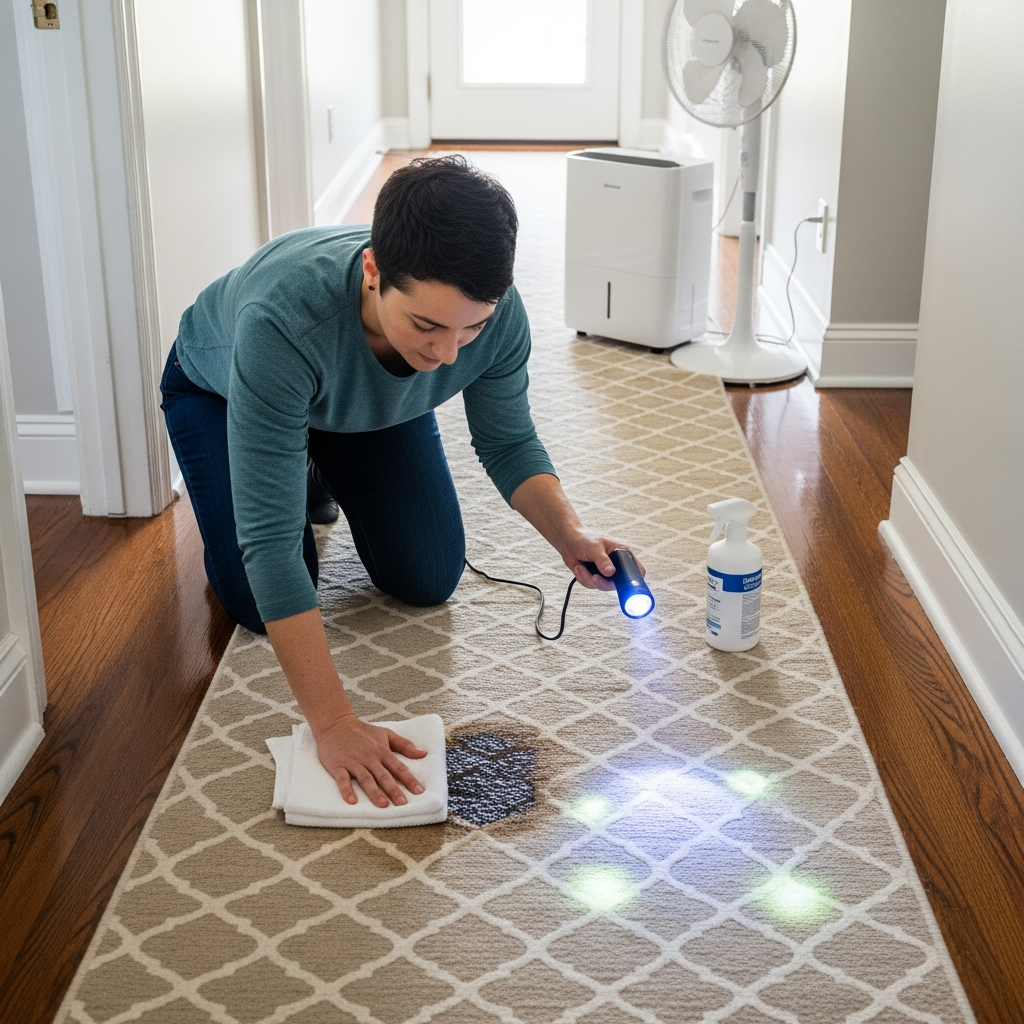
- Blot fast: Press white cotton towels firmly to lift moisture. Replace towels until they come up mostly dry. Do not rub.
- Apply cool water sparingly: A light mist helps dilute without over-wetting. Blot again thoroughly.
- Enzyme spotter: For fresh urine or organic messes, apply a wool-safe enzyme product as directed. Give it dwell time, then blot.
- Neutralize odors: Follow with a pH-balanced deodorizer suitable for your rug’s fiber. Avoid heavy perfumes that mask rather than neutralize.
- Speed-dry: Elevate the rug, circulate air, and, if possible, place a fan nearby. Fast drying reduces browning and odor rebound.
What Not to Do
- Avoid steam: Heat can set stains and odors permanently.
- Skip colored towels: Dyes may transfer to damp fibers.
- Do not saturate: Over-wetting pushes contamination deeper into the foundation.
- Avoid high-alkaline cleaners on wool and silk: They can damage fibers and dull colors.
Checking for Hidden Damage
Flip the rug. Pet accidents often penetrate to the backing and pad, especially on tufted or loosely woven pieces. If you see rings or darkened areas underneath, foundation-level treatment is needed. Surface cleaning alone will not solve recurring odor.
Targeted Techniques by Fiber Type
- Wool: Use cool solutions and gentle, pH-balanced cleaners. Enzymes help with fresh contamination; rinse lightly and dry quickly.
- Silk: Proceed with extreme care; avoid scrubbing. Blot and consult a specialist for anything beyond a minimal touch-up.
- Viscose/Rayon: Highly moisture sensitive. Use minimal liquid, fast drying, and avoid mechanical agitation that distorts fibers.
- Synthetics: More tolerant of moisture and agitation, but still avoid high heat and residues that attract soil.
Deeper Odor Neutralization
Persistent odor signals contamination in the foundation. Effective neutralization requires reaching the source:
- Flush and extract: When safe, controlled flushing dissolves salts and odor molecules. Rapid extraction prevents over-wetting side effects.
- Targeted deodorizers: Choose products that bond and neutralize rather than mask. Apply with care to prevent dye movement.
- Drying control: Dehumidifiers and airflow shorten moisture windows to stop odor rebound.
Dealing with Old or Set Stains
Old stains oxidize and bond to fibers. They can be reduced, not always erased. Options include:
- Reducing agents for certain dye families, applied conservatively and neutralized.
- Specialized oxidizers at low concentration to brighten without fiber burn, avoided on protein fibers when inappropriate.
- Color correction: In rare cases, professional re-dyeing may be considered to blend a stubborn area.
Elizabeth, NJ Considerations
Urban dust and winter road salt track in on pet paws. Place washable runners at entries and increase vacuuming during colder months. Summer humidity can trigger odor rebound after a marginal clean; prioritize rapid drying and ventilation.
Protective Measures to Minimize Future Incidents
- Quality pads: Cushion impact, protect floors from moisture, and keep rugs from shifting during pet zoomies.
- Scotchgard-style protectors: Applied professionally after cleaning, they help repel liquids and buy time for blotting.
- Training aids: Pair consistent schedules with enzyme-based cleaners to remove scent cues that trigger repeats.
- Routine inspections: Use a UV light monthly to spot hidden contamination before it spreads.
Middle-Mile Reality Check
If you are cleaning the same spot repeatedly, the problem is likely in the backing or pad. Removing and cleaning the pad—or replacing it—often resolves recurring odor. Professional rug cleaning with foundation-level deodorization reaches areas household tools cannot, giving you a true reset.
Frequently Asked Questions
Can I completely remove urine odor on my own? Sometimes, if the accident is fresh and contained in the face fibers. If it has reached the foundation or pad, professional treatment is typically required.
Why does a stain reappear after drying? Wicking draws dissolved soils to the surface as the rug dries. Additional rinsing and weighted drying address this.
Are enzyme cleaners safe for wool? Many are, if labeled wool-safe. Always test first and avoid overuse.
Will baking soda harm my rug? Light use helps absorb odors, but vacuum thoroughly afterward. Do not grind it into the pile.
How do I protect my hardwood floors from pet accidents? Use a quality rug pad with a moisture barrier and tend to accidents immediately to prevent seepage.
Can repeated pet accidents damage dyes? Yes. Urine’s changing pH can destabilize dyes and weaken fibers over time.
Is professional deodorization permanent? It is long-lasting when the contamination is fully removed and the area remains dry and clean. New accidents will require new care.
Do blacklights really find hidden stains? They reveal many organic residues in a darkened room, guiding targeted cleanup.
Reclaim Freshness and Comfort for Your Home
With smart first aid, fiber-safe cleaners, and rapid drying, many pet stains can be minimized or eliminated. For stubborn contamination that resists surface treatment, partnering with a local specialist ensures foundation-level odor control and gentle fiber care. Bring back a clean, inviting home by scheduling professional rug cleaning and enjoy life with pets—without the lingering mess.