
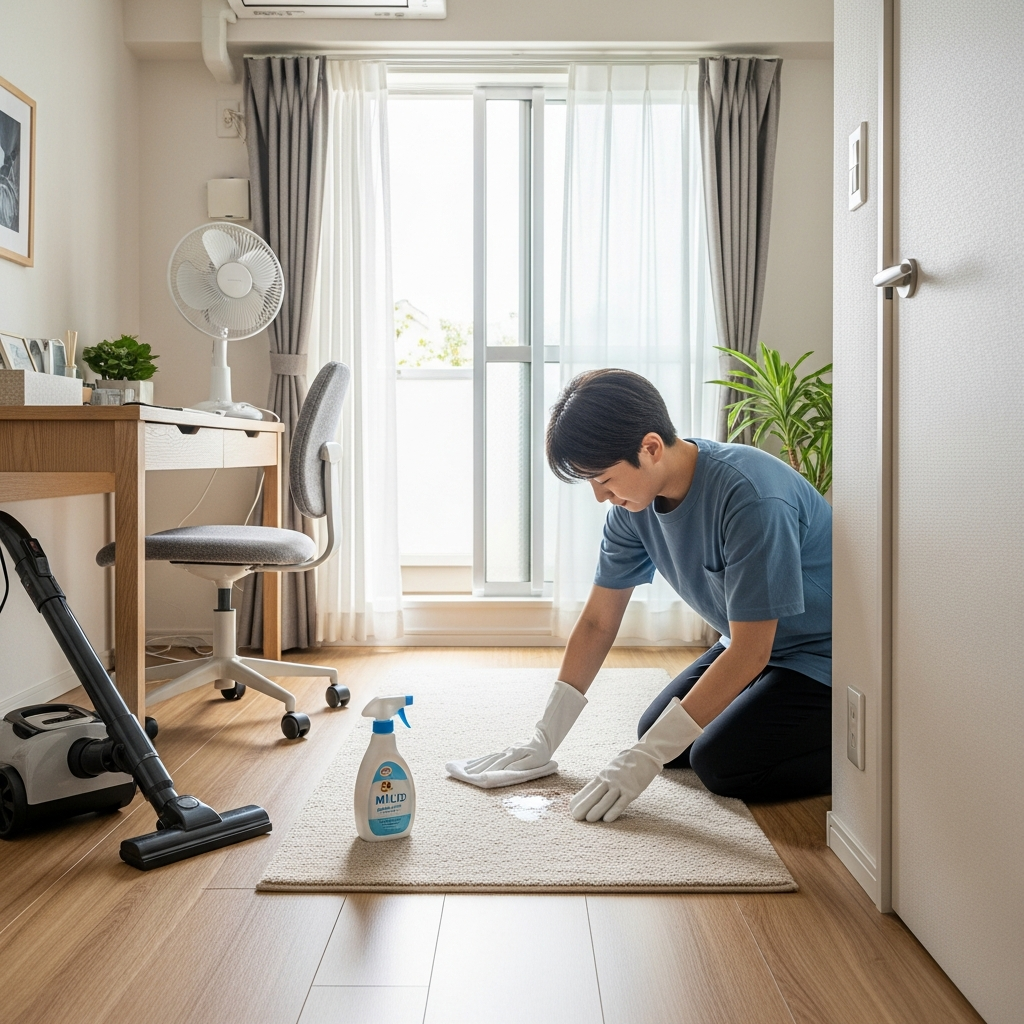
Living in an Elizabeth, New Jersey apartment presents unique rug maintenance challenges. Space constraints, building rules, and the need for quick turnaround between tasks make it essential to have an efficient, step-by-step cleaning plan. Whether you have a modest area rug in the living room or a runner in the hallway, a practical approach helps keep textiles fresh and prolongs their usable life. For more intensive jobs or delicate rugs, a professional specializing in rug cleaning can provide tailored services that respect apartment constraints and building regulations.
Step 1: Evaluate Your Rug and Setting
Start by identifying the rug’s material, age, and visible issues. Check labels for care instructions and note any spots, odors, or worn areas. In apartments, you may also need to consider building regulations about bringing large equipment or water usage for on-site cleaning. If your landlord restricts certain activities, ask about off-site cleaning options or pick-up and delivery services.
Determine the rug’s colorfastness by testing a small hidden area with a damp white cloth and a tiny amount of mild cleaner. If color transfers, avoid wet-cleaning and consult professionals who offer low-moisture or dry cleaning methods that are safer for non-colorfast textiles.
Step 2: Dry Cleaning and Preparation
Before applying any water-based cleaning, remove loose soil by vacuuming thoroughly. In apartments, use a vacuum with appropriate attachments to reach corners and under furniture. If your vacuum is powerful enough, a short daily routine will significantly reduce overall soil accumulation and make deep cleaning less frequent.
Address fringe carefully by running the vacuum wand along the fringe without catching it in the rotating brush. If your rug has a backing, inspect it for signs of wear or peeling that could affect cleaning choices. If the backing is damaged, consult a professional who can evaluate whether on-site cleaning is safe or if the rug should be taken off-site for specialized treatment.
Step 3: Spot Treatment and Small Stain Removal
In apartment living, quick attention to small spills prevents staining and odors. Blot spills immediately with a white cloth to absorb liquid. Use a gentle solution—cool water with a small amount of mild detergent—for most fresh food and beverage stains. For protein-based stains or pet accidents, enzyme-based spotters are effective and help neutralize odor-causing bacteria.
If the stain resists removal or is older, avoid repeated scrubbing. Instead, blot and consult a professional who can recommend targeted chemistry or advanced techniques that minimize risk to the rug’s structure and dyes.
Step 4: Decide on a Cleaning Method
Apartment dwellers must weigh the pros and cons of on-site versus off-site cleaning. On-site cleaning is convenient and avoids moving a rug through tight stairwells and hallways, but it requires space, ventilation, and permission for water usage. Off-site cleaning provides controlled drying and specialized equipment and may be the better choice for larger or delicate rugs.
If you choose on-site cleaning, opt for low-moisture methods like encapsulation for quick drying, or full extraction if you have adequate airflow and drying equipment. For limited spaces, schedule cleaning on days when you can open windows or use fans to facilitate drying.
Step 5: Professional On-Site Cleaning Steps
If engaging a professional to clean in your apartment, they will typically follow an organized process: initial inspection, dry soil removal, pre-treatment of soiled areas, agitation, extraction or low-moisture application, and drying with air movers. Professionals who work in apartments are skilled at minimizing disruption and protecting floors and surrounding surfaces during the process.
Ask the cleaner about protective measures they will take such as drop cloths, corner guards, and containment of moisture to avoid damage to subfloors or adjoining units. Experienced teams are efficient and respectful of building rules and neighbors.
Step 6: Off-Site Cleaning and Pick-Up/Delivery
For fragile or oversized rugs, off-site cleaning in a controlled environment often yields the best results. Off-site facilities use immersion, industrial extraction, and climate-controlled drying rooms. Many local providers offer convenient pick-up and delivery services that handle transportation and re-installation. This option reduces the risk of damage during apartment cleaning and ensures a thorough, specialized treatment for delicate textiles.
Step 7: Drying and Ventilation in Small Spaces
Drying is critical and challenging in apartments. Use fans and dehumidifiers to reduce moisture and speed drying. Consider temporarily moving the rug to a well-ventilated area or laying it over balcony railings if building regulations and weather permit. Never place a wet rug directly against walls or under heavy furniture until fully dry to prevent mold growth and discoloration.
Step 8: Protecting Rugs After Cleaning
After cleaning, place a breathable rug pad under your rug to allow airflow and reduce wear. Avoid direct sunlight which can cause fading; use window coverings to reduce UV exposure. Rotate the rug periodically to distribute wear and keep traffic patterns from causing permanent grooves.
Step 9: Routine Maintenance for Apartment Life
In the constraints of apartment living, consistency is everything. Schedule a vacuuming routine that fits your week, and keep a small spot-cleaning kit in a convenient spot. Clear protocols for shoes and pet management reduce soil transfer and prolong the time between deep cleans. If you live with roommates, agree on basic maintenance rules to share responsibility and preserve shared space.
When to Consider Professional Restoration
If your rug has tears, pet damage, or severe staining, professional restoration may be necessary. Restoration can include reweaving, patching, or re-dying, and often requires off-site specialized work. Contact a reputable service that handles repairs and can advise on whether restoration is cost-effective and feasible given the rug’s condition.
FAQ
Q: How often should I deep clean rugs in an apartment? A: Frequency depends on traffic and lifestyle. For moderate traffic, a professional cleaning every 12–18 months is common. High-traffic apartments or homes with pets may benefit from annual service.
Q: Can I use my apartment’s kitchen for cleaning rugs? A: Avoid wet-cleaning rugs in a kitchen unless you have permission and appropriate space. Kitchens can trap moisture and food particles, increasing the chance of odors and pests. Off-site cleaning or controlled on-site service in a living area is preferable.
Q: My rug is small; can I wash it in a bathtub? A: Small, sturdy synthetic rugs can sometimes be hand-washed in a tub, but natural fibers and delicate rugs should not. If you opt to wash at home, test for colorfastness and ensure full drying to prevent mildew.
Q: Are apartment-friendly cleaners less effective? A: Low-moisture and encapsulation methods can be very effective and reduce drying time, making them well-suited for apartments. The best method depends on the rug material and soil level; a professional can recommend the right approach.
Tips for Negotiating with Building Management
Before scheduling a professional clean, check building policies regarding services that produce noise, require water usage, or involve traffic in common areas. Provide the management with details about the company, the scope of work, and scheduling to minimize conflicts. Many cleaners provide certificates of insurance and references to reassure building managers.
If moving in or out, document the rug’s condition with photos to avoid disputes with landlords. Professional cleaning prior to move-out can demonstrate diligence and may be required as part of a lease agreement; check terms before scheduling services.
Local Considerations in Elizabeth
Elizabeth’s weather can affect drying times and soil levels. Plan cleanings during milder, drier periods when possible, and use dehumidifiers during humid months. Local professionals understand how seasonal conditions influence cleaning choices and will advise on optimal timing and methods for apartment settings.
Final Steps and Contacting a Specialist
Apartment life does not preclude thorough rug care. A clear step-by-step approach—from assessment to drying and post-cleaning protection—ensures clean, healthy rugs without major disruption. If your rug requires specialized attention or if you want a convenient off-site service, reach out to an expert in rug cleaning to discuss pick-up, cleaning methods, and delivery options that work within your apartment’s constraints. A trusted provider will accommodate building rules and deliver results that keep your home comfortable and attractive.