
The Ultimate Residential Tile and Grout Cleaning Checklist for Elizabeth, NJ
Whether you live in a historic Elizabeth rowhome or a modern condo near the waterfront, tile floors and walls play a central role in kitchens, bathrooms, laundries, and entries. Keeping grout bright and tile crisp requires consistent habits, the right tools, and a plan that accounts for New Jersey’s seasons. This comprehensive checklist gives you step-by-step guidance, room-by-room priorities, and smart habits that make a real difference over time. If you ever want a benchmark to compare your home routine against professional standards, you can study proven methods used in expert tile and grout cleaning to reinforce your approach and extend the life of your surfaces.
Use this guide as a living document—print it, save it, and adjust it to your home’s needs. With clear steps and simple tools, you will prevent buildup, make deep cleans easier, and keep your home feeling fresh.
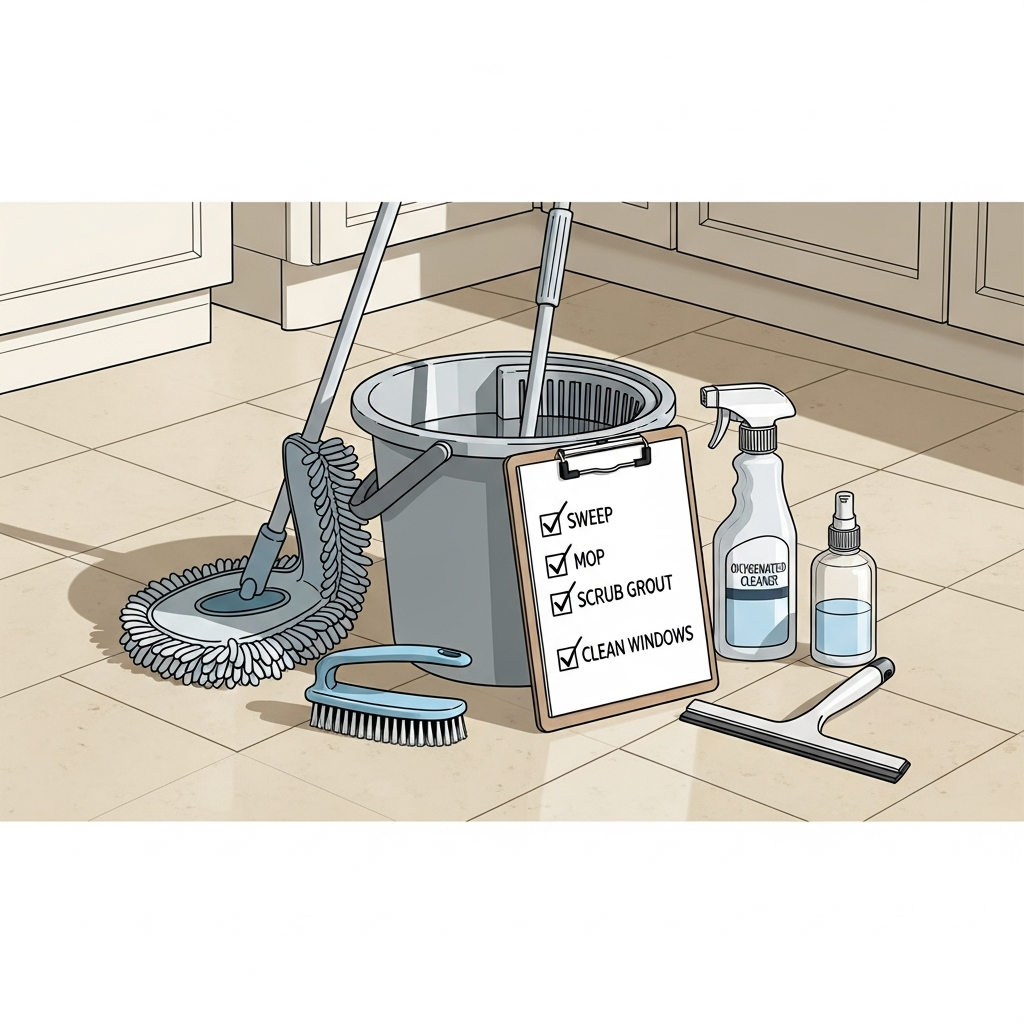
Core Supplies to Keep on Hand
- Vacuum with a hard-floor setting or a quality dust mop
- Microfiber mop with multiple washable pads
- pH-neutral cleaner for tile and stone
- Oxygenated cleaner for occasional grout brightening
- Soft-bristle grout brush and a medium nylon brush
- Spray bottles labeled for specific solutions
- Squeegee for showers and wall tile
- Non-scratch pads rated safe for tile
- Clean, colorfast towels for drying and buffing
- Knee pads or a comfortable kneeling mat
Pre-Clean Preparation Checklist
- Declutter floors and shower shelves so every surface is accessible.
- Vacuum or dust-mop to remove gritty soil that can scratch during wet cleaning.
- Mask adjacent wood or painted trim if needed to protect finishes.
- Confirm your tile type—ceramic, porcelain, or natural stone—so you use compatible products.
- Open windows or run exhaust fans for ventilation, especially in bathrooms.
- Secure pets and plan traffic routes so areas can dry undisturbed.
Daily Habits That Prevent Buildup
- Squeegee shower walls and floors after use to reduce moisture and soap residue.
- Blot spills in kitchens before wiping so oils do not push into grout.
- Dry wet footprints near entries to prevent water marks and residue lines.
- Run bathroom exhaust fans during and after showers; leave doors ajar for airflow.
Weekly Cleaning Routine
- Vacuum or dust-mop tile floors, focusing on edges and under toe-kicks.
- Mop with a pH-neutral cleaner using a damp microfiber pad; change pads as they load up.
- Brush visible grime in grout lines with a soft-bristle brush and a mild solution.
- Rinse with clean water or a fresh pad to remove residue.
- Dry with towels or a dry pad to prevent streaks and reveal any missed spots.
Monthly Deep-Clean Focus
- Spot-treat discolored grout with an oxygenated cleaner; allow dwell time without letting it dry.
- Agitate grout in small sections; work methodically to maintain consistency.
- Clean textured tile with a medium nylon brush to release film from micro-edges.
- Rinse thoroughly and neutralize residues; replace water as it becomes cloudy.
- Dry surfaces completely and inspect in good light from multiple angles.
Quarterly Protection and Inspection
- Check water beading on grout; if water soaks in quickly, plan to re-seal.
- Inspect caulk lines in showers and around tubs and sinks; replace failing caulk to prevent hidden moisture.
- Evaluate mats and rugs for staining or rubber transfer; clean or replace as needed.
- Review cleaner labels and refill supplies so you always have safe products on hand.
Room-by-Room Checklists
Kitchen
- Prioritize the zone in front of the range and sink where splatters occur.
- Blot oily spills, then clean with a mild alkaline solution approved for your tile.
- Check under breakfast bars and highchair spots for accidental drips.
- Rotate washable runners and clean them on the same schedule as floors.
Bathroom
- Run exhaust fans and squeegee after every shower to minimize moisture.
- Use a soap-scum remover safe for your tile; rinse and wipe dry.
- Scrub grout lines gently where water sits; dry corners with a towel.
- Inspect and replace worn shower door sweeps to prevent standing water.
Entryway and Mudroom
- Use outdoor and indoor mats; shake or vacuum them frequently.
- Place boot trays during winter to collect salt and sand.
- Vacuum edges and transitions where grit accumulates.
- Quick-mop after storms to avoid residue lines.
Laundry and Utility Areas
- Wipe detergent drips promptly to prevent sticky patches and discoloration.
- Place protective pads under metal items to avoid rust marks.
- Clean around appliances and check for slow leaks that can darken grout.
Handling Stains and Special Situations
Different soils need different strategies. Grease responds to an alkaline cleaner and dwell time; blot first, then wipe. Soap scum requires targeted products that break fatty acids without damaging tile. Mineral deposits form where water dries repeatedly; choose solutions compatible with your material, and avoid acids on natural stone. For organic stains in grout, oxygenated cleaners excel. Always test cleaners in an inconspicuous area and rinse thoroughly.
Elizabeth, NJ Seasonal Checklist
- Winter: Increase vacuuming near entries; deploy boot trays and wash mats often. After storms, quick-mop with a neutral cleaner to remove salts and sand.
- Spring: Address bathroom humidity and re-seal grout after a thorough deep clean. Open windows on mild days to help surfaces dry.
- Summer: Run fans and dehumidifiers to curb dampness in interior baths. Squeegee showers diligently.
- Fall: Prepare for school and sports traffic with an extra maintenance clean, and plan a refresh before holiday hosting.
What Not to Do
- Do not overuse cleaner; residue attracts soil and makes floors feel tacky.
- Do not use harsh abrasives or steel wool; they scratch tile and open grout pores.
- Do not mix chemicals; it is unsafe and can produce harmful reactions.
- Do not let solutions dry on the surface; maintain manageable sections.
- Do not ignore ventilation; moisture encourages discoloration and odor.
When to Consider a Professional Reset
Even the best routines reach a plateau. Signs you need a reset include grout darkening that returns quickly, tacky floors after mopping, persistent shower haze, and uneven results between edges and center areas. A well-executed reset restores a uniform look, makes weekly maintenance easier, and sets the stage for effective sealing. In the middle of your long-term care plan, aligning your home routine with the techniques used in specialized tile and grout cleaning can extend the life of your surfaces and reduce frustration.
Frequently Asked Questions
Q. How often should I re-seal grout? A. It depends on traffic, moisture, and products used. High-traffic kitchens and busy showers may need touch-ups more frequently than guest spaces. Test for water beading to guide timing.
Q. Can I use vinegar for routine cleaning? A. It is better to use a pH-neutral cleaner on most tile and especially on natural stone. Reserve specialized products for targeted problems, and always test first.
Q. What is the best way to keep showers bright? A. Squeegee after every use, run fans, and do a monthly deep-clean focusing on corners, niches, and grout lines. Replace failing caulk to keep moisture out of joints.
Q. Why do my floors feel sticky after I mop? A. Too much product or not enough rinsing leaves film. Reduce cleaner concentration, refresh your mop pad often, and finish with a clean-water pass.
Q. Are colored grouts more difficult? A. Colored and natural grouts each show soil differently. Sealing and consistent maintenance support both types and help them maintain an even appearance.
Make Your Checklist Work for You
Your home’s layout, lifestyle, and materials dictate exactly how you implement this checklist. Start with the daily and weekly basics, add monthly and quarterly deep-clean steps, and tweak based on what you observe. The payoff is a cleaner, healthier, and more inviting space. When you want to lock in a fresh baseline or prepare for move-in, a sale, or a big event, combine this plan with a reliable deep-clean service that understands your materials and your schedule. If you are ready to reinforce your routine with proven techniques, explore expert tile and grout cleaning and enjoy the confidence that comes from a home that stays cleaner longer.