
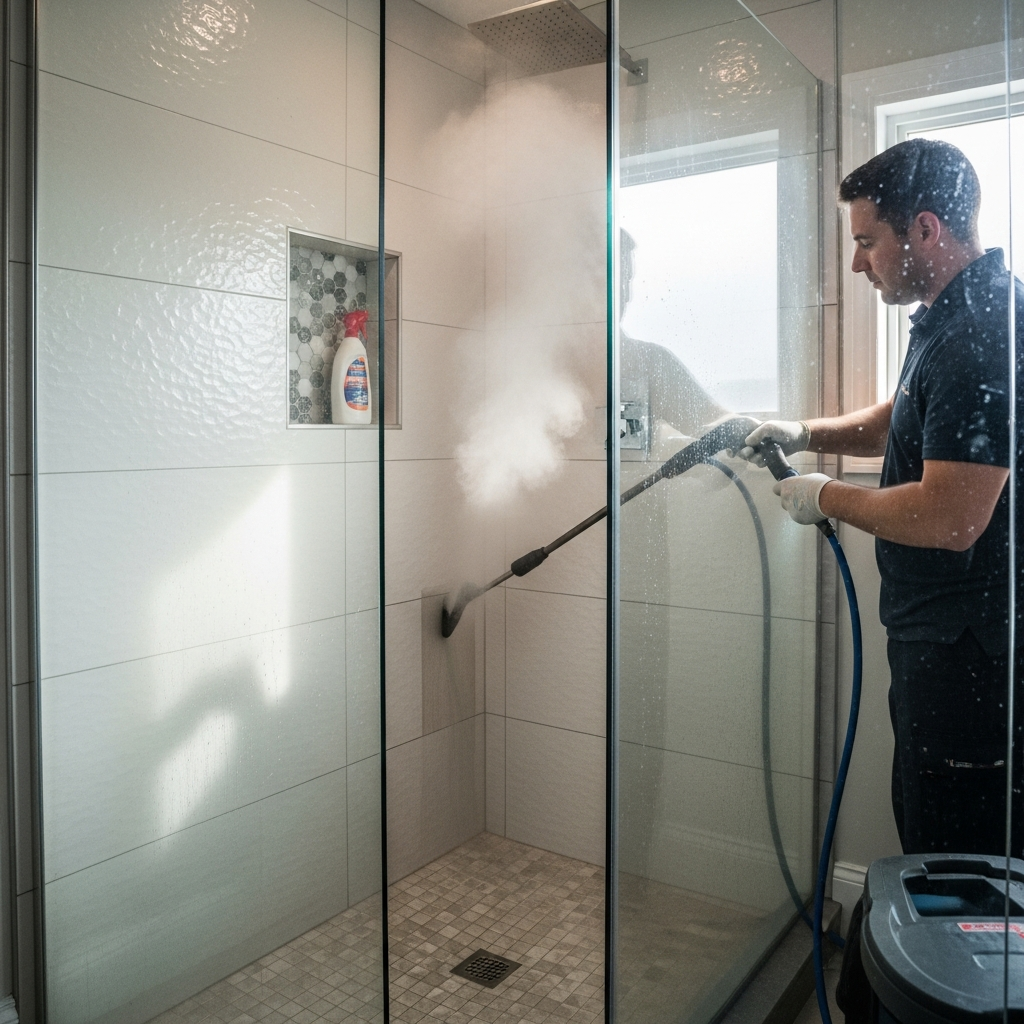
Steam Cleaning for Tile and Grout in Elizabeth, NJ: What to Know
Steam and heat-assisted methods have become go-to solutions for restoring tile and grout in kitchens, bathrooms, and entryways across Elizabeth, New Jersey. When used correctly, they lift stubborn films, break down sticky residues, and flush embedded soil from grout pores, all while minimizing harsh chemicals. If you have been considering a deeper clean to revitalize floors and showers, understanding how steam-based workflows function, when they are most effective, and how they differ from other techniques will help you choose confidently. To anchor your decision-making, it is useful to compare approaches used by teams that specialize in comprehensive tile and grout cleaning so you know what to expect from a well-executed service.
Elizabeth’s housing mix—historic apartments, single-family homes, and modern condos—presents a variety of tile types, from classic ceramic to textured porcelain and natural stone accents. Each material benefits from a tailored approach that respects its tolerance for heat, moisture, and agitation.
How Steam-Based Workflows Clean
In the professional context, “steam cleaning” can describe both true vapor steam units and hot water extraction tools that deliver heated rinses. The common goal is to combine controlled heat with targeted chemistry and agitation to release soils and residues. The typical sequence looks like this:
- Inspection and identification of tile, grout, and any prior sealers or coatings.
- Dry soil removal through vacuuming to prevent grit from scratching during wet steps.
- Application of a suitable pre-spray to break down oils, soap scum, or mineral films.
- Agitation with brushes or machines to lift contamination from pores and texture.
- Heat-assisted rinsing—either with a vapor steam tool for precision or a contained high-heat rinse for broader areas—to flush suspended soil.
- Drying, followed by sealing where appropriate to protect grout and stone.
Heat accelerates chemistry, reduces dwell time, and helps emulsify residues that ordinary mopping cannot touch. Proper technique ensures heat is delivered only as needed and always in a controlled manner.
Where Steam Methods Shine
Bathrooms with heavy soap scum, textured porcelain with stubborn haze, and tight corner areas benefit most from steam. Showers with niches, benches, and glass-to-tile transitions are excellent candidates, as vapor tools reach into small spaces without saturating walls. Kitchen floors that feel tacky after mopping often have layered film that releases better under heat-assisted rinsing. Entryways affected by winter salt and sand respond well once dry grit has been removed and residues are targeted with the right pre-spray.
Material Considerations: Ceramic, Porcelain, and Stone
Ceramic and porcelain are resilient but still require product compatibility and careful rinsing. Porcelain’s micro-texture can trap film; agitation plus heat helps restore clarity. Natural stone is more sensitive. Marble and travertine, for example, do not tolerate acidic products and require controlled heat and neutral chemistry. A knowledgeable technician will adapt technique to your specific surfaces and ensure grout joints, marble thresholds, and textured zones all receive appropriate care.
Steam Versus Other Methods
Steam and heat-assisted rinsing offer advantages over cold rinsing by speeding up soil release and reducing reliance on stronger chemistry. However, they are most effective when combined with thorough dry soil removal, precise product selection, and post-clean sealing. In some cases, especially where thick coatings or construction residues are present, alternative approaches may be used first to avoid pushing heavy material around. The best outcome often comes from a hybrid strategy tailored to the space.
Elizabeth, NJ Logistics and Preparation
Residents in multi-story buildings should coordinate elevator time and parking access. Clear small furniture and rugs, declutter shower shelves, and vacuum or dust-mop before the appointment. These steps help the team focus on the detailed work that yields visible improvements. Communicate any past issues—like persistent haze or recurring discoloration—so they can be addressed directly.
Sealing After Steam Cleaning
Once grout and tile are thoroughly cleaned and dried, applying a penetrating sealer protects the surface by slowing absorption. This makes spills easier to wipe up and reduces the effort required during weekly maintenance. Follow cure-time guidance and avoid moisture exposure until the sealer sets. For natural stone, use a suitable protector recommended for the specific material.
Maintenance Tips to Preserve Results
Adopt a simple routine to keep surfaces brighter for longer. Vacuum or dust-mop frequently to remove loose grit. Clean with a pH-neutral solution and a damp microfiber mop, changing pads as they load up. In showers, squeegee after use and ventilate with fans or open windows when possible. These habits minimize the conditions that lead to rapid re-soiling.
Common Issues and How Pros Solve Them
Sticky floors after mopping often indicate cleaner residue; heat-assisted rinsing and neutralization resolve the film. Recurring shower discoloration may stem from inadequate ventilation or old caulk that traps moisture; pros will recommend improvements and spot treatments. Hazy porcelain usually requires agitation plus controlled heat to lift bonded films and reveal the tile’s original finish. Edge lines and corners benefit from detail work with small brushes and targeted steam.
Seasonal Timing for Elizabeth Households
Plan steam-based cleaning after winter to remove tracked-in salts, and again before major holidays if you host guests. In summer, mind humidity; run fans and dehumidifiers to speed drying, especially in interior bathrooms with limited airflow. These seasonal adjustments help you enjoy peak results when you need them most.
FAQs: Steam Cleaning Tile and Grout
Q. Is steam safe for my tile? A. Used correctly, steam and heat-assisted rinses are safe for ceramic and porcelain. Natural stone requires additional care and compatible products. Pros tailor the method to your materials.
Q. Will steam remove all stains from grout? A. Steam lifts embedded soil and helps cleaning agents work better, but some stains are permanent if the grout’s pigment has changed or if the material is damaged. Sealing after cleaning helps prevent future discoloration.
Q. How long does drying take? A. Drying depends on ventilation, humidity, and surface area. With airflow and moderate temperatures, floors and walls typically dry quickly; sealing adds additional cure time—follow your technician’s guidance.
Q. Can I do this myself with a consumer steamer? A. Small steamers are useful for edges and light film, but professional systems and technique provide consistent heat, flow, and extraction that yield more uniform results.
Q. Do I need to move furniture? A. Clearing small pieces and rugs speeds progress and improves access. Discuss larger items during booking to set expectations.
Putting Steam to Work the Right Way
The real strength of steam-based tile and grout cleaning is precision combined with a methodical workflow. Heat accelerates cleaning, while trained technicians safeguard your materials and deliver even results. If you want a reliable yardstick to measure providers against, consider how they describe their process, product choices, and post-clean protection. In the middle of your research, it is helpful to reference established practices from teams that focus on tile and grout cleaning every day so you know the standard to expect.
Ready to Revive Your Tile in Elizabeth?
From showers with stubborn soap scum to kitchen floors that never feel clean after mopping, steam-based methods can make a noticeable difference when applied with care. If you are ready for brighter grout lines, a fresher look, and easier weekly maintenance, connect with a local team that uses proven techniques, communicates clearly, and respects your home. Begin by exploring expert approaches to tile and grout cleaning and take the first step toward revitalized surfaces that last.