
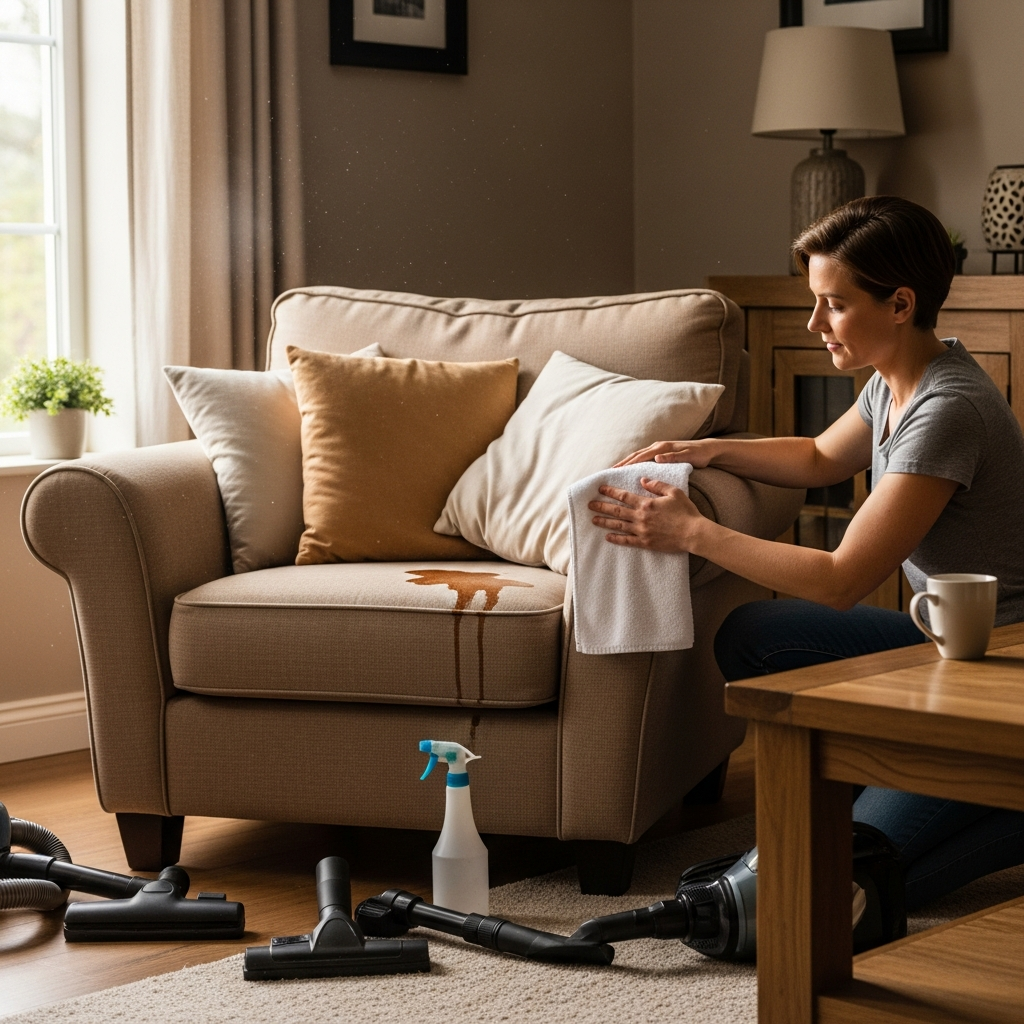
Smart, Practical Tips for Cleaner Upholstery in Elizabeth, NJ
Life in Elizabeth moves fast, and your furniture shows it. From movie nights and pizza parties to pet naps and pollen season, everyday messes build up quickly on sofas and chairs. The good news: a handful of practical habits can keep your upholstery looking and smelling great without marathon cleaning sessions. This guide compiles proven tips you can apply in minutes each week. To set a solid baseline for your routine, the fundamentals of upholstery cleaning shared here will help you work smarter, not harder.
These ideas favor low effort and high impact, tailored to fabrics common in New Jersey homes and the local climate’s humidity swings.
Tip 1: Vacuum Like a Pro
Use a crevice tool for seams, a soft brush attachment for open areas, and a flexible extension for tight spaces under arms and between cushions. Work top to bottom to prevent dropping dust onto already-cleaned areas. Two quick passes a week can cut deep-clean frequency dramatically.
Tip 2: Tackle Spots Immediately
Time matters. Blot spills gently with a white towel to avoid color transfer. Use cool water first on W-coded fabrics, then escalate cautiously to a mild upholstery detergent. For S-coded fabrics, skip water and blot with a solvent-safe cleaner on a towel. Always test hidden areas and avoid aggressive scrubbing that can distort fibers.
Tip 3: Rotate and Flip Cushions
Rotation spreads wear, prevents sagging, and reduces dark handprint zones on armrests and front edges. Mark cushion backs lightly with masking tape during rotation so you remember the new order next time.
Tip 4: Manage Pet Hair and Dander
Rubber grooming brushes and slightly damp microfiber cloths grab hair that vacuums leave behind. Finish with a vacuum pass to remove loosened debris. Consider washable throws on pet-favorite spots to reduce embedded oils and odors.
Tip 5: Mind Your Climate
Elizabeth’s summers can be humid. Plan deeper cleanings when you can run fans and dehumidification for fast dry times. In winter, heating systems circulate dust; vacuum seams and under-seat fronts more often to prevent gray shading.
Tip 6: Choose the Right Cleaner for the Fabric
Follow the tag code and match chemistry to fiber type. Natural fibers often prefer slightly acidic, low-residue solutions. Synthetics tolerate mild alkaline products but still benefit from thorough rinsing or towel extraction. When in doubt, choose the gentlest product that works and re-clean if needed.
Tip 7: Use Minimal Moisture
Overwetting causes rings, wick-back, and long dry times. Mist cleaners lightly and work in small sections. Blot, do not rub. For delicate weaves like velvet, focus on towel-transfer techniques and careful grooming of the nap.
Tip 8: Neutralize After Spotting
Many spotters are high or low pH. Follow with a neutral or slightly acidic rinse to reset the fabric and reduce resoiling. A small spray bottle marked “Neutral Rinse” simplifies this step.
Tip 9: Deodorize the Right Way
Address odor sources, not just scent. For pet issues on W or W/S fabrics, use enzyme solutions with adequate dwell, then extract or blot. For solvent-only textiles, ventilate well and work with odor-neutralizing solvents on a towel, keeping saturation minimal.
Tip 10: Protect High-Use Areas
After a thorough clean and dry, apply a fabric protector suitable for the textile. Focus on armrests, headrests, and cushion fronts. Light, even applications keep the hand soft and make future spot removal easier.
Tip 11: Build a Quick-Action Kit
- White cotton towels
- Soft upholstery brush
- Mild upholstery cleaner and neutralizing rinse
- Solvent-safe cleaner for S-coded fabrics
- Small spray bottles and masking tape for labeling
- Rubber grooming brush for pet hair
Tip 12: Improve Drying
Airflow is your friend. Use a small fan across, not directly onto, damp areas. Elevate cushions, open zippers if removable, and keep the room’s HVAC running to circulate air. Groom pile as it dries to maintain a consistent finish.
Tip 13: Work in Zones
Break a large sectional into logical sections—left arm, left seat, center seat, right seat, right arm—and complete each zone before moving on. This prevents missed spots and reduces over-wetting from bouncing around.
Tip 14: Treat Common Stains Strategically
- Coffee/tea: Blot, apply mild acidic spotter, rinse, blot dry.
- Grease/makeup: Solvent spotter on towel; dab gently, then neutralize.
- Ink: Specialty remover; short contact time and immediate blotting.
- Wine/juice: Cool water blot, tannin spotter if needed, rinse, quick dry.
Tip 15: Respect Delicate Textiles
For silk, rayon, and viscose blends, keep moisture low, use protective towels between tools and fabric, and shorten dwell times. If you see distortion or color movement during a test, stop and reassess a drier method.
Tip 16: Schedule Light Maintenance Cleans
A light overall clean every few months on high-use pieces prevents heavy soil loads that require aggressive chemistry later. Think of these as resets that keep textures soft and colors bright.
Mid-Project Reality Check
If a stain resists your efforts or a fabric behaves unpredictably, pause. Document what you used and tested so far, then compare your approach with trusted guidance on upholstery cleaning to confirm your next move. A brief reset can save a cushion.
Frequently Asked Questions
Q: How often should I vacuum upholstered furniture?
A: Twice weekly for high-traffic seating and weekly for occasional chairs keeps grit from abrading fibers and dulling color.
Q: What is the safest first step for any fresh spill?
A: Blot with a clean white towel to remove as much as possible before chemistry. Avoid scrubbing and hot water, which can set stains.
Q: How do I prevent water rings?
A: Use minimal moisture, expand the cleaned area slightly beyond the spot to feather edges, and dry quickly with airflow.
Q: Can I use household vinegar on upholstery?
A: Diluted acidic solutions can help with tannins, but improper use can cause odor and residue. Purpose-made upholstery products offer more control.
Q: Why does pet odor come back after cleaning?
A: Deep contamination in foam or batting can wick back. You may need to treat or replace the cushion core for full odor removal.
Q: Is microfiber easy to maintain?
A: Yes, microfiber handles light spotting well with minimal moisture, but avoid aggressive scrubbing that can mat the pile.
Q: Do I need a protector on synthetic fabrics?
A: Protectors help on any high-use area, especially where body oils accumulate. Apply lightly after thorough cleaning and drying.
Q: What about colored towels for blotting?
A: Stick with white towels to prevent dye transfer and to see what you are removing.
Q: Should I take cushion covers off to wash?
A: Only if the manufacturer specifically allows it. Many covers shrink or distort in household washers and dryers.
Q: What if my tag is missing?
A: Perform careful testing for colorfastness and moisture sensitivity. When uncertain, choose the driest, gentlest approach.
Make Your Seats Company-Ready
Small, consistent habits prevent big, time-consuming cleanups. Vacuum regularly, spot quickly, neutralize wisely, and dry fast. If you want a head start or backup for stubborn stains or delicate fabrics, schedule a visit or compare your plan with professional best practices for upholstery cleaning and enjoy refreshed furniture in your Elizabeth home.