
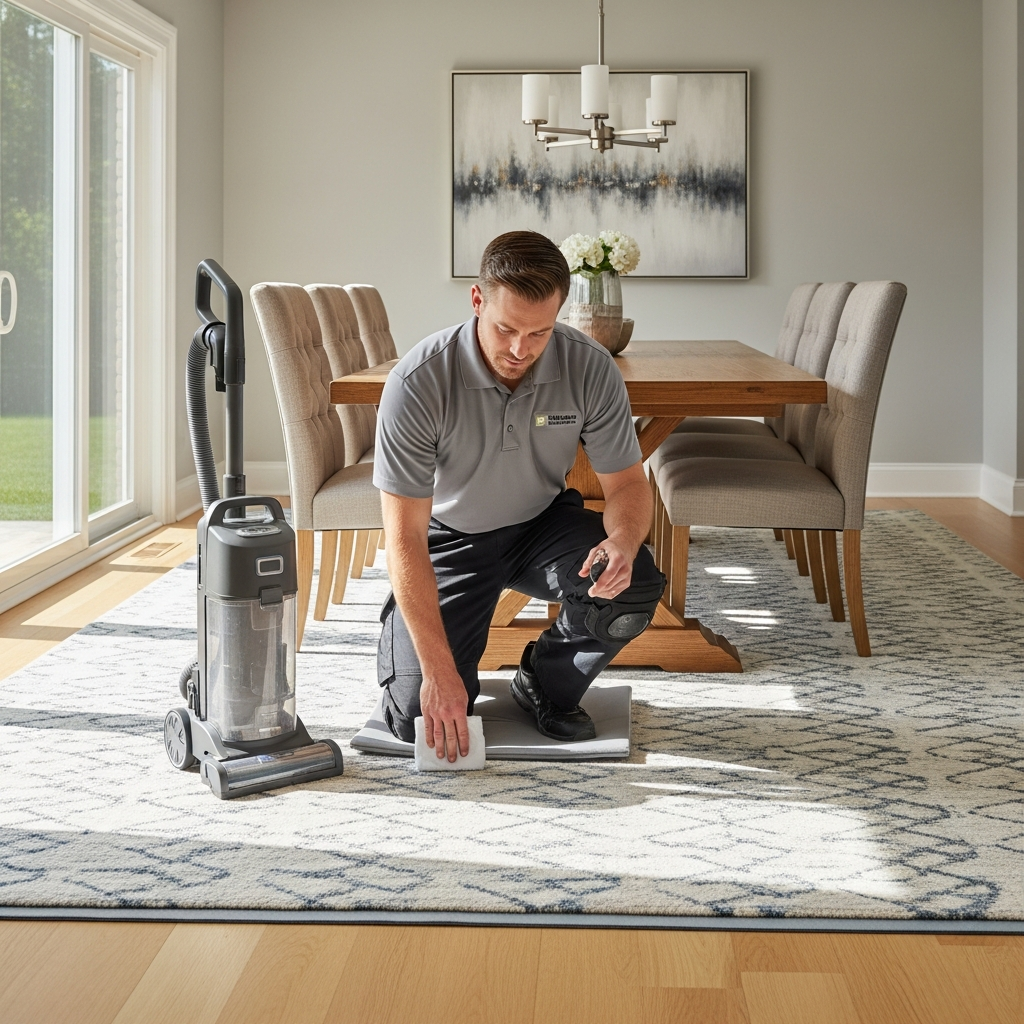
Introduction: Practical Tips for Area Rug Care
Maintaining area rugs in Elizabeth, New Jersey involves more than vacuuming; thoughtful cleaning and routine care preserve the texture, color, and structure of your rugs. If you need professional support, selecting a technician who understands local conditions, fiber types, and common wear patterns is essential. For many homeowners, starting with an evaluation from reputable providers makes the process straightforward—consider contacting experienced professional rug cleaning services who can advise on the correct approach for your area rugs.
This guide provides a thorough overview of how to care for area rugs, including pre-cleaning preparation, spot treatment best practices, the common cleaning methods used by professionals, storage recommendations, and a detailed FAQ to help you navigate frequent questions. While we won’t discuss specific prices or costs, you will find useful information about value factors and service choices that help you decide when to call a pro versus handling maintenance yourself.
Assessing Your Area Rug’s Needs
Begin by identifying the rug’s fiber content, construction, origin, and age—these determine cleaning compatibility. Wool and silk require gentler handling and balanced pH cleaners, while many synthetics are more forgiving and can tolerate more aggressive cleaning. Handmade or antique rugs often have unique dyes or fragile foundations that necessitate conservation-grade cleaning techniques. When in doubt, treat the rug as a delicate piece and seek professional guidance to avoid irreversible damage.
Also consider exposure to traffic, sunlight, pets, and dining areas. These environmental factors influence how often your rug should be cleaned and what preventive measures to adopt. High-traffic zones may benefit from more frequent professional care plus routine rotation to evenly distribute wear.
Preparing Your Rug for Professional Cleaning
Before a professional cleaning, clear the area around the rug, remove small objects and decorative items, and note any existing stains or damage. Photograph both sides of the rug and the fringe, and provide this documentation to the cleaner during consultation. If your rug is placed under heavy furniture, measure and confirm if the cleaning team will move furniture or require you to do so in advance.
If your rug has pet stains, mention this explicitly so technicians can plan for enzymatic pre-treatments. For valuable pieces, ask about the provider’s handling procedures and whether they offer special packaging for transport to protect the rug during transit.
Common Professional Cleaning Techniques Explained
Area rug cleaners often select from several approaches. Hand washing in controlled troughs uses gentle agitation and rinsing to extract deep soils while monitoring temperature and pH balance. Hot water extraction is effective for many synthetic and some wool rugs, using pressurized water to flush contaminants, followed by thorough extraction to remove moisture. Low-moisture cleaning and encapsulation use polymer solutions that encase dirt for vacuuming, providing faster drying times for certain rugs.
Dry cleaning methods are reserved for delicate fibers and antique rugs where water might compromise dyes or backing. Technicians may also perform colorfastness testing and spot testing before applying any chemicals to ensure dye stability and prevent bleeding. Communication with your cleaner about the chosen method and expected drying time helps you plan furniture placement and ventilation arrangements at home.
Spot Cleaning and Stain Response
Quick action after a spill often reduces long-term damage. Blot gently to absorb liquids, avoid heat and friction, and refrain from using strong household chemicals that may alter colors. For pet stains and odors, professional enzymatic cleaners neutralize organic compounds and target sources rather than masking odors. If you must attempt a home remedy, test it on a hidden edge and use only white cloths to prevent dye transfer.
Not all stains are removable, and some require specialized restoration. Discuss expectations with your provider during the evaluation stage to understand what results are realistic and safe for your rug’s materials.
Drying and Post-Cleaning Care
After cleaning, thorough drying is critical. Residual moisture can invite mildew and cause fibers to feel stiff. Cleaners often use climate-controlled drying rooms, fans, or dehumidifiers to ensure consistent drying. Once dry, rugs are groomed to align the pile and restore texture. If a rug remains slightly stiff, gentle brushing and time in a well-ventilated area usually restores softness.
Implement a rotation schedule and use rug pads to reduce friction and slippage. Rug pads also provide a cushioned surface and extend rug life by absorbing impact in high-traffic areas. If you store a rug, clean it first and roll it with acid-free paper or breathable cloth to prevent discoloration and preserve fibers.
Choosing a Provider: Questions to Ask
When interviewing rug cleaners, ask about their experience with your rug type, whether they perform in-house testing for colorfastness, and if they offer documented references or photos of previous work. Confirm whether they provide pickup and delivery, the steps they take to protect your rug during transport, and their policies on disputes or damage claims. Insurance coverage and transparent communication about timelines and methods are signs of a professional and responsible operation.
Additionally, find out if they handle repairs and restoration or if they refer to specialist conservators for antique pieces. For valuable rugs, a conservator’s expertise may be recommended for structural repairs or color restoration beyond routine cleaning.
Maintenance Tips to Extend Rug Life
To keep area rugs looking their best, vacuum weekly in low-to-moderate traffic areas and more frequently where needed. Use a broom or soft brush to lift dirt near edges and fringes. Spot-clean spills promptly by blotting and contacting professionals for persistent stains. Avoid direct sunlight to minimize fading; use curtains or relocate rugs periodically. Consider professional cleaning on a cycle suited to your lifestyle—homes with children, pets, or heavy traffic will need more frequent service than vacation homes or low-use areas.
Frequently Asked Questions
Q: How often should area rugs be professionally cleaned? A: Frequency depends on traffic, pets, and environmental factors. Many homeowners plan cleanings every 12 to 36 months, but busy households may require more frequent attention.
Q: Will professional cleaning shrink my rug? A: Properly performed professional cleaning minimizes shrinkage. However, improper water temperature or aggressive agitation can lead to movement in some natural fibers, which is why experience and controlled processes matter.
Q: Can I clean my rug myself? A: Some routine care and spot cleaning are safe to do at home, but deep cleaning and restoration are best left to professionals, especially for valuable or delicate rugs.
Q: What is the safest cleaning method for antique rugs? A: Dry or low-moisture conservation techniques are often safest for antiques because they reduce the risk of dye migration and structural weakening.
Final Considerations and Next Steps
Area rug maintenance in Elizabeth, New Jersey is manageable with the right balance of routine care and periodic professional intervention. Choosing a service that understands rug fibers, provides careful handling, and communicates clearly about processes and timelines ensures your investment remains attractive and functional for years. For professional examinations and to arrange cleaning or pickup and delivery service, reach out to trusted experts such as professional rug cleaning services who can guide you through options and schedule a convenient appointment.
Document your rug’s condition before service, ask the questions outlined above, and follow recommended post-cleaning care to maximize the benefits of professional maintenance. When you are ready, prepare details such as rug size, material, and any specific concerns to get an accurate assessment and ensure a smooth service experience.