
Rugs are the unsung air filters of a home. They catch the grit from Elizabeth’s busy streets, the pollen that drifts in from early-spring blooms, and the slush residue of winter. With the right routine—and a few local insights—you can protect colors, extend fiber life, and make every room feel fresher. The foundational principles you’ll use mirror what reputable providers of rug cleaning rely on: identify fibers, remove dry soil first, clean with controlled moisture, and dry quickly.
Tip 1: Start with intelligent dry soil removal
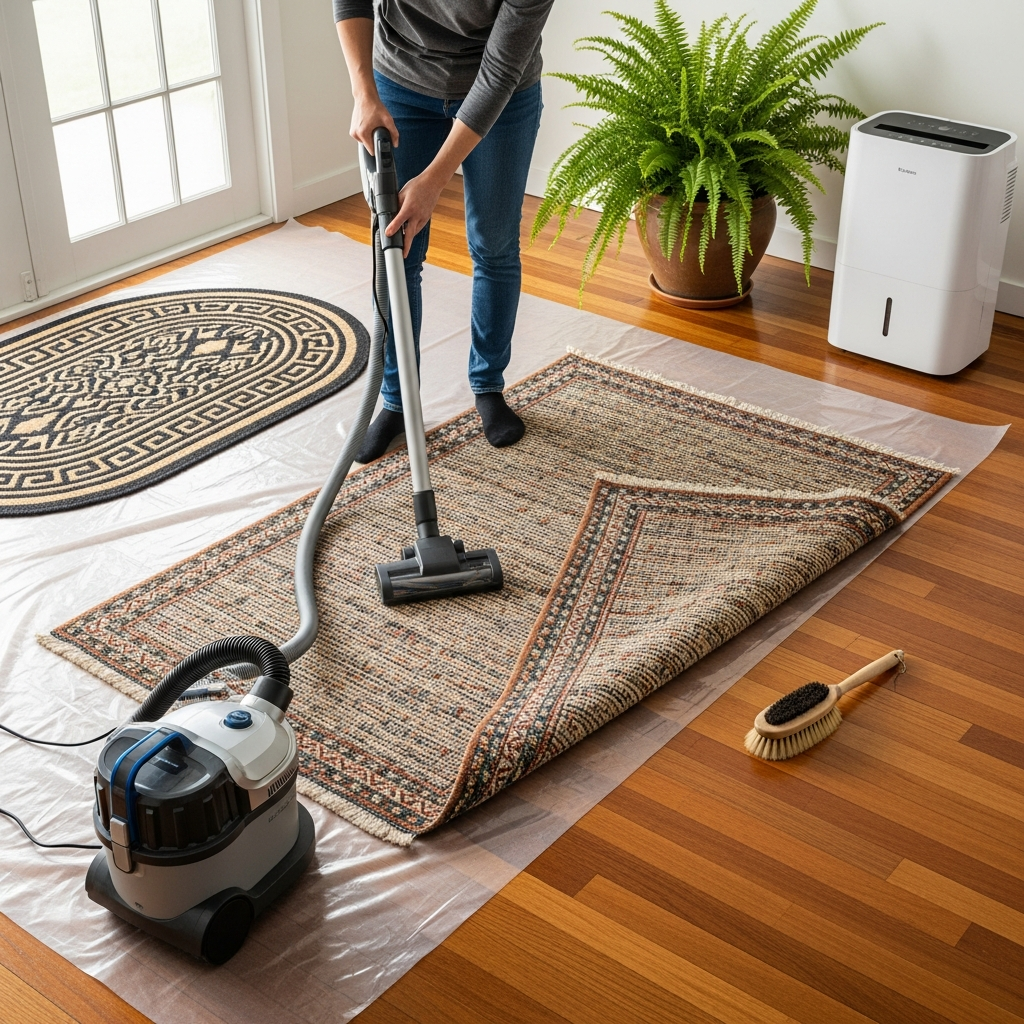
More than half of the soil in rugs is dry, gritty particulate that vacuums can lift if you take your time. Use slow, overlapping passes and adjust height so you’re not grinding the brush into delicate pile. For dense wool, begin with suction-only, then test a soft brush if shedding is minimal. Flip the rug and vacuum the back to rattle loose embedded dust, then vacuum the face again for a satisfying, visible lift in brightness.
Tip 2: Test dyes every time
Elizabeth’s older homes often include heirloom or imported rugs with natural dyes. Wet a white towel with cool water and press it onto bold colors. Any transfer means you should switch to low-moisture cleaning, cool solutions, and frequent blotting. This small step can prevent color migration that’s difficult to reverse.
Tip 3: Choose the right cleaner for your fiber
- Wool: Use a wool-safe detergent at the label’s dilution and rinse with a mild acidic solution (water plus a splash of white vinegar).
- Cotton: Tolerates moisture better, but be careful with fringe—agitate gently and blot.
- Synthetics (nylon, polyester, olefin): A neutral detergent works; rinse well to avoid sticky residue.
- Viscose/rayon: Extremely delicate; avoid saturation and rely on light towel transfer methods.
Tip 4: Control moisture—especially in humid months
Newark Bay’s breeze and summer humidity can slow evaporation. After you apply a light pre-spray and agitate gently, blot thoroughly, then rinse with cool water (acidified for wool) and press dry towels until little moisture remains. Elevate the rug and aim a fan to move air across the surface. Add a dehumidifier on damp days so moisture doesn’t linger.
Tip 5: Treat spills the smart way
- Blot immediately with a white towel; don’t rub.
- Apply the right spotter: enzyme for pet urine, oxygenated for coffee/tea/wine.
- Work from the edges inward to prevent spreading.
- Finish with a rinse and grooming to reset pile direction.
Tip 6: Protect floors during cleaning
Place a plastic sheet or waterproof barrier under damp rugs to protect hardwood finishes and subfloors. Once the rug feels dry to the touch on both sides, move it back to its normal position and ensure the pad underneath is dry as well.
Tip 7: Manage odors at the source
Persistent odor is rarely just on the surface. If an accident soaked through to the backing or pad, the salts can pull moisture from the air and re-odorize the room on humid days. Use an enzyme treatment and controlled moisture. If odor persists, the backing or pad may need specialized treatment or replacement.
Tip 8: Build a low-effort schedule
- Weekly: Thorough, slow vacuuming.
- Monthly: Flip rugs, vacuum the back, and sweep/vacuum edges.
- Seasonal: Rotate for even sun exposure and traffic patterns.
- Annual: Full cleaning for living room and hallway rugs; lower-traffic rooms can go 18–24 months.
Tip 9: Tackle fringe separately
Fringe can wick colored moisture and turn dingy. Keep the colored pile dry while you gently clean fringe with a wool-safe detergent and cool water, blotting instead of scrubbing. Rinse and blot again. If dye creep appears, stop and let a specialist correct it.
Tip 10: Know when to get help
Unstable dyes, severe pet contamination, or a viscose rug with a dramatic sheen are red flags. Specialized shops stabilize dyes, flush contamination, and manage drying precisely. For heirloom pieces or complex stains, choosing professional rug cleaning protects your investment while restoring color and hand feel.
Tip 11: Optimize for Elizabeth’s climate
Winter thaw brings road salt traces and slush. Lay an absorbent mat by doors, shake it out often, and keep a towel handy for quick blotting. Spring pollen can dull bright colors; increase the frequency of dry vacuuming. In summer, pair your fan with a dehumidifier during drying. Fall leaf debris carries tannins that can stain—address leaf stains promptly with an oxygenated spotter and cool water rinse.
Tip 12: Keep rugs safe around kids and pets
Choose wool-safe or neutral pH products, ventilate the room, and rinse thoroughly so no residue remains. Store spotters up high, and keep fans secure where children or pets cannot tip them over. Pet nails can snag loops; keep nails trimmed and select tighter weaves for play areas.
Tip 13: Handle heavy furniture marks
After cleaning and drying, use a coin wrapped in a towel or a soft brush to gently tease pile upright. A light steam from a kettle at a distance—without wetting—can relax crushed fibers. Always test first and proceed cautiously with wool.
Tip 14: Watch for wicking
Sometimes a spot looks gone while damp but reappears after drying as moisture wicks up from the base. If that happens, re-treat the area lightly, blot, and then dry with better airflow and more towel pressure.
Tip 15: Choose the right pad
A quality pad prevents slip, cushions footfall, and reduces fiber wear. In apartments with radiant heat or on finished hardwoods, pick a pad compatible with your floor coating to prevent staining or sticking.
Frequently Asked Questions
Q: How long should a typical clean take?
A: For an average living room rug, plan 60–90 minutes plus drying time. Complex fibers or heavy soil will take longer.
Q: Can I use hot water to speed cleaning?
A: For wool and dyed natural fibers, use cool water. Heat increases the risk of dye bleed and felting. Synthetics tolerate warmer water, but cool works well and is safer.
Q: Why does my rug feel crunchy after it dries?
A: Detergent residue. Rinse again with a mild acidic solution, blot thoroughly, groom, and dry with airflow.
Q: What’s the safest way to clean a viscose rug?
A: Very low moisture, gentle towel transfer, and no aggressive scrubbing. If large or heavily soiled, it’s safer to consult a specialist.
Q: Should I clean the back of the rug too?
A: Yes—vacuuming the back monthly helps shake loose embedded dust and prevents that dust from migrating to the face.
Q: Is it okay to dry a rug in the sun?
A: Limited indirect sun can help, but direct sun for hours can fade dyes and make fibers brittle. Rely on airflow and shade instead.
Q: How do I stop edges from curling?
A: Reverse roll the rug gently and set it flat under light weight once dry. Ensure the pad fits properly and the floor is clean; grit can lift edges.
Q: How often should I rotate?
A: Every 3–6 months, especially in rooms with strong sun from one direction or noticeable traffic lanes.
Practical routine for busy Elizabeth households
Keep a caddy with towels, a wool-safe or neutral cleaner, enzyme spotter, and a small brush. Do quick cleanups in the moment, then plan seasonal refreshes when the forecast is dry and you can run a fan and, if needed, a dehumidifier. If you’re juggling work, school runs, and weekend commitments, scheduling occasional professional rug cleaning can reset stubborn dullness and odors so your day-to-day care stays easy.
Next steps for healthier, brighter rugs
With simple tools, patient technique, and smart drying, your rugs can last for years while making your rooms quieter and more comfortable. When you face unstable dyes, heavy pet issues, or a valuable heirloom, call in experts who follow these same principles and add specialized tools. Book dependable rug cleaning to safeguard delicate fibers, restore color, and enjoy cleaner air throughout your Elizabeth home.