
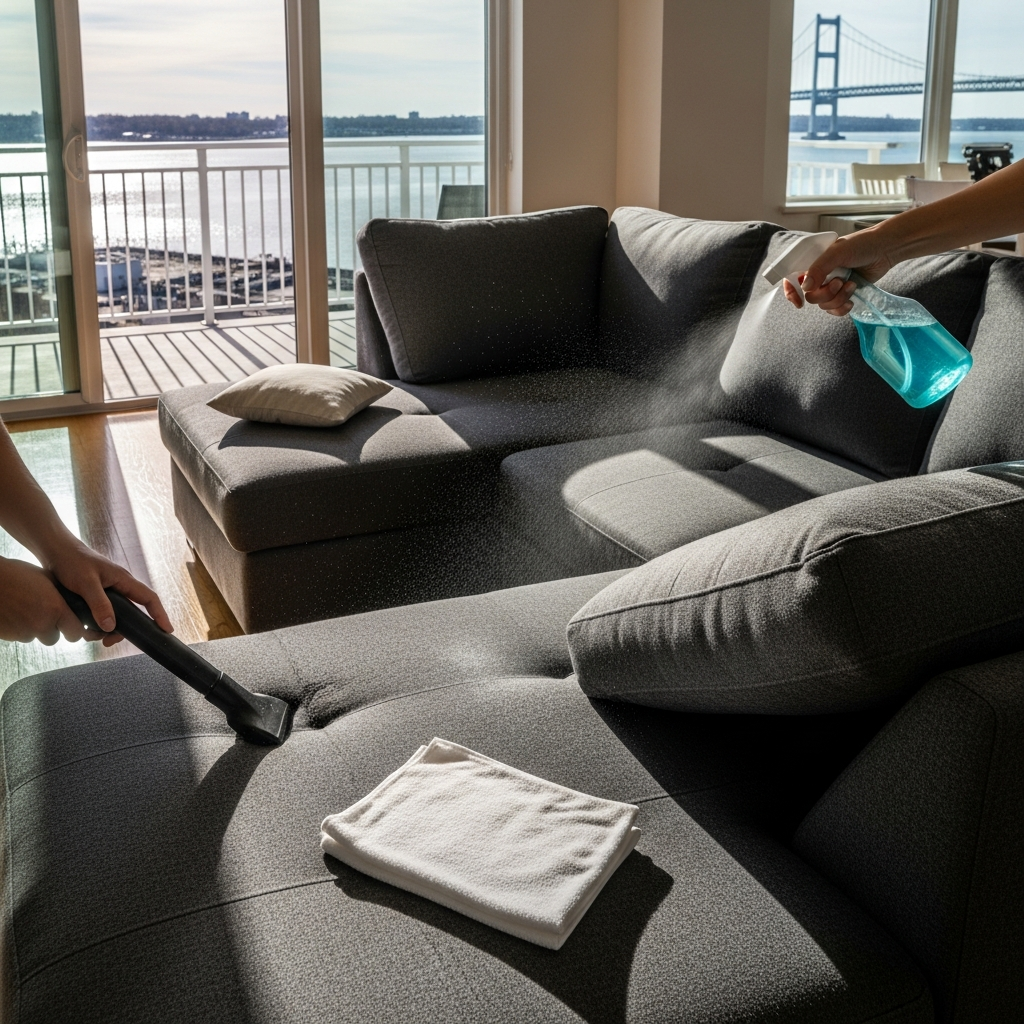
Introduction: A Holistic Approach to Cleaner Upholstery
From historic homes near downtown Elizabeth to modern apartments by the waterfront, upholstery takes daily wear from family life, pets, and changing seasons. This complete guide gives you a systematic approach to maintain, refresh, and protect the textiles you love—without guesswork. You will learn how to assess fabrics, remove dry soil, choose appropriate solutions, and set a realistic schedule for care. If you prefer periodic help for heavy lifting or specialized stains, combine your routine with professional upholstery cleaning to extend fabric life and keep rooms feeling healthy and bright.
Use this as a reference you can return to throughout the year. The steps are designed to be safe for most common fabrics when you follow testing guidelines and keep moisture controlled.
Understand the Fabric You Are Working With
Fabric identification directs every decision you make. W-coded materials accept water-based cleaning, S-coded materials prefer solvent cleaning, W/S accept either, and X-coded fabrics are vacuum-only and best left to pros for anything beyond simple dry soil removal. Natural fibers such as cotton, linen, and wool provide comfort and breathability but can wrinkle and absorb spills quickly. Synthetics like polyester and acrylic resist some staining but can hold oils. Blends combine traits from each. If you cannot find a code, test the mildest method—distilled water and a tiny amount of gentle soap—on a hidden seam and watch for color transfer or texture change.
The Core Process: Dry, Treat, Clean, Rinse, Dry Again
- Dry Soil Removal: Vacuum with upholstery tools, getting seams, buttons, and crevices. This prevents mud-making when moisture is introduced.
- Spot Identification and Pre-Treat: Know the stain’s type—protein, oil, dye, or particulate. Choose a targeted, minimal approach and blot rather than rub.
- Controlled Cleaning: Use a mild, fabric-appropriate solution and clean in small sections. Keep the cloth barely damp, not wet.
- Residue Rinse: Wipe with distilled water to remove leftover soap or solvent traces on approved fabrics.
- Thorough Drying: Promote airflow with fans and time. Reposition cushions for even drying and grooming of the nap.
Choosing Safe Solutions
For W/W-S fabrics, mix a few drops of clear, dye-free dish soap into distilled water. For S-only fabrics, isopropyl alcohol can dissolve oils with minimal moisture. Avoid harsh chemicals, heavy perfumes, and bleach. For deodorizing, use baking soda sparingly on completely dry fabric and vacuum thoroughly after 20–30 minutes. A very light vinegar rinse on W/W-S fabrics can help neutralize stale odors, but always test and use in small amounts.
Managing Common Stains
- Protein (food, milk, sweat): Use cool water with a tiny drop of soap. Dab and lift, then rinse with a barely damp water-only cloth.
- Oils (body oil, lotions, condiments): Blot dry first. For S/W-S, dab with isopropyl alcohol on a cloth. Follow with a dry towel.
- Dyes (juice, wine, markers): Blot up promptly, change to a fresh cloth section frequently, and test cleaner before committing.
- Particulates (soil, dust): Vacuum first; only then attempt damp cleaning. Wet dirt spreads and can abrade fibers.
- Sticky residues (gum, wax): Harden with an ice pack and lift gently with a dull spoon before spot-cleaning the remainder.
Working Room by Room
In living rooms and dens, prioritize high-contact zones: armrests, cushion fronts, and headrests collect oils and dirt quickly. In dining areas, address chair seats routinely to prevent food-related discoloration. In bedrooms and home offices, focus on upholstered headboards and desk chairs, which gather hair and skin oils subtly over time. For households with pets, schedule weekly vacuuming and lint removal, especially during seasonal shedding.
Airflow, Humidity, and Drying
Elizabeth’s seasonal changes affect drying and odor control. In summer, humidity slows evaporation; rely on fans and plan projects earlier in the day with windows open when possible. During winter, indoor heat dries the air but can cause static and make fine dust resettle; wipe surrounding hard surfaces so soil does not drift back onto freshly cleaned fabric. Always avoid direct, high heat on the fabric itself to prevent setting stains or shrinking fibers.
How to Prevent Residue Build-Up
Residue attracts dust and makes fabric feel stiff. Use fewer suds than you think you need, and always follow a cleaning pass with a lightly damp, clean cloth to remove residues on W/W-S fabrics. If the fabric feels tacky after drying, repeat a minimal rinse step. Avoid over-application of deodorizing powders; thorough vacuuming is essential to remove fine particles afterward.
Maintenance Schedule for Busy Households
- Weekly: Vacuum and lint-roll high-use areas. Check for new spots and treat them immediately.
- Monthly: Rotate cushions, groom nap on textured fabrics, and do a light wipe on headrests and armrest zones.
- Quarterly: Perform a gentle, section-by-section refresh of frequently used seating, ensuring minimal moisture and thorough drying.
- Annually or Biannually: Combine DIY with professional upholstery cleaning to flush embedded soils and stabilize any reappearing stains.
When DIY Is Not Enough
Consider stepping back when you see persistent color transfer on your cloth, water rings that expand despite careful blending, smoke contamination, or widespread pet issues. Antique or heirloom pieces with unique weaves, delicate trims, or unstable dyes are best handled by experts who can tailor the approach and moisture level to the exact fabric. Pausing early prevents permanent damage and preserves the fabric’s integrity and value in your home.
Eco- and Family-Friendly Practices
Choose fragrance-free, dye-free soaps and keep ventilation strong. Work during daylight for better visibility, and keep pets and kids away from damp furniture until fully dry. Wash or replace microfiber cloths frequently to avoid re-depositing soil. These small habits protect indoor air quality and ensure results feel as clean as they look.
Frequently Asked Questions
Q: What is the safest first step for an unknown fabric? A: Vacuum thoroughly, then test a barely damp cloth with distilled water in a hidden area. Proceed only if there is no color transfer or texture change.
Q: How do I keep cushions from developing dark edges? A: Rotate and flip routinely, vacuum edges and seams, and do a monthly light wipe on high-contact zones with an appropriate, minimal solution.
Q: Can baking soda damage upholstery? A: Used sparingly on dry fabric and vacuumed thoroughly, it is generally safe. Overuse can leave powdery residue that dulls appearance.
Q: My sofa smells musty after cleaning. What went wrong? A: Likely slow drying or trapped residue. Increase airflow, perform a light rinse wipe with distilled water if fabric allows, and ensure the interior foam and batting dry completely.
Q: Is a portable extraction machine a good idea? A: Only for fabrics that tolerate water-based cleaning and only with light, controlled passes. Over-wetting can cause rings, odors, or shrinkage.
Q: How often should I bring in a professional? A: For busy households or homes with pets, plan annually; for lighter use, every 12–24 months is typical. Choose sooner if you notice recurring spots or dullness that DIY cannot resolve.
Bring Out the Best in Your Upholstery
If you want deeper results or help with delicate fabrics and stubborn stains, partner your routine with professional upholstery cleaning in Elizabeth, New Jersey. With smart habits and timely expert support, your furniture will stay comfortable, clean, and inviting all year long.